Teriyaki Sauce from Scratch (and 5 Ways to Use It)
Real teriyaki sauce is four ingredients - soy sauce, mirin, sake and sugar - and takes five minutes to make. This guide covers the base recipe, how to adjust it, and five applications that go beyond the standard chicken breast.
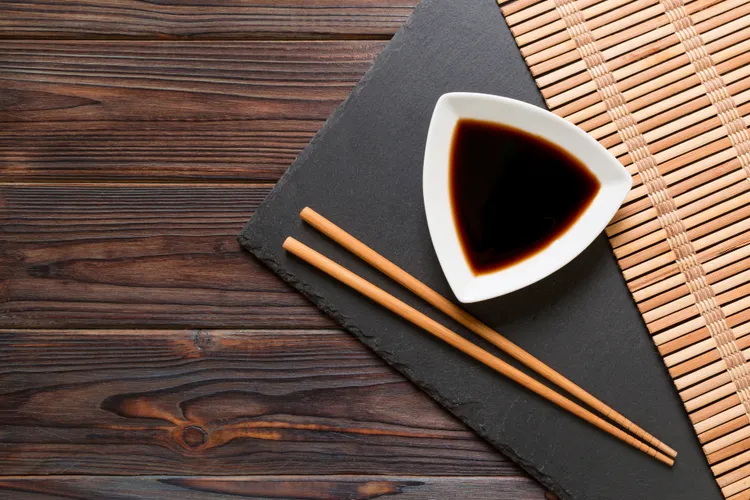
The teriyaki sauce sold in bottles in most supermarkets is sweet, gloopy and not particularly Japanese. Real teriyaki is a cooking method as much as a sauce: the word combines teri (gloss or shine) and yaki (grilled or pan-cooked). The sauce - thin, savoury, slightly sweet - is applied to meat or fish during cooking, not poured over the top at the end. The high heat caramelises the sugars and creates the characteristic lacquered surface. It takes five minutes to make and keeps in the fridge for two weeks.
The Base Sauce
Ingredients (makes about 120ml, enough for 4 servings):
- 3 tablespoons soy sauce
- 3 tablespoons mirin
- 2 tablespoons sake
- 1 tablespoon sugar
Method: Combine all ingredients in a small saucepan. Heat over medium heat, stirring until sugar dissolves. Simmer for 2-3 minutes until slightly reduced. Cool and store in a jar in the fridge. The sauce thickens further when chilled.
Adjustments: More mirin for a sweeter, glossier sauce. Less sugar for more savoury depth. A small piece of ginger or half a clove of garlic simmered in the sauce, then removed, adds a gentle aromatic note. For a thicker sauce that clings to the surface of proteins, add half a teaspoon of cornstarch dissolved in cold water and stir into the simmering sauce.
Five Ways to Use It
1. Teriyaki Chicken
The standard application. Use chicken thighs, not breast - the fat content means thighs stay moist through the high-heat caramelisation. Score the skin side deeply, cook skin-down in a dry pan over medium-high heat until crisp, flip, pour sauce over and cook until lacquered and sticky. About 320 kcal per thigh, 28g protein.
For a full teriyaki chicken recipe with rice, this teriyaki and sesame chicken covers the complete method.
2. Teriyaki Salmon
Salmon takes teriyaki well - the fat in the fish balances the sweetness of the sauce. Season salmon fillets with salt and pepper, cook skin-down in a lightly oiled pan until the flesh is opaque two-thirds of the way up, flip, add sauce and cook 1-2 minutes until glazed. Around 380 kcal per fillet with sauce, 34g protein. For a complete salmon teriyaki meal, this teriyaki glazed salmon serves it with rice.
3. Teriyaki Tofu
Press firm tofu well (at least 30 minutes under a heavy plate), cut into thick slabs, pan-fry until golden on both sides, then add sauce and cook until the tofu absorbs the glaze. The texture is crisp outside, custardy inside. Around 180 kcal per 150g serving, 12g protein.
4. Teriyaki Beef
Thinly sliced beef (ribeye or sirloin) cooked in a hot pan, sauce added at the end. Higher heat than chicken - the beef should be cooked quickly. Slice and serve over rice. About 420 kcal per serving with rice, 30g protein.
5. Teriyaki Aubergine
Halved aubergine, scored deeply, brushed with sesame oil, roasted at 200°C for 20 minutes, then sauce applied and returned to the oven for 5 more minutes. The flesh absorbs the sauce and becomes intensely savoury. Around 160 kcal per half, 4g protein. Works as a side dish or a vegetarian main over rice.
The Caramelisation Point
The defining characteristic of good teriyaki is the gloss. This requires high enough heat to caramelise the sugars in the sauce without burning. Practical rule: apply the sauce when the protein is nearly cooked, increase heat, and watch the sauce closely. It should bubble, reduce and cling within 1-2 minutes. If it burns, the heat is too high or the pan is too dry. If it stays thin and watery after 2 minutes, the heat is too low.
Storage
Teriyaki sauce keeps for 2 weeks in the fridge in a sealed jar. Make a larger batch - triple the recipe - and use it across the week. It also freezes well in ice cube trays for single-serve portions.
Teriyaki is one of the core techniques covered in the Japanese home cooking guide, alongside miso soup, donburi and simmered dishes.
Latest