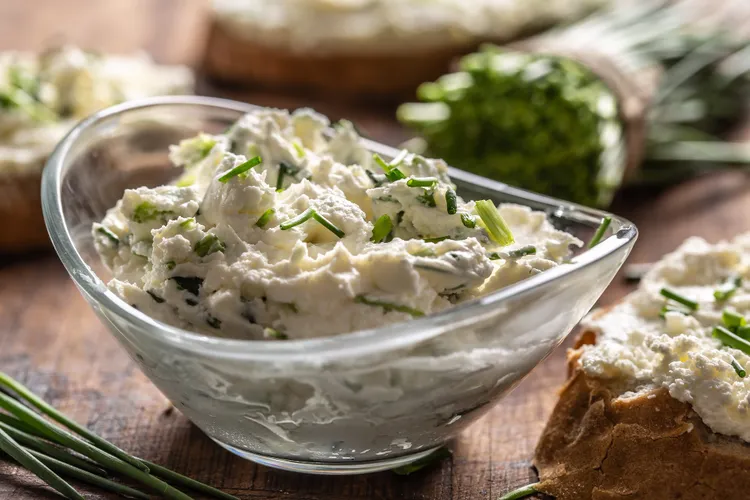
What to Serve with Whipped Feta and Ricotta (Bread, Crackers, Vegetables)
A pairing guide for whipped feta and ricotta - which breads, crackers, and vegetables hold up best against each flavor direction.
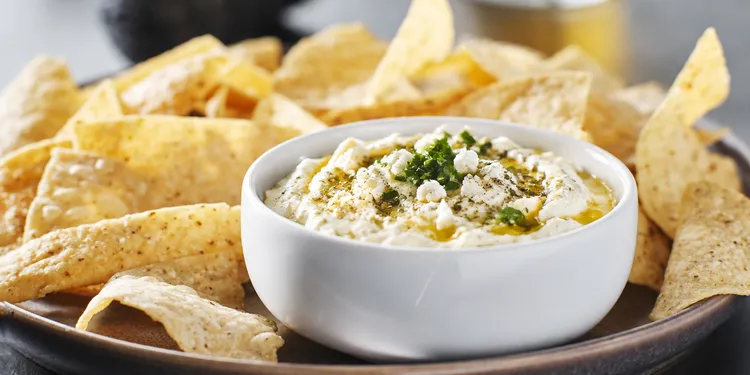
The right dipper matters more than it might seem. Something too flimsy falls apart under a thick whipped dip, and something too neutral doesn't add anything to the pairing beyond a delivery vehicle.
Bread
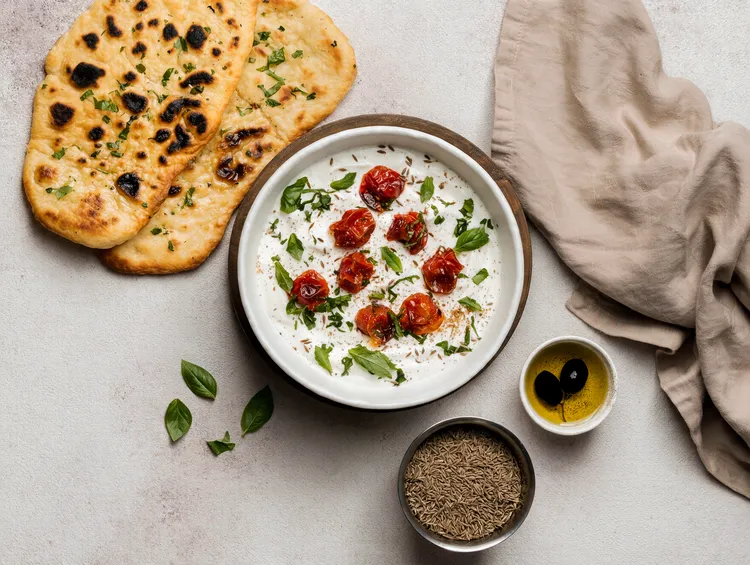
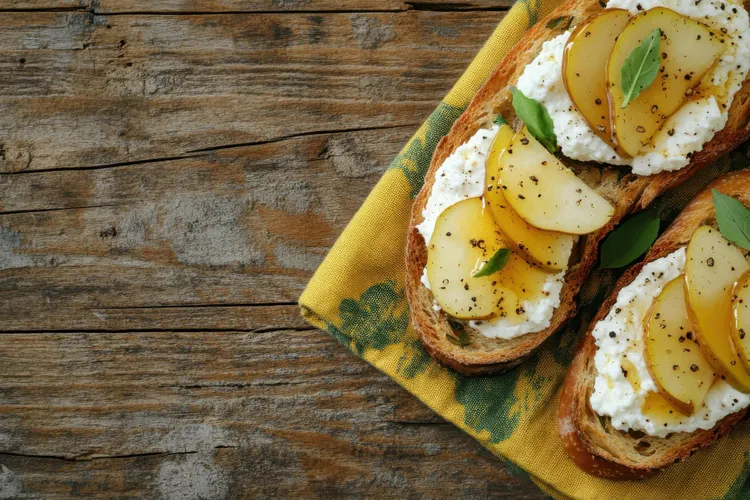
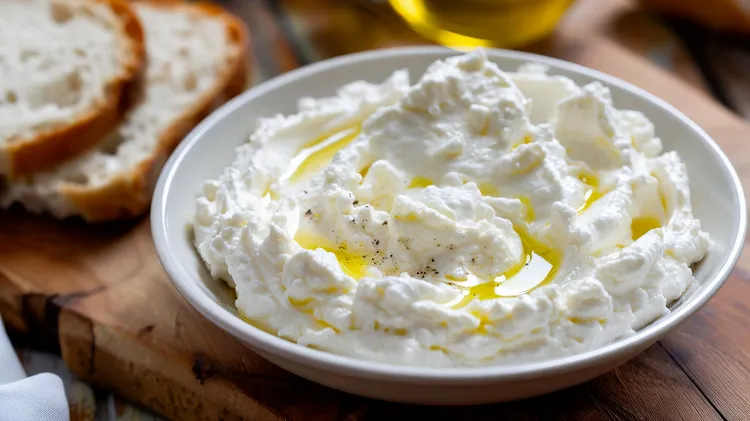
Warm pita, sliced and lightly toasted or grilled, is the most reliable all-around choice, sturdy enough to scoop a thick dip without tearing, and mild enough not to compete with any flavor direction. A torn baguette or sliced sourdough, grilled or toasted until the edges crisp up, works especially well with savory versions like blistered tomato whipped feta, where there's a bit of sauce to soak up as well as the dip itself.
Crackers
A plain, sturdy cracker, like a water cracker or a simple seeded cracker, is the better choice over anything heavily flavored, since a flavored cracker competes with rather than supports a bold dip like hot honey whipped feta. Save flavored crackers for a milder dip, like plain whipped ricotta, where there's more room for another flavor to come through.
Vegetables
Sturdy raw vegetables that can handle being dipped without breaking work best: cucumber spears, radishes halved or quartered, endive leaves (which double as a natural scoop), and bell pepper strips. Roasted or blistered vegetables, particularly asparagus, baby carrots, or broccolini, add a warmer contrast and pair especially well with a savory whipped feta.
Matching Dipper to Flavor Direction
- Hot honey whipped feta: Plain pita or a mild cracker; anything already sweet or flavored competes with the honey.
- Blistered tomato whipped feta: Grilled baguette or sourdough, sturdy enough for the extra sauce.
- Sweet whipped ricotta: Toasted brioche, graham crackers, or fresh fruit slices rather than savory crackers.
- Plain whipped ricotta: Grissini, seeded crackers, or roasted vegetables, since the mild base has room for more flavor from the dipper itself.
- Za'atar or chili crisp whipped feta: Warm pita specifically; both of these flavor directions are already Middle Eastern or Asian-leaning and pair naturally with flatbread over a Western-style cracker.
A Note on Portioning
Plan for roughly 1/4 cup of dip per person if it's one of several appetizers, or closer to 1/2 cup per person if it's the main pre-dinner offering. Pair that with 4 to 6 dipper pieces per person across bread, crackers, and vegetables combined, adjusting up for a longer cocktail-hour stretch before a meal.
Drink Pairings
A dry, crisp white wine cuts through the richness of either whipped cheese without overpowering more delicate flavor directions like plain whipped ricotta. For bolder, spicier versions like hot honey whipped feta, a beer with some carbonation and a touch of bitterness, a pilsner or a light IPA, balances well against both the sweetness and the heat. Non-alcoholic sparkling water with citrus works as a palate cleanser across virtually any version.
A Simple Shopping List by Store Section
- Dairy: Block feta, whole-milk ricotta, cream cheese or Greek yogurt
- Bakery: Pita, baguette, or sourdough
- Produce: Lemons, garlic, fresh herbs, cucumbers, radishes
- Pantry: Olive oil, honey, crackers, red pepper flakes
- Deli: Prosciutto, olives, or other cured items if building out a full board
Dietary Substitutions
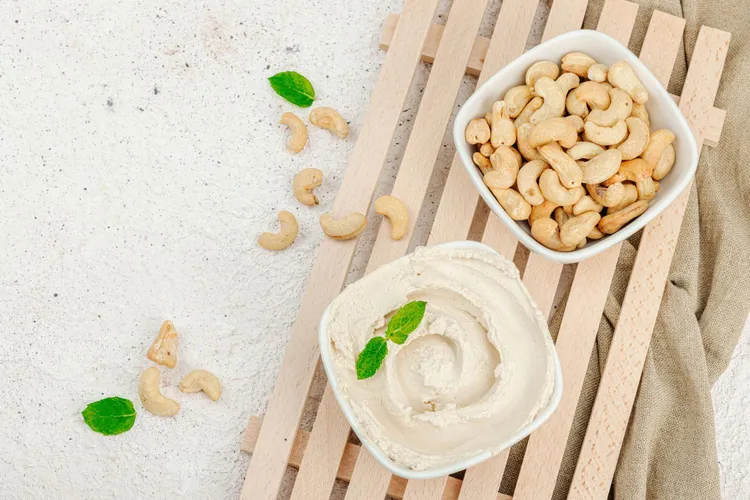
For a gluten-free spread, swap standard crackers and bread for gluten-free crackers and vegetable dippers, both of which hold up fine against either whipped cheese. For a fully dairy-free table, build the dip itself from our cashew or tofu-based alternatives rather than trying to substitute just the dippers around a dairy-based dip.
Why Texture Contrast Matters as Much as Flavor
A dip's own texture is already smooth and creamy, which means the best dippers actively contrast against that rather than doubling down on softness. A crisp cracker or a firm, raw vegetable gives the bite something to push against, while a soft, doughy bread without any crust or char just adds more softness to an already-soft dip, which reads as one-note even if the flavor itself is good. This is part of why toasting or grilling bread specifically, rather than serving it plain and soft, makes such a noticeable difference in how a spread comes across overall.
Regional and Cultural Pairing Traditions
Feta-based dips have deep roots in Mediterranean and Greek cooking, where warm pita and olives are the traditional accompaniment, a pairing that holds up well here for good reason beyond just tradition. Labneh, common across Levantine cooking, is traditionally served with warm flatbread and a drizzle of good olive oil rather than crackers at all, an approach worth borrowing even when serving feta or ricotta instead of labneh itself.
Adjusting for a Formal vs Casual Occasion
For a more formal setting, individually portioned dippers, small toasted crostini rounds, halved endive leaves, or pre-cut vegetable batons, look more intentional than a casual basket of whole pita or a full baguette left for guests to tear themselves. For a casual gathering, the opposite is true; a rustic, whole loaf or a big bowl of assorted vegetables reads as generous and unfussy in a way that feels appropriate for a relaxed setting.
What to Avoid Pairing
Very oily or greasy dippers, like plain potato chips, tend to clash with the richness already present in either whipped cheese rather than complementing it, resulting in a pairing that feels heavier than it needs to. Similarly, anything with a strong, competing flavor of its own, heavily seasoned tortilla chips or a strongly flavored flatbread, tends to fight with the dip's own flavor direction rather than supporting it.
Frequently Asked Questions
What's the single best all-purpose dipper if I can only pick one?
Warm pita. It's sturdy enough for a thick dip, mild enough not to clash with any flavor direction, and widely available at virtually any grocery store.
Should dippers be served warm or at room temperature?
Warm, wherever practical. Lightly toasting or grilling bread and pita right before serving adds both flavor and a firmer texture that holds up better against a thick, cold dip than room-temperature bread does.
How much should I budget for dippers per person?
Plan for 4 to 6 pieces per person across bread, crackers, and vegetables combined if this dip is one of several appetizers, closer to 8 to 10 pieces per person if it's the primary offering before a meal.
What's a good dipper for someone avoiding gluten and grains entirely?
Sturdy raw or roasted vegetables are the most reliable option here, since they need no substitution at all and pair well with virtually every flavor direction covered in this guide.
Testing a New Pairing Before a Party
If you're trying a dipper you haven't used before, taste it alongside a small spoonful of the specific dip variation ahead of the event rather than assuming it will work based on general logic. Some pairings that sound reasonable on paper, like a strongly flavored cracker with an already-bold dip, turn out less successful in practice than a quick test would reveal.
Rounding Out the Table With Something Crunchy
Beyond the specific dippers already covered, a small bowl of roasted, salted nuts, particularly marcona almonds or pistachios, adds a different kind of crunch that complements rather than substitutes for bread or crackers, giving the table a bit more textural variety without needing to expand the core dipper list itself.
Thinking About Color and Visual Variety on the Table
Beyond flavor and texture, it's worth considering visual variety when choosing dippers: a mix of pale bread, deep green vegetables like cucumber or endive, and something with warmer color like roasted red pepper strips makes the overall spread more visually appealing than an all-beige table of just bread and crackers.
A Final Practical Checklist
Before serving, run through a quick mental checklist: at least one sturdy bread option, one plain cracker for milder pairings, a couple of fresh or roasted vegetables, and, if the occasion calls for it, something on the sweeter side to round things out. Hitting these four categories reliably produces a well-balanced spread regardless of which specific whipped feta or ricotta variation is at the center of the table.
Trusting Your Own Taste Over Any Fixed Rule
All of the pairing guidance in this article reflects fairly reliable general patterns, but personal taste and what a specific group of guests already enjoys should ultimately take priority over any of these suggestions. If a pairing that isn't listed here already gets requested and enjoyed at your table, that's a better guide going forward than anything written in a general guide like this one.
The right dipper is ultimately in service of the dip itself, never the other way around, which is why every recommendation in this guide starts from what a specific flavor direction actually needs rather than defaulting to the same bread-and-crackers combination regardless of what's in the bowl. A little attention to this pairing consistently makes the difference between a good appetizer and one guests genuinely remember afterward, and it's a small enough adjustment that there's little reason not to make it a habit going forward.
Building a Full Spread
For a more complete approach to laying all of this out together rather than choosing one or two dippers, see our guide to building a whipped dip board, which covers layout and additional items like cured meats and fruit alongside the core bread, cracker, and vegetable pairings covered here.
Keeping a Mental Shortlist
Over time, most hosts settle into two or three go-to dippers they reach for reliably across most gatherings, warm pita and a sturdy vegetable being common defaults, with the rest of the options here serving as useful variations to reach for on the occasions that call for something a bit different. Building that shortlist through direct experience is ultimately more useful than trying to remember every option covered in a guide like this one.
Shopping the Day Of vs Ahead
Bread and fresh vegetables are best purchased as close to the event as reasonably possible, ideally within a day, to ensure they're at peak freshness and crispness when served. Crackers and other shelf-stable dippers can be picked up whenever convenient in the days leading up to the event without any noticeable loss in quality.
Considering Dipper Variety for a Longer Gathering
For a gathering that runs several hours rather than a quick hour-long get-together, it's worth having a slightly larger variety of dippers on hand than usual, since guests grazing over a longer stretch tend to appreciate more options than they would at a shorter, more focused event. Rotating in a fresh batch of toasted bread partway through a long party also helps, since bread that's been sitting out for hours loses some of its initial crispness, and a fresher batch noticeably improves the eating experience for anyone arriving later in the event, rather than leaving latecomers with whatever's gone soft and stale by that point, a small courtesy that goes a long way toward keeping the spread feeling fresh from start to finish, right through the very last guest who wanders over to the table, well after the initial rush of arrivals has already come and gone, which is exactly when a spread's quality is most likely to be judged, since a strong first impression only carries a table so far without the follow-through to match it.
Serving With Confidence
None of the guidance in this article requires a large budget or advanced technique to execute well; it mostly comes down to matching texture, flavor intensity, and freshness thoughtfully rather than defaulting to whatever's easiest to grab at the store. A little intention here goes further than most hosts expect, turning a simple whipped cheese dip into a genuinely well-rounded course rather than an afterthought tacked onto the start of a meal, worth the small extra bit of planning it asks for, especially given how directly it shapes a guest's very first impression of the meal that follows it, before a single other dish has even reached the table.
For the base recipes these pairings apply to, see our classic whipped feta and whipped ricotta recipes, or head back to the complete whipped feta and ricotta guide.
Latest