Why Whipped Feta and Ricotta Are Everywhere Right Now (The Trend, Explained)
A look at why whipped feta and ricotta have taken over the appetizer table, and how this trend fits into a longer pattern of viral, low-effort food formats.
Whipped feta and ricotta didn't come out of nowhere. Both cheeses have been whipped and served this way in restaurants for years. What changed recently is how often home cooks are choosing this format over the appetizers it's replacing, and that shift is worth actually looking at rather than just accepting it as the current thing.
What This Trend Replaced
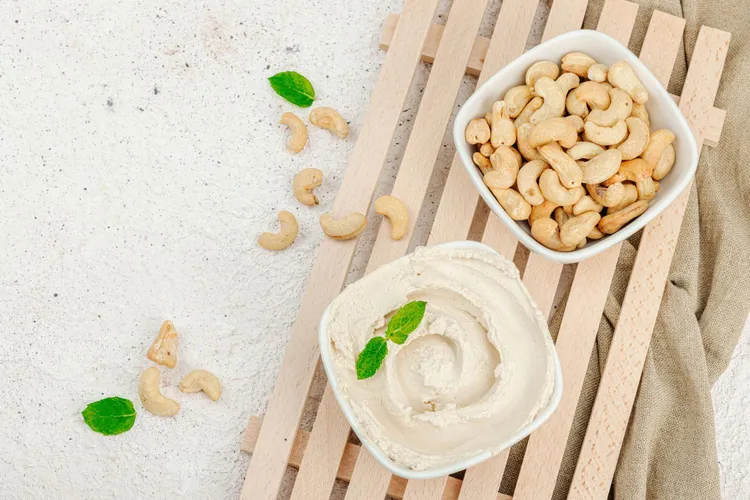
Hummus has been the default make-ahead party dip for at least a decade, reliable but, at this point, fairly unremarkable on a table full of other food. Whipped feta and ricotta occupy the exact same functional slot, a cold, spreadable dip that pairs with bread and vegetables, but arrive with more visual drama and a stronger flavor identity, which makes them feel like an upgrade rather than a like-for-like swap.
Why It Photographs So Well
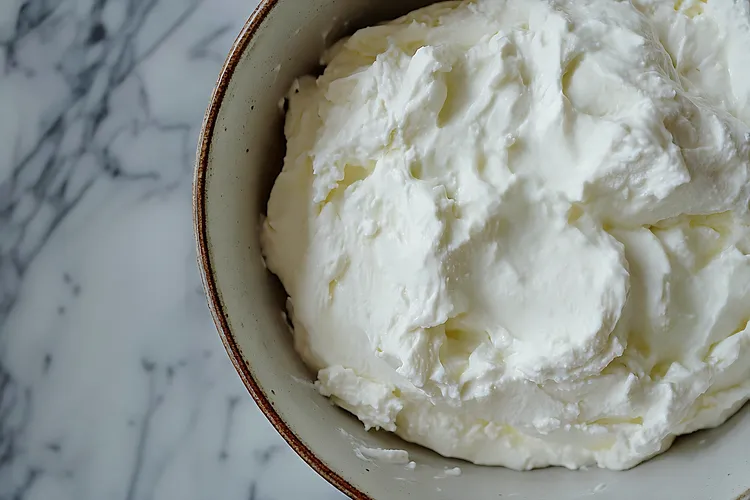
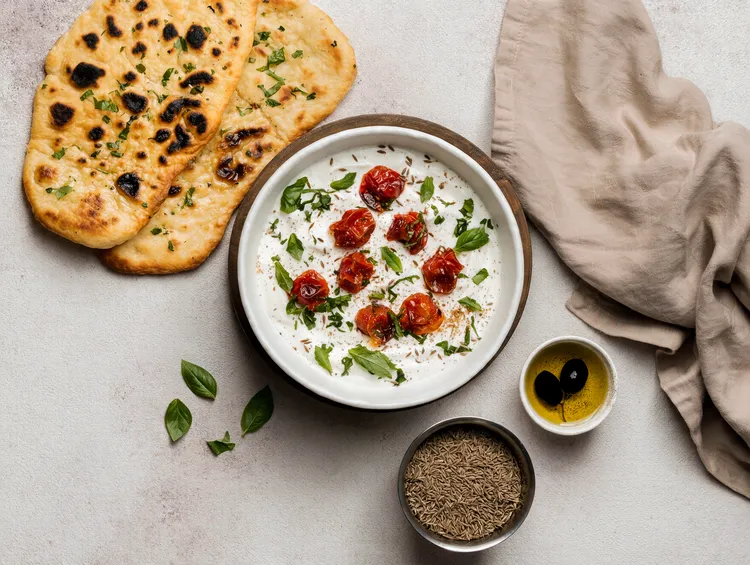
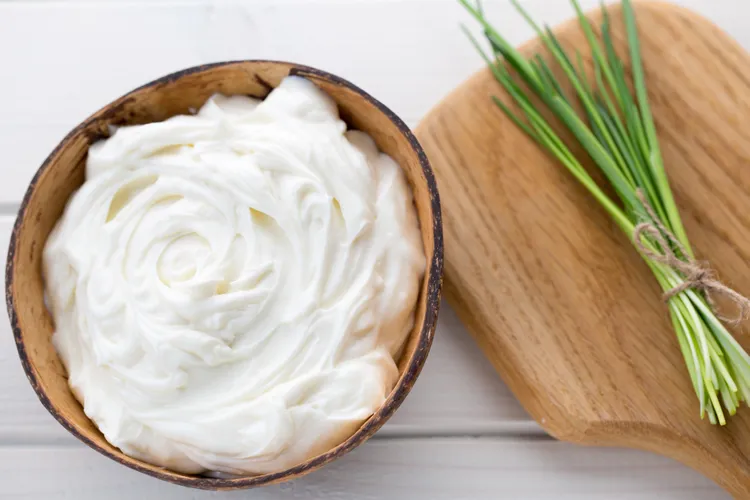
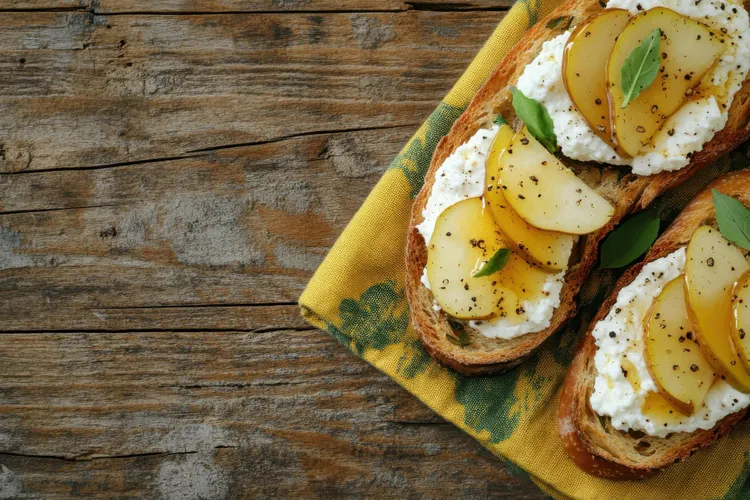
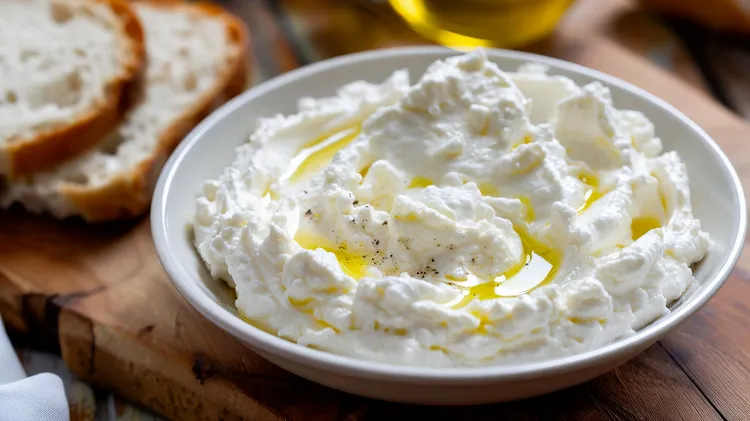
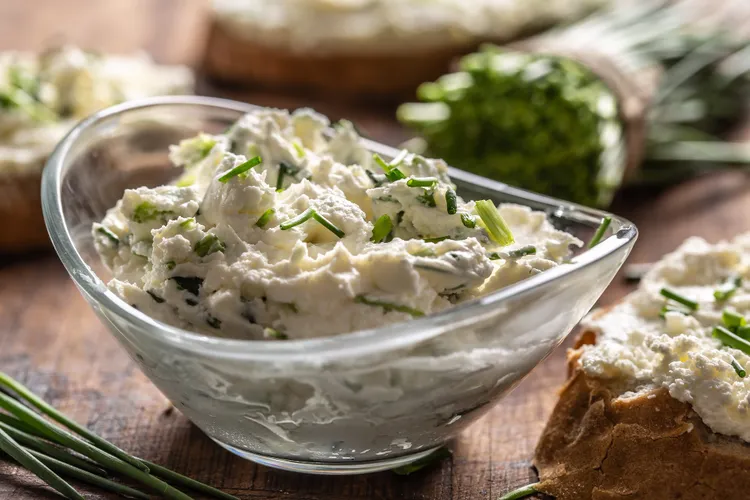
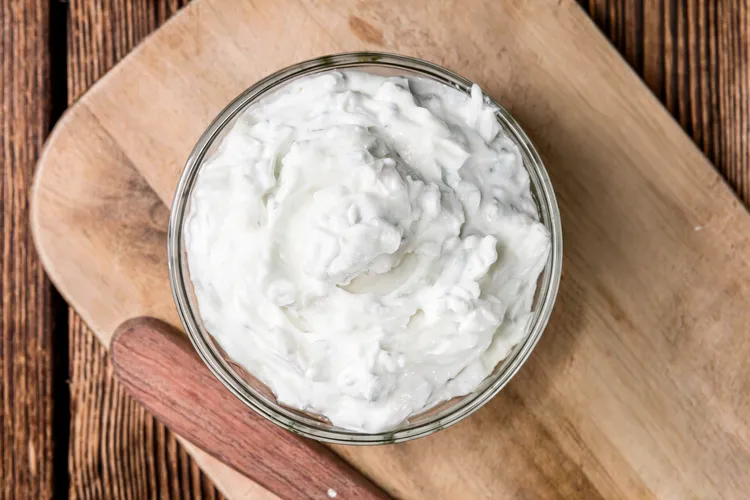
A swirled, glossy bowl of whipped feta with a honey drizzle pooling in the ridges, or blistered tomatoes bursting over a pale, creamy base, gives a strong visual payoff for very little styling effort. The swirl itself, created just by spreading the dip with the back of a spoon, does most of the visual work, which is part of why this format has spread so quickly through food content specifically built around a single, satisfying visual.
Why the Technique Is So Approachable
Unlike a lot of trending recipes that require a specific technique or hard-to-find ingredient, whipped feta and ricotta need a food processor and five ingredients most people already have, or can pick up in a single supermarket trip. That low barrier to entry is a big part of why the trend has stuck around rather than fading after a single viral moment; it's genuinely easy to replicate at home, which is not true of every food trend that gets this much attention.
How It Fits a Bigger Pattern
This isn't the first time a simple mechanical trick, whipping air into something that isn't normally whipped, has driven a food trend. Whipped coffee (dalgona) and cloud bread both followed a similar shape: an ordinary ingredient transformed mostly through aeration, producing a dramatic texture change for very little actual cooking skill. Whipped feta and ricotta are the current version of that same pattern, applied to something people already regularly buy and eat rather than a novelty ingredient.
Is It Actually Better Than the Alternatives, or Just Newer
Being honest about this: whipped feta and ricotta are genuinely good, not just novel. The technique produces a real, noticeable improvement in texture and mouthfeel over plain crumbled feta or ricotta straight from the container, and that improvement holds up regardless of how much attention the format is currently getting online. That's different from some trends that are mostly about presentation with little underlying substance; this one earns its popularity on texture and flavor, not just timing.
Where the Trend Is Likely Headed
Expect the base technique to stick around even as the specific flavor trends built on top of it change. Hot honey and blistered tomatoes are the current dominant flavors, but the underlying whip-it-smooth approach is flexible enough to keep absorbing whatever flavor direction is popular next, the same way hummus absorbed countless flavored variations over its own much longer run as a default party dip.
Social Media's Role in Spreading It
Short-form video is particularly well suited to this specific trend, since the entire transformation, from crumbly cheese to a smooth, glossy whip, happens visibly in a food processor within seconds. That kind of fast, satisfying before-and-after moment is exactly the format that performs well on video platforms, which is part of why this trend spread as quickly through home cooking content as it did, well beyond its original presence on restaurant menus.
Restaurant Version vs Home Version
Restaurants have served whipped feta and ricotta for years, often as a component of a more composed dish rather than the standalone centerpiece it's become at home. What's shifted is context: a technique that used to require going out to eat, or at least knowing a professional kitchen used it, is now something anyone can replicate with a five-dollar block of feta and a food processor already sitting on the counter. That shift from professional-only to easily replicable at home is a large part of any food trend's staying power, and it applies clearly here.
Why This One Might Outlast Most Food Trends
Many viral food trends fade once the novelty wears off, particularly ones built mostly around a single striking visual with little underlying substance once you actually taste the result. Whipped feta and ricotta are less likely to follow that pattern because the technique produces a genuine, repeatable improvement over how these cheeses are more commonly eaten, and because it's flexible enough to keep absorbing new flavor directions rather than being tied to one specific recipe. Hummus is the closest historical comparison: it became a default rather than a passing trend precisely because the format kept adapting to whatever flavor was popular at the time, and whipped feta and ricotta appear to be following the same path.
What This Trend Says About Current Food Culture More Broadly
The popularity of whipped feta and ricotta reflects a broader shift toward food that photographs well and requires minimal active cooking skill, without necessarily sacrificing genuine flavor or quality in the process. That combination, low effort, high visual payoff, real substance, is increasingly what drives a recipe's spread through home cooking more than pure novelty or complexity ever did. Compare this to a decade or two ago, when trending recipes often leaned toward complicated, multi-step techniques as a mark of ambition; the current pattern favors approachability just as strongly as it favors an appealing result.
How Long Food Trends Like This Typically Last
Looking at similar recent examples, whipped coffee peaked and faded within roughly a year, while cloud bread had an even shorter, more novelty-driven run given its underwhelming flavor once the visual appeal wore off. Trends built around genuinely useful, repeatable techniques rather than pure visual novelty, which whipped feta and ricotta arguably are, tend to settle into being a recognized, ongoing category rather than disappearing entirely, more similar to how baked feta pasta became a lasting recipe in many households well after its initial viral peak passed.
What Sets This Apart From a Purely Novelty Trend
Unlike some viral formats that rely on an unusual or gimmicky presentation with little bearing on how the food actually tastes, whipped feta and ricotta improve on something people were already regularly eating, plain crumbled feta or ricotta straight from a container, in a way that holds up under normal, repeated scrutiny rather than just a single dramatic reveal. That distinction, a real improvement versus a passing gimmick, is a reasonable way to predict which food trends tend to stick around as an ongoing category rather than fading within a single season.
How This Compares to Other Current Whipped or Aerated Trends
Around the same period this trend gained traction, other aerated or "fluffy" food formats, whipped cottage cheese, whipped butter boards, cloud-style pancakes, saw similar surges in attention, suggesting the underlying appeal of texture transformation through aeration is having a broader moment across several ingredients at once rather than being unique to feta and ricotta specifically. Whipped feta and ricotta appear to be the most durable of this current cluster, given how naturally they fit into existing appetizer and entertaining formats rather than requiring an entirely new occasion or context to make sense.
Frequently Asked Questions
Did whipped feta or whipped ricotta come first?
Both have independent histories in professional kitchens going back well before either became a home cooking trend, so there isn't a clean answer to which came first; they've simply become far more visible as a home recipe within the same recent stretch of time.
Is this trend likely to fade soon?
The underlying technique, whipping a soft cheese with a food processor, is durable and genuinely useful regardless of trend cycles, even if the specific flavor directions currently popular (hot honey, blistered tomatoes) eventually give way to something else.
What's the next likely trend in this same category?
Given the pattern of whipped coffee, cloud bread, and now whipped cheese dips, the next version is likely to apply the same basic aeration trick to another ordinary ingredient people already have on hand, rather than introducing a completely new technique.
Should I bother trying this if I'm generally skeptical of food trends?
Given how quick and low-risk the technique is, five minutes and a couple of ingredients most kitchens already have, it's a reasonable one to try even with general trend skepticism, since there's very little lost if it doesn't become a regular habit afterward.
Whether or not the specific labels "whipped feta" and "whipped ricotta" remain in common use a few years from now, the underlying technique they popularized is likely to stick around in some form, since it solves a genuine, ordinary kitchen problem, turning a decent but unremarkable cheese into something noticeably better, in a way that's simple enough for almost anyone to replicate on the first try.
What Home Cooks Can Take Away From This
Beyond the specific recipes in this guide, the broader lesson worth taking from this particular trend is that a simple mechanical technique, applied thoughtfully to an ingredient already sitting in most kitchens, can produce results that feel disproportionately impressive relative to the actual effort involved. That principle extends well past feta and ricotta specifically, and it's worth keeping in mind the next time an ordinary ingredient seems like it's due for a similar transformation.
A Realistic Expectation Going Forward
Expect to keep seeing whipped feta and ricotta on menus and in home kitchens for a good while longer, even as the specific flavor pairings currently dominating feeds and social platforms eventually shift toward whatever comes next. The base technique has already proven durable enough to outlast its original viral moment, which is a reasonable signal that it's earned a lasting place in regular cooking rather than remaining a passing trend.
Trends come and go quickly in food media, but the ones that last tend to share a common thread: they teach a real, transferable skill rather than just producing a single, disposable result. Whipping a soft cheese is exactly that kind of skill, applicable well beyond feta and ricotta specifically, which is the strongest reason to expect this one to have real staying power rather than fading the way so many single-recipe trends eventually do.
One Last Thing Worth Remembering
Regardless of where this specific trend lands over the next few years, the actual recipes covered across this guide remain genuinely useful on their own terms, independent of whatever attention they're currently getting online. That's ultimately a better reason to make them than any trend cycle, and it's worth returning to the classic whipped feta or whipped ricotta recipes on their own merits long after this particular moment has passed.
Where to Go From Here
For anyone convinced enough by this explanation to actually try the technique, the most direct next step is simply making a batch of either base recipe this week rather than waiting for a specific occasion to justify it. Five minutes, a food processor, and a block of cheese already sitting in most refrigerators is genuinely all it takes to see what the current attention around this format is actually about, and there's a reasonable chance it earns a permanent spot in your own regular rotation the same way it has for so many others over the past year, well beyond whatever comes next in food media.
Trying It Yourself
If you haven't made either version yet, start with the classic whipped feta base recipe or the whipped ricotta base recipe, both of which take about five to ten minutes and use ingredients most kitchens already have on hand. For the full range of variations once you've got the base technique down, see our complete whipped feta and ricotta guide.
Latest