The Science of Starch: Why Potatoes Turn Gummy, Waterlogged, or Grey
Starch gelatinization, cell rupture, and the technique fixes for each common texture failure.
Nearly every potato texture failure, gluey mash, mushy boiled potatoes, grey discoloration, traces back to starch doing something predictable once you understand the underlying mechanism.
Gelatinization: The Core Reaction
Raw potato starch exists as tightly packed granules inside the potato's cells. Heat and moisture cause these granules to absorb water and swell dramatically, a process called gelatinization, which is what transforms a hard raw potato into a tender cooked one. This reaction happens gradually as temperature rises through roughly 140-180°F, which is why a potato cooked too quickly at very high heat can end up overcooked at the surface while still starchy and raw at the center; the outside gelatinizes and even breaks down before the heat fully penetrates.
Why Mash Turns Gluey
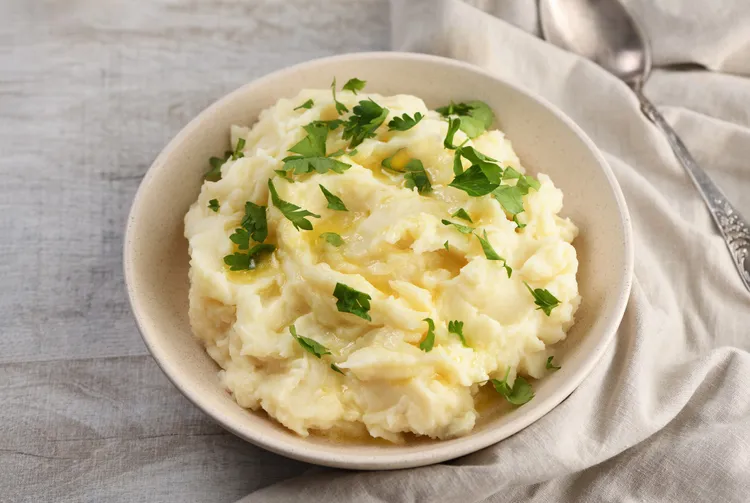
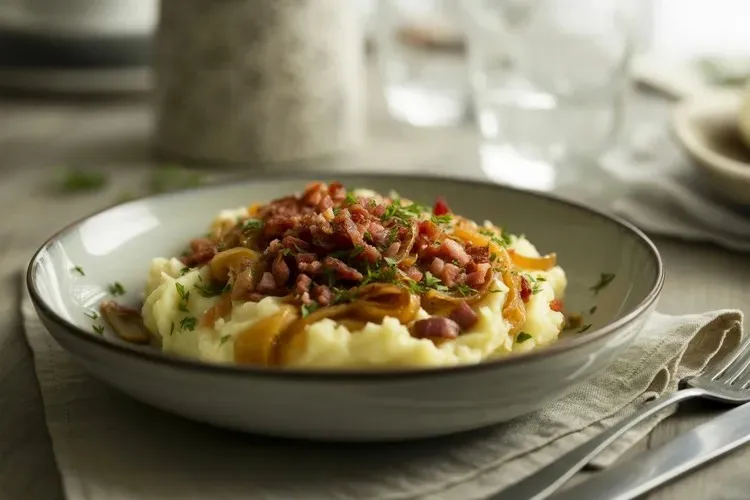
Once starch has gelatinized, the granules are swollen, fragile, and easily ruptured by mechanical force. Aggressive mashing, and especially a food processor, applies exactly that force, rupturing large numbers of granules and releasing free starch (specifically amylose) into the mixture. That free starch is what creates a gluey, paste-like texture, essentially the same chemistry that makes a roux or a starch-thickened sauce viscous, just happening inside your mashed potatoes instead of a saucepan.
The fix is mechanical: use a ricer or a food mill, both of which press potato through small holes with minimal shearing force, rather than a masher or processor that crushes and shears the cells directly. Working quickly and mashing only until just combined also limits how much rupture occurs.
Why Boiled Potatoes Turn Waterlogged or Fall Apart
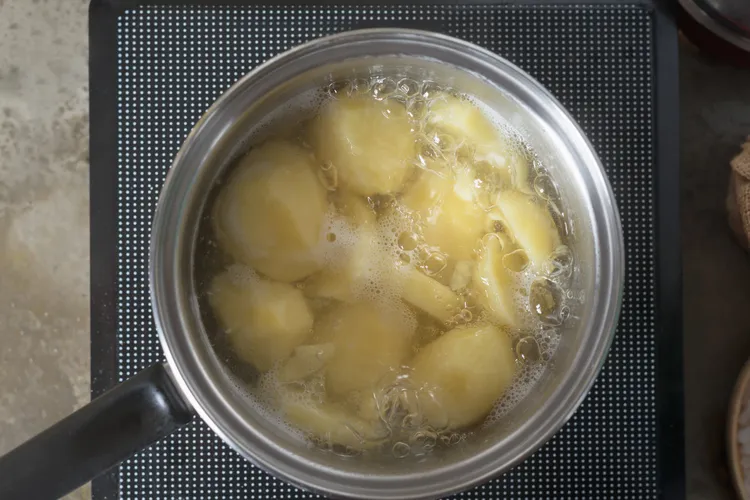
Starting potatoes in already-boiling water means the outer layers gelatinize and begin to soften well before heat penetrates to the center. By the time the center is done, the exterior has often overcooked, absorbed excess water, and started to break down at the edges, leaving a waterlogged, mushy exterior around an interior that only just finished cooking. Starting potatoes in cold water and bringing both up to a boil together lets the temperature rise more evenly through the whole piece, so the exterior and interior finish closer to the same time.
Why Cut Potatoes Turn Grey
Grey or blue-grey discoloration, in both raw and cooked potatoes, comes from a chemical reaction between iron naturally present in the potato and chlorogenic acid, a compound also naturally present. This reaction is accelerated by cooking in reactive cookware, particularly aluminum or uncoated cast iron, and by cut potatoes sitting exposed to air for an extended period before cooking. Using stainless steel or enamel-coated cookware, and cooking cut potatoes reasonably promptly (or holding them submerged in water if there's a delay), both reduce the effect.
Retrogradation: What Happens on Cooling
As gelatinized starch cools, some of it recrystallizes into a different structure, a process called retrogradation. This is why day-old roasted or boiled potatoes feel noticeably firmer than they did fresh from the pan, and it's also the mechanism behind resistant starch formation, covered in more detail in Potato Nutrition Facts. For the practical technique that puts all of this into practice, see Creamy Mashed Potatoes Without the Gluey Texture.
Latest