Balkan Breakfast: What People Actually Eat in the Morning in the Balkans
Balkan breakfast is not cereal and a glass of juice. It's bread, white cheese, olives, tomatoes, eggs, and often leftover pastry from the day before - a spread built for sustained energy rather than speed. Here's what's actually on the table and how the macros stack up.
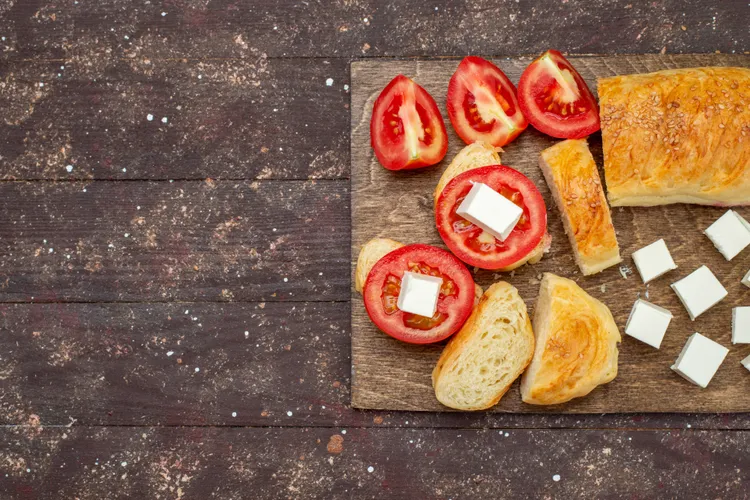
There's no coffee-and-toast minimalism in Balkan morning culture. Breakfast in Serbia, Bulgaria, Bosnia, and their neighbours is a meal - a spread of items laid out on the table, eaten slowly with strong coffee. It's high in protein and fat from the dairy and eggs, moderate in carbohydrates from the bread, and almost entirely free of added sugar.
Understanding Balkan breakfast also helps explain the broader cuisine. The same ingredients that appear at breakfast - cheese, eggs, peppers, bread - reappear in different forms throughout the day.
The Classic Spread
The default home breakfast across most of the region looks something like this:
- Bread: White, dense, and crusty - either homemade (pogača) or bought. The bread is the base that everything else is eaten with.
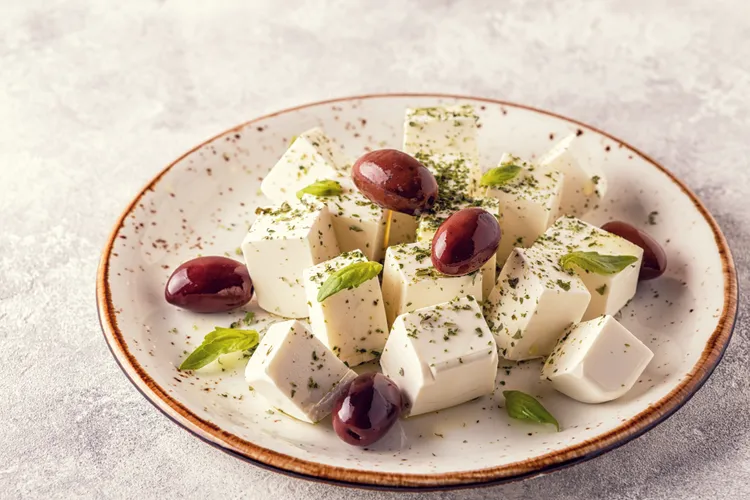
- White brined cheese: A slab of sirene, bijeli sir, or similar. Eaten in chunks, spread with ajvar, or crumbled over tomatoes.
- Tomatoes: Sliced, salted, with a drizzle of oil. Seasonal tomatoes in summer; acceptable only in the loosest sense in January.
- Olives: Small, brined, slightly bitter. A handful on the side.
- Kajmak or sour cream: Spread on bread. Not every household, but common.
- Eggs: Scrambled, fried, or in an omelet. Optional but frequent.
Macros for the Classic Spread
Per person, standard home breakfast (2 slices bread, 60g cheese, 1 tomato, 10 olives, no eggs):
- Calories: ~450 kcal
- Protein: ~18g
- Carbohydrates: ~42g
- Fat: ~22g
Add 2 scrambled eggs and the protein rises to approximately 30g with about 120 kcal additional.
Burek: The Bakery Option
The grab-and-go Balkan breakfast is burek - a slice of layered filo pastry with meat, cheese, or spinach filling, bought hot from a pekara (bakery) on the way to work. Eaten with a cold glass of ayran or kefir.
A standard meat burek slice runs about 460 kcal with 20g protein. It's a substantial breakfast by any measure. For the full recipe and all three filling options, see our burek guide.
Eggs at Breakfast
Eggs appear at Balkan breakfasts in several forms. The most common home-cook versions:
Scrambled eggs with peppers: Eggs beaten with chopped fresh or ajvar-marinated peppers, cooked in butter or oil. Simple, high-protein, uses whatever is in the fridge.
For a quick weekday version, a feta and spinach omelet is close to what you'd find on a Balkan breakfast table - eggs, white cheese, and a herb or vegetable filling. The egg, spinach and bacon muffins also batch-cook well for a week of grab-and-go Balkan-inspired breakfasts.
Regional Variations
Bulgaria: Banitsa (a close relative of burek) is the Bulgarian bakery staple - filo pastry with eggs and white cheese. Often eaten with boza, a mildly fermented grain drink, or plain yogurt.
Bosnia: Uštipci - small fried dough balls served with cheese or jam. Weekend breakfast food, not daily, but impossible to resist when they're on the table.
Serbia: The spread described above, with the addition of proja - cornbread made with feta, sometimes eaten for breakfast in rural areas.
North Macedonia: Similar spread to Serbia, with strong influence from Turkish breakfast culture - more olives, more varieties of cheese, sometimes small dishes of honey and kaymak.
Coffee
Balkan coffee is Turkish-style: finely ground, simmered in a small copper pot called a džezva, and poured into a small cup with the grounds still in it. It's drunk slowly, without milk, usually after the food rather than alongside it. The ritual of drinking coffee is treated as its own activity, separate from eating.
Fitting Balkan Breakfast Into Your Routine
The key elements are white cheese, good bread, and ripe tomatoes. These three things require no cooking and produce a genuinely satisfying breakfast with reasonable macros. Add eggs when you have time. Add ajvar from the fridge for flavour. The spread doesn't need to be elaborate - three or four items on a plate is enough.
For more on how breakfast fits into a full week of Balkan meals, see the Balkan budget meal plan and the Balkans table guide.
Latest