Burek: Everything You Need to Know About the Balkans' Favourite Pastry
Burek is the layered filo pastry that anchors breakfast tables and bakery windows from Sarajevo to Belgrade. Filled with meat, cheese, or spinach, it's crisp, rich, and more filling than it looks - here's how to make it at home and what the macros actually say.
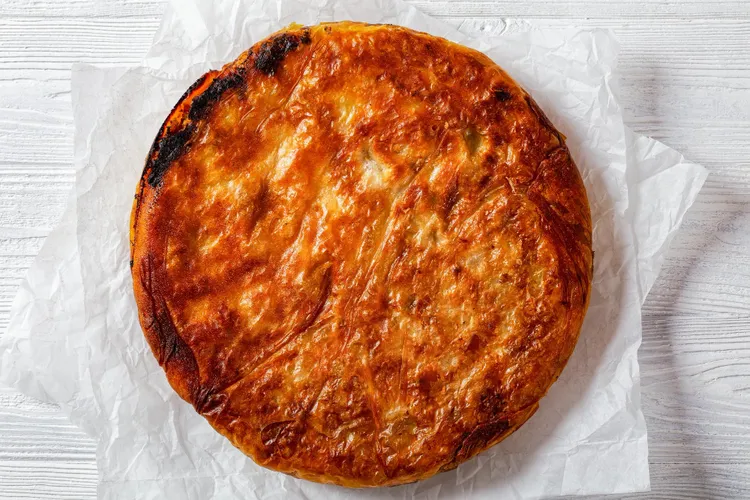
At 7am in any Balkan city, the line at the burek bakery is out the door. A slice of still-hot burek and a glass of kefir or ayran (soured milk) is breakfast for a significant portion of the population. It sounds like a modest morning meal - pastry and milk - but a single meat burek slice runs close to 500 kcal and 20g protein, which is not a small breakfast by anyone's measure.
What Makes Burek Burek
Burek is made from yufka or filo dough - paper-thin pastry sheets layered with fat (traditionally rendered fat, but butter or oil work at home) and a filling, then baked until golden and shatteringly crisp. The defining characteristic is the layering: a properly made burek has dozens of distinct pastry layers with filling distributed between them, not just a pastry shell with filling inside.
There's a regional naming debate worth knowing: in Bosnia, burek specifically means the meat-filled version. A cheese-filled version is called sirnica. Spinach-filled is zeljanica. In Serbia and elsewhere, all versions are called burek. For simplicity, this guide covers all three fillings under the burek label.
The Three Fillings
Meat Burek (Bosanski Burek)
Minced beef or pork (or a mix), diced onion, salt, pepper, a little oil. The filling is raw when it goes into the pastry - it cooks through in the oven. Season assertively because the pastry absorbs a lot of the salt.
Cheese Burek (Sirnica)
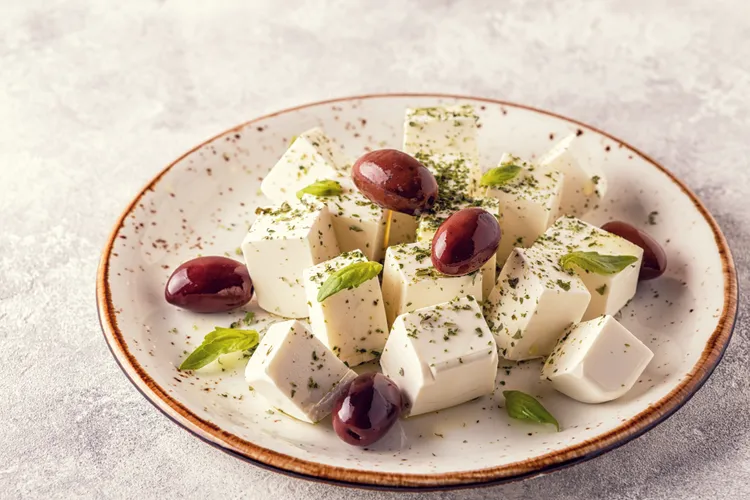
White brined cheese (sirene/feta) crumbled or grated and mixed with whole eggs. The egg binds the filling and adds richness. Some recipes add a handful of fresh dill.
Spinach Burek (Zeljanica)
Wilted and squeezed spinach, white cheese, and eggs. The spinach must be squeezed very dry or the pastry becomes soggy. Slightly lower in calories than the meat version, higher in the cheese version.
Home Recipe (Meat Burek, serves 6)
Ingredients
- 500g filo/yufka pastry sheets
- 400g minced beef or pork
- 1 large onion, finely diced
- 3 tbsp sunflower oil (plus extra for brushing)
- Salt and black pepper
- 1 egg + 100ml yogurt (for topping)
Method
- Mix raw minced meat with onion, salt, pepper, and 1 tbsp oil.
- Brush a 30cm round baking tin with oil. Layer 2 sheets of filo, brush with oil, add a thin layer of meat filling. Repeat until filling is used, finishing with 2-3 plain pastry layers brushed generously with oil.
- Score the top lightly with a knife. Whisk egg with yogurt and pour over the top.
- Bake at 200°C for 35-40 minutes until deep golden and crisp.
- Cover with a damp cloth for 5 minutes after removing from the oven - this keeps the pastry from shattering when cut.
Macro Breakdown
Per slice (1/6 of a 30cm burek, meat filling, approx. 180g):
- Calories: ~460 kcal
- Protein: ~20g
- Carbohydrates: ~36g
- Fat: ~25g
Cheese version is slightly higher in calories (~490 kcal) due to fat in the cheese. Spinach version runs slightly lighter (~400 kcal) if you reduce the cheese quantity. All estimates based on standard filo pastry and the filling ratios above.
Lightening It Up
Replacing half the oil with a light spray reduces fat meaningfully. Using lean mince (5% fat) drops another 50-80 kcal per slice. For the cheese version, a 50/50 split of full-fat feta and low-fat cottage cheese cuts fat while maintaining a reasonable texture. None of these produce traditional burek, but they're practical adjustments for everyday cooking.
Where Burek Fits
Burek is breakfast food in the Balkans, but it works equally well as a lunch or light dinner. A slice with a shopska salad or a bowl of tarator is a complete meal. For a broader picture of Balkan cooking, the Balkans table guide covers all the essential dishes.
Latest