Black Garlic in Asian Cooking: Techniques and Recipes
Black garlic has deep roots in Korean and Japanese cooking, and turns up in Chinese braising liquids and Southeast Asian sauces. This article covers the techniques behind how it's used across these cuisines, with three recipes: a Korean black garlic marinade, a Japanese-style dipping sauce, and a Chinese black garlic braised chicken.
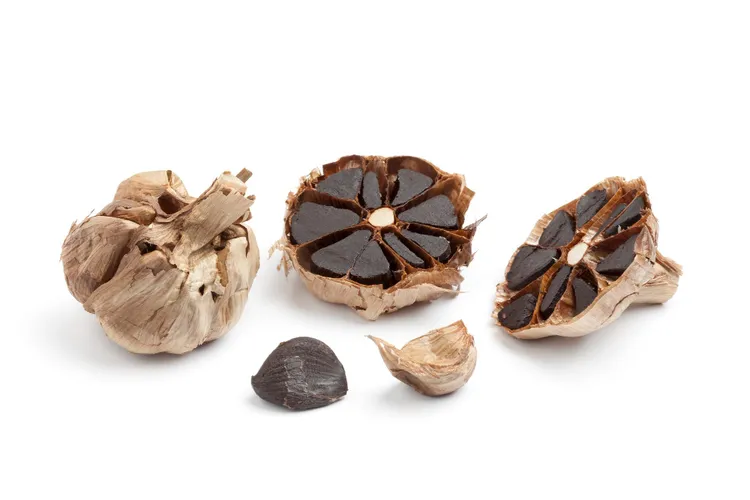
Black garlic is believed to have originated in Korea, where it remains most deeply embedded in the culinary culture. But its applications across East and Southeast Asian cooking are varied and instructive - each tradition uses the ingredient differently, and understanding those differences gives you a wider toolkit.
Black Garlic in Korean Cooking
Korea produces some of the world's best black garlic - the Namhae and South Jeolla regions are particularly known for it. In Korean cuisine, black garlic is used in marinades for grilled meats (especially galbi and bulgogi variations), in dipping sauces alongside doenjang (fermented soybean paste), and increasingly in modern Korean dishes as a flavor amplifier. The sweetness of black garlic plays well with Korean flavors: gochujang's heat, sesame oil's nuttiness, and the fermented depth of doenjang.
Recipe 1: Korean Black Garlic Marinade (Galbi-Inspired)
This works on beef short ribs, chicken thighs, or pork belly. Marinate overnight for best results.
Ingredients (marinates 600-800g of protein)
- 6-8 cloves black garlic, mashed to paste
- 3 tbsp soy sauce
- 2 tbsp mirin
- 1 tbsp sesame oil
- 1 tbsp brown sugar or honey
- 1 Asian pear or 1/2 kiwi, grated (natural tenderizer - enzymes break down protein)
- 2 spring onions, sliced
- 1 tsp gochugaru (Korean chili flakes) - optional
- 1 tsp freshly grated ginger
Instructions
- Combine all ingredients. Mash black garlic fully into the marinade - no chunks.
- Add protein. Massage marinade in thoroughly.
- Refrigerate for minimum 4 hours, ideally overnight.
- Grill over high heat or broil/bake at high temperature. The sugar and pear create significant caramelization - watch for burning at the edges.
Black Garlic in Japanese Cooking
In Japan, black garlic is most closely associated with ramen - specifically the mayu (black garlic oil) used in Hakata-style tonkotsu ramen, and also as an ingredient in various tares (seasoning sauces). Beyond ramen, Japanese chefs use black garlic in ponzu-style sauces and as a topping for yakitori. The Japanese approach tends toward restraint - black garlic as a background depth rather than a featured flavor.
Recipe 2: Black Garlic Ponzu-Style Dipping Sauce
Works as a dipping sauce for gyoza, tempura, grilled fish, or as a dressing for sashimi salads.
Ingredients (serves 4 as a dipping sauce)
- 3 cloves black garlic, mashed
- 3 tbsp soy sauce
- 2 tbsp yuzu juice or lemon juice
- 1 tbsp mirin
- 1 tsp rice wine vinegar
- 1/2 tsp sesame oil
- 1 tsp toasted sesame seeds
Instructions
- Whisk all ingredients together until black garlic paste is fully incorporated.
- Taste and adjust acidity with more lemon, saltiness with more soy.
- Rest for 15 minutes before serving.
Black Garlic in Chinese Cooking
Chinese uses for black garlic are more diffuse - it appears in Sichuan-influenced braising sauces, in some dim sum kitchen applications as a sweetener-replacement, and in modern Chinese fusion cooking. Its role in classical Chinese cuisine is less defined than in Korean or Japanese traditions, but it integrates naturally into the flavor profile of braised dishes that already use dark soy, oyster sauce, and star anise.
Recipe 3: Black Garlic Braised Chicken
A riff on red-braised chicken (hong shao ji) using black garlic as a key seasoning.
Ingredients (serves 4)
- 800g bone-in chicken pieces
- 6-8 cloves black garlic
- 2 tbsp dark soy sauce
- 1 tbsp light soy sauce
- 2 tbsp Shaoxing wine
- 1 tbsp oyster sauce
- 1 tsp five spice powder
- 2 star anise
- 1 tbsp rock sugar or brown sugar
- 250ml chicken stock
- Neutral oil for browning
- Spring onions and sesame seeds to garnish
Instructions
- Brown chicken pieces in a hot wok or pan with a small amount of oil until deeply colored on all sides. Remove and set aside.
- In the same pan, add black garlic cloves whole and cook 1 minute.
- Add Shaoxing wine and deglaze, scraping up any browned bits.
- Add remaining sauce ingredients and stock. Return chicken to pan.
- Bring to a simmer, cover, and braise on low heat for 30-35 minutes until chicken is cooked through and tender.
- Uncover for the final 10 minutes to reduce and thicken the sauce.
- Garnish and serve with steamed rice.
Nutrition per serving, braised chicken (estimate)
- Calories: ~380 kcal
- Protein: ~32g
- Carbohydrates: ~12g
- Fat: ~22g
Applying These Techniques More Broadly
The common thread across these three cuisines is that black garlic is used to add sweetness and umami without dominating - it supports and deepens rather than overriding the dish's other flavor notes. That principle applies beyond Asian cooking: any sauce or marinade where you want depth without sharpness is a candidate. For a full map of black garlic applications across all cooking styles, the complete black garlic guide covers everything.
Latest