Brazilian Vinagrete: The Fresh Salsa You Need for Your Next BBQ
Brazilian vinagrete is the bright, tangy condiment served at every churrasco - finely diced tomato, onion, bell pepper, and parsley in red wine vinegar and olive oil. It takes 10 minutes to make and improves after 30 minutes in the fridge.
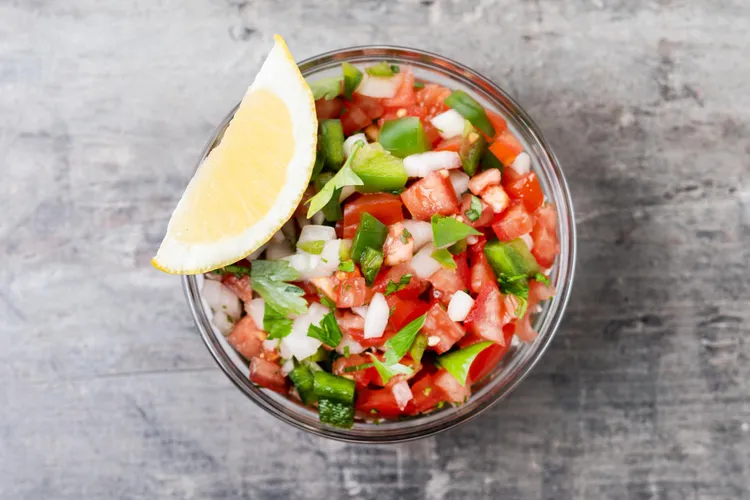
Vinagrete sits somewhere between a salsa and a French vinaigrette - technically closer to the latter in name, but eaten like the former. The key is the fine dice. Everything should be cut small enough to fit on a fork with a bite of meat, not chunked like a pico de gallo.
Ingredients (serves 6)
- 3 medium ripe tomatoes, seeded and finely diced
- 1 medium white onion, finely diced
- 1/2 green bell pepper, finely diced
- 1/2 red bell pepper, finely diced
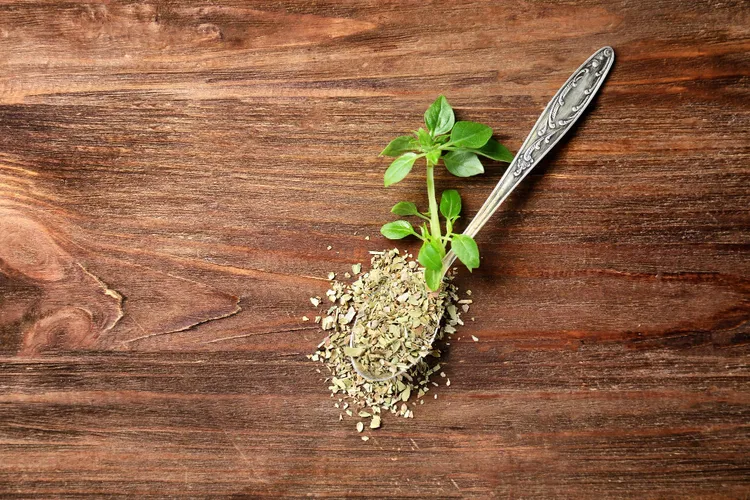
- 3 tbsp flat-leaf parsley, finely chopped
- 3 tbsp red wine vinegar
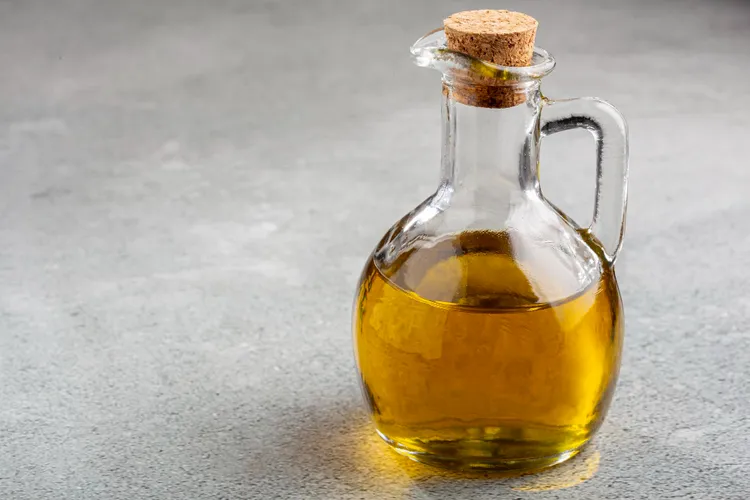
- 3 tbsp extra-virgin olive oil
- 1/2 tsp salt
- Black pepper to taste
Instructions
- Seed the tomatoes before dicing - cut in half, scoop out seeds and gel with a spoon, then dice finely. Unseeded tomatoes make the vinagrete watery.
- Dice onion and bell peppers to roughly the same size as the tomato - about 5mm cubes.
- Combine all vegetables and parsley in a bowl.
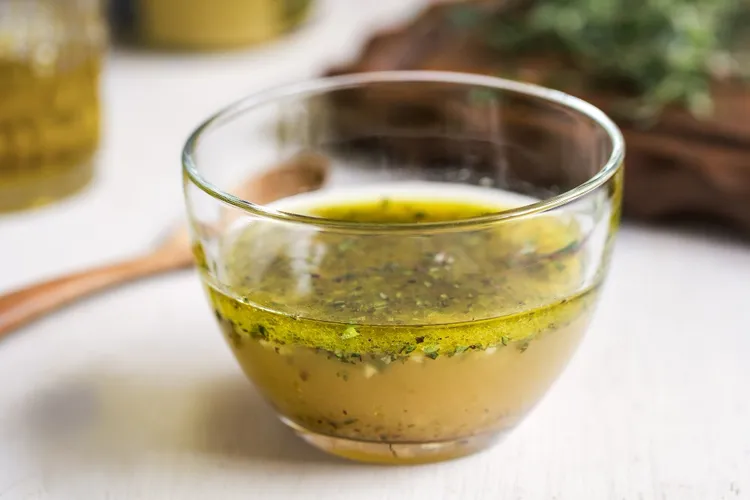
- Add red wine vinegar and olive oil. Season with salt and pepper.
- Toss gently and taste. The vinegar should be forward but not sharp - add a pinch of sugar if it's too acidic for your tomatoes.
- Refrigerate for at least 30 minutes before serving. One hour is better.
Regional Variations
In Bahia and northeastern Brazil, vinagrete often includes finely diced cucumber and sometimes a fresh chile (malagueta or dedo-de-moça). In Rio, it's simpler - just tomato, onion, and parsley. The version above is the most widely used across the country.
Some cooks add a teaspoon of Dijon mustard to the dressing, which helps emulsify the oil and vinegar and adds a subtle background note.
What to Serve It With
Vinagrete goes on everything at a Brazilian churrasco: grilled beef, chicken, pork sausages, rice and beans. Spoon it over pan-roasted chicken thighs or over baked salmon for a lighter meal. It also works stuffed into a bread roll with grilled linguiça sausage - the acidity cuts the fat perfectly.
Nutrition (per 1/4 cup serving)
- Calories: ~35 kcal
- Protein: 1g
- Carbs: 4g
- Fat: 2g
Storage
Best eaten the day it's made. After 24 hours in the fridge the tomatoes soften and release more liquid, making it watery. If making ahead, keep the diced vegetables separate from the dressing and combine two hours before serving.
Meal Prep Notes
Vinagrete doesn't store well enough for weekly prep, but it's fast enough (10 minutes) that making it fresh isn't a burden. Prep the vegetables the night before, store undressed, and add the vinegar and oil an hour before the meal. For more South American BBQ condiments including chimichurri and pebre, see our complete guide to South American condiments and cooking.
Latest