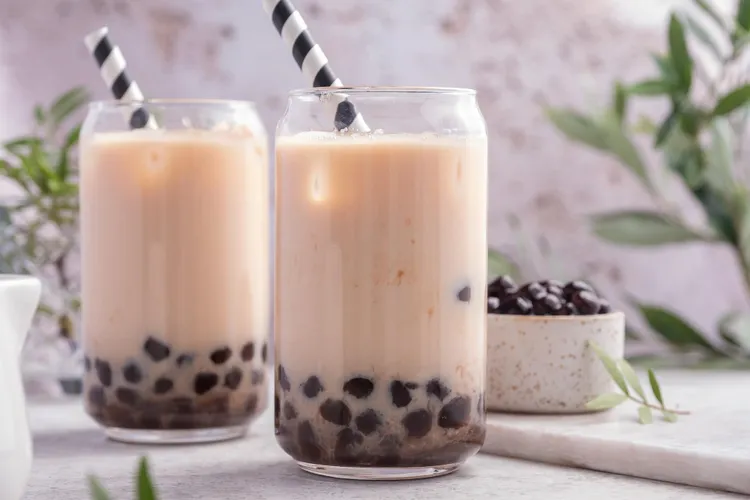
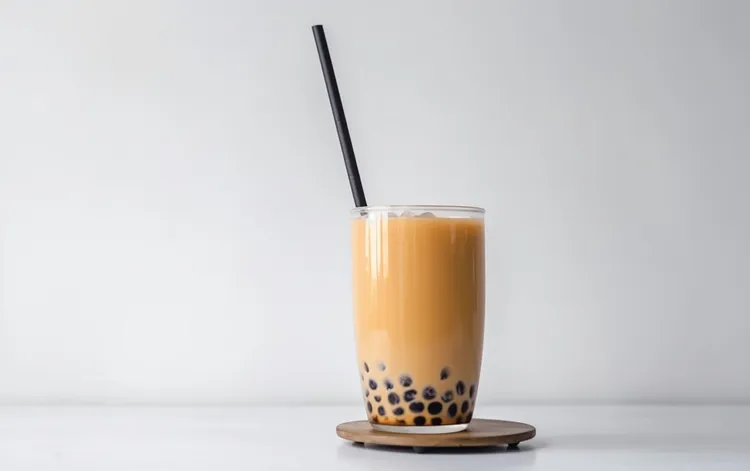
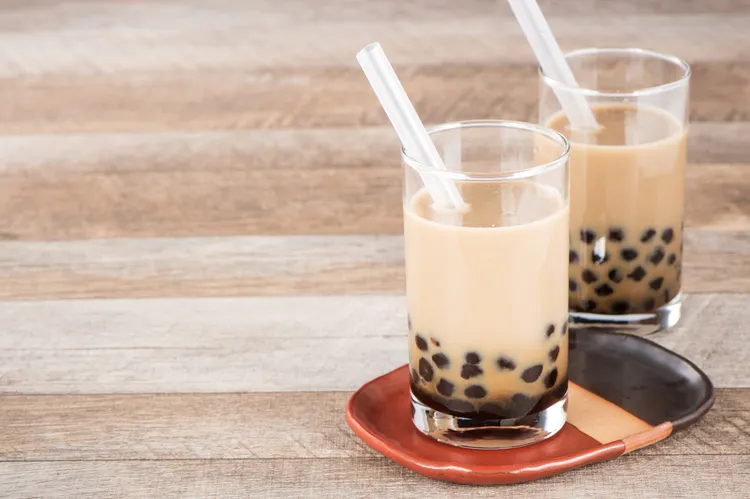
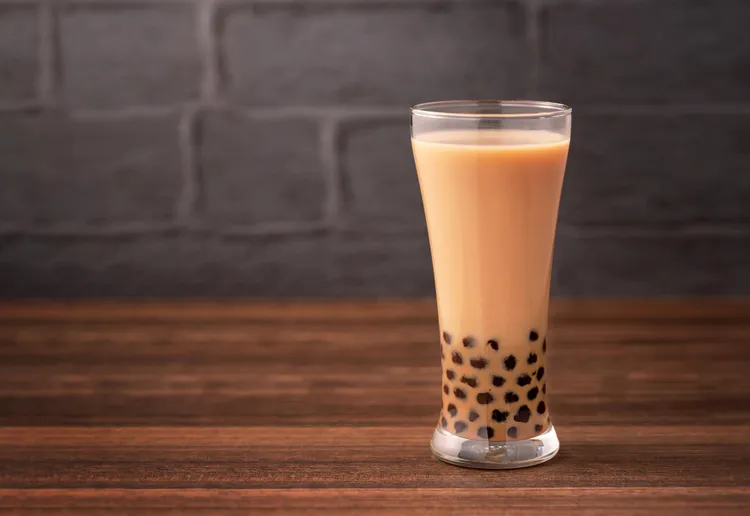
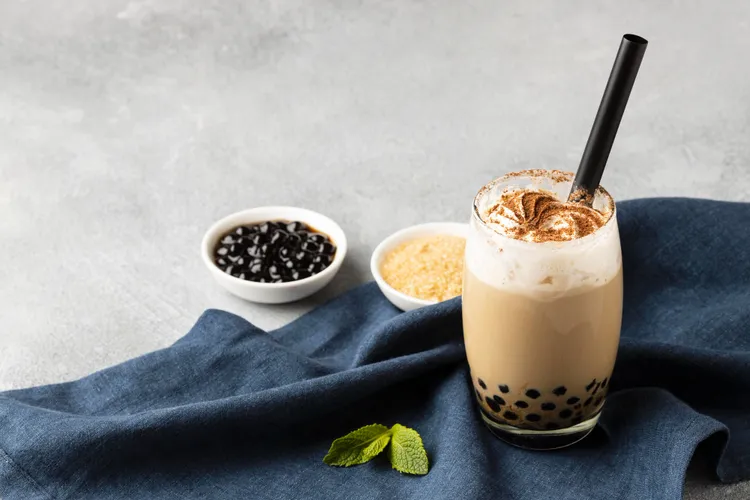
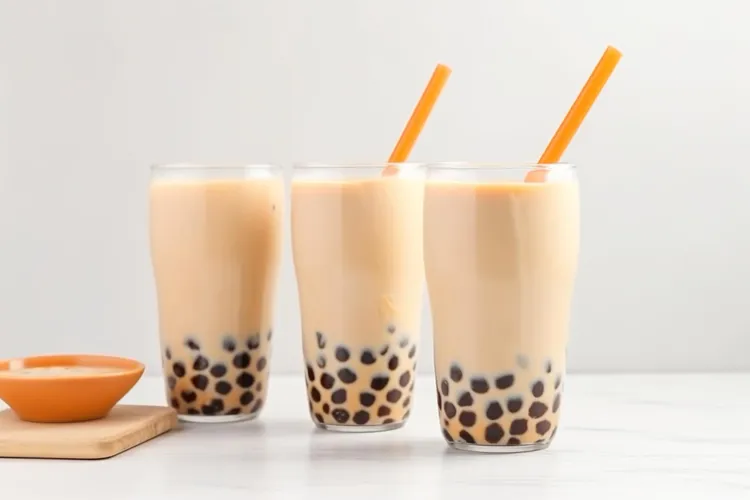
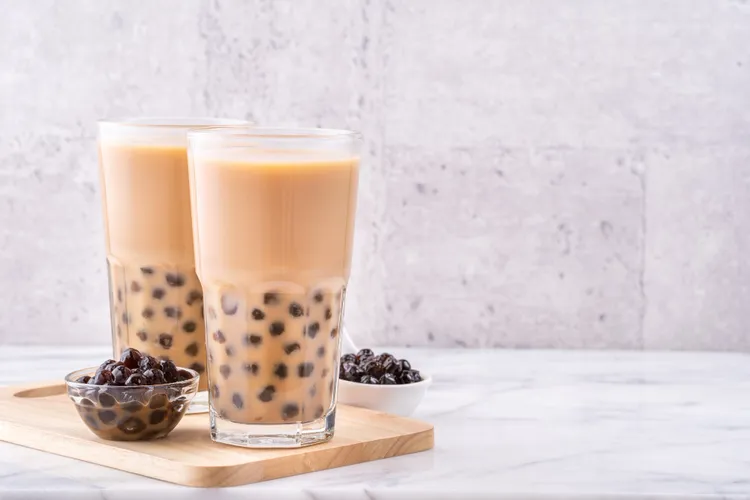
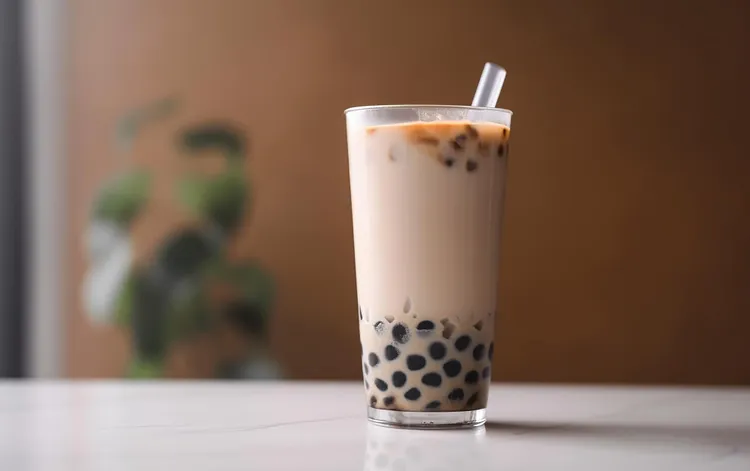
Vegan Brown Sugar Boba: Dairy-Free Milk Options That Actually Work
A vegan brown sugar boba recipe with a comparison of oat, soy, coconut, and almond milk to find the plant milk that actually holds up against black tea.
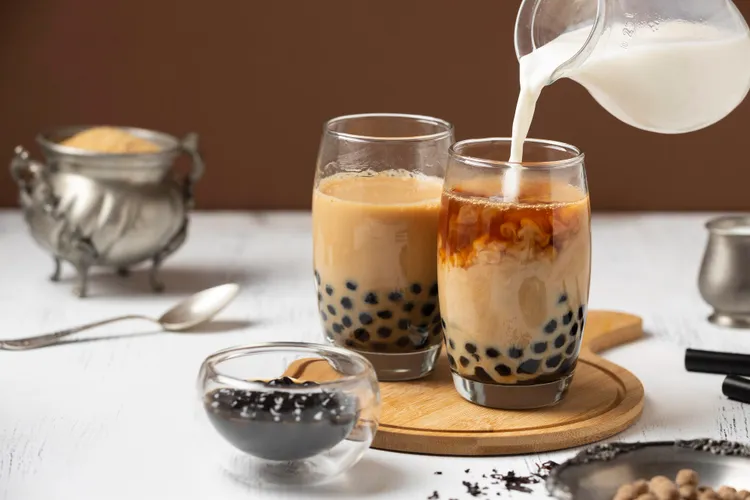
Tapioca pearls and brown sugar syrup are already dairy-free on their own - the only real adjustment for a vegan version is picking a plant milk that actually holds up against black tea's tannins, since not all of them do.
Ingredients
- 1/2 cup cooked tapioca pearls (see the tapioca pearl cooking guide)
- 1/4 cup brown sugar syrup, made with regular granulated brown sugar (see the syrup recipe - it's naturally vegan as written)
- 1 cup brewed black tea, double-strength, cooled
- 1/2 cup oat milk (barista blend if available)
- 1 cup ice
Instructions
- Brew the tea double-strength and let it cool most of the way, same as the standard recipe.
- Toss the warm tapioca pearls in the brown sugar syrup.
- Coat the inside of a glass with a spoonful of extra syrup, tilting and rotating to create stripes, then let it set for a minute.
- Add the syrup-coated pearls to the glass, followed by the ice.
- Pour in the oat milk, then the cooled tea, slowly and over the back of a spoon to preserve the stripe layering.
- Stir gently before drinking and serve with a wide boba straw.
Nutrition (per serving)
- Calories: ~350 kcal
- Protein: 2g
- Carbs: 70g
- Fats: 5g
Values will shift slightly depending on which plant milk you use, since fat and protein content vary considerably between brands and types. For a full comparison against the dairy version, see the calorie and sugar breakdown.
Why Not Every Plant Milk Works the Same Way
Black tea contains tannins, and some plant milks curdle or separate visibly when they hit an acidic or tannin-heavy liquid, the same way regular milk can curdle in a very acidic coffee. Almond milk is the most likely to separate against strong black tea, giving the drink an unappealing grainy, split appearance even though it still tastes fine. Oat milk is the most reliable substitute for dairy in this specific drink - it's naturally a bit creamy, doesn't split against tea, and its mild, slightly sweet flavor doesn't compete with the brown sugar.
Comparing Plant Milk Options
- Oat milk: The most reliable choice. Creamy body, doesn't separate against tea, mild flavor that lets the brown sugar and tea come through. A barista-blend oat milk (formulated with more fat for better texture and stability) performs best here.
- Soy milk: Works well and has a slightly more assertive flavor and higher protein content than oat milk, closer to the body of dairy milk. Some unsweetened soy milks can separate slightly against very hot tea, so make sure the tea has cooled before combining.
- Coconut milk (canned, diluted): Adds a distinct coconut flavor that changes the drink's character - good if you want that specifically, less good if you're trying to replicate a standard dairy version closely. Dilute canned coconut milk with water roughly 1:1 before using, since it's much richer than dairy milk on its own.
- Almond milk: The least reliable option for this specific drink due to separation against tea tannins. If it's the only option available, using a barista-blend almond milk and making sure the tea is fully cooled before combining reduces (but doesn't eliminate) the issue.
- Rice milk: Works but is noticeably thinner and less creamy than the other options, producing a lighter-bodied drink.
Confirming the Syrup and Pearls Are Vegan
Both the tapioca pearls and brown sugar syrup as written in this guide use no animal products - tapioca starch is plant-derived, and standard brown sugar and water need no dairy or honey to reach the right consistency. The one thing worth double-checking is any pre-made or flavored boba pearls from a store, since some flavored or colored varieties include minor non-vegan additives depending on the brand.
Common Mistakes
- Using a thin, unsweetened almond milk and expecting shop-level creaminess: the body just isn't there. A barista-blend product or a different milk entirely gets closer.
- Adding milk to hot tea: increases the chance of separation with more sensitive plant milks. Let the tea cool first regardless of which milk you're using.
- Assuming all plant milks behave the same: they don't - oat and soy hold up noticeably better against black tea than almond or rice.
Frequently Asked Questions
Is the brown sugar syrup itself always vegan?
Yes, as long as it's made with regular granulated or dark brown sugar and water, as in the standard syrup recipe. Some commercial "brown sugar boba syrup" products sold at specialty stores occasionally include honey or other non-vegan sweeteners blended in, so check the label if buying a pre-made syrup rather than making your own.
Can I make the vegan cheese foam topping too?
A vegan version of the cheese foam topping is possible using a plant-based cream cheese and coconut cream in place of dairy cream, whipped the same way, though the texture tends to be slightly less stable than the dairy version and it should be used soon after whipping rather than made far in advance.
Why does my oat milk version taste thinner than a shop's vegan boba?
Many shops use a barista-formulated oat milk specifically because it's higher in fat and designed to hold up against hot liquids and acidic ingredients without thinning out or separating. A standard oat milk not labeled "barista" is thinner and can produce a noticeably less creamy result - look specifically for a barista blend if this is a recurring issue.
Does the type of black tea matter more with plant milk?
Somewhat. A very tannic, strong black tea is more likely to cause visible separation with a sensitive plant milk like almond, so a smoother, less astringent black tea blend can help if separation keeps being an issue regardless of which milk you switch to.
Can I combine the vegan and low-sugar versions of this recipe?
Yes - swap in your plant milk of choice and use the reduced syrup ratio from the low-sugar brown sugar boba recipe at the same time. The two adjustments don't interact with each other, since one changes the milk and the other changes the syrup.
Where Plant Milk Sourcing Matters Most
For anyone making this regularly, buying oat milk in bulk from a warehouse store or a larger carton rather than single-serving containers meaningfully cuts the cost per glass, since plant milk is one of the more expensive components of a homemade vegan version relative to its dairy counterpart. Refrigerated oat milk (rather than the shelf-stable boxed kind) tends to have a slightly richer, creamier flavor that holds up a bit better in this specific drink, though either works.
Making Your Own Oat Milk at Home
For anyone making this drink regularly, homemade oat milk (blended rolled oats and water, strained through a nut milk bag or fine cloth) is a genuinely economical option and gives more control over thickness than most store-bought versions, though it's worth noting homemade oat milk tends to be thinner and less stable than a commercial barista blend unless a small amount of neutral oil is blended in to help emulsify it, a common home workaround for closing that gap.
Vegan Considerations Beyond the Milk
Sugar itself is occasionally a point of confusion in vegan cooking, since some refined white and brown sugars are processed using bone char as a filtering agent, depending on the manufacturer and country of origin - this is more common with certain cane sugar processing methods than others. Sugars labeled organic or specifically marketed as vegan have avoided this processing method; if this is a concern, checking the specific brand of brown sugar used in the syrup is worth doing, since it varies by producer rather than being a universal industry standard either way.
Building a Fully Plant-Based Version of the Whole Drink
Beyond the milk itself, a couple of other small details are worth checking if aiming for a completely plant-based glass. Most standard granulated and brown sugars, once confirmed vegan as covered above, are the only other ingredient in the syrup, so the syrup itself is straightforward once that's settled. Standard black tea is naturally plant-based with no animal products involved in typical processing, so the tea component needs no substitution at all. That leaves the milk as genuinely the only ingredient in the entire drink that requires a deliberate choice.
Texture Comparison Table
- Oat milk (barista blend): Creamy, stable against tea, mild flavor. Best overall substitute.
- Oat milk (standard, non-barista): Thinner body, still stable against tea, slightly less rich mouthfeel.
- Soy milk: Higher protein, close to dairy in body, slightly more distinct flavor of its own.
- Coconut milk (diluted): Rich and distinct coconut flavor, changes the drink's character noticeably.
- Almond milk: Thin body, most likely to visibly separate against black tea.
- Rice milk: Very thin, mild flavor, least creamy of the common options.
Why Tea Temperature Matters More With Plant Milk
Dairy milk is fairly forgiving about being combined with warm tea without much visible change, but several plant milks are more sensitive to heat and acidity together, increasing the chance of a curdled or separated appearance if the tea hasn't cooled enough first. Letting the tea cool close to room temperature before combining - a step that matters somewhat for the dairy version but matters considerably more here - meaningfully reduces the risk of an unappealing separated texture, regardless of which plant milk you're using.
Adjusting Sweetness for Naturally Sweeter Plant Milks
Some plant milks, particularly certain oat and rice milk products, come pre-sweetened by default, which can make the finished drink taste sweeter than intended if the standard amount of brown sugar syrup is used without adjustment. Checking the plant milk's label for added sugar, and choosing an unsweetened version if precise control over sweetness matters, avoids this stacking effect where both the syrup and the milk are contributing sugar independently.
A Quick Shopping List for the Vegan Version
Dried tapioca pearls, dark brown sugar, black tea, oat milk (barista blend preferred), and salt cover everything needed for a fully plant-based glass. All five are widely available together at most well-stocked grocery stores, without needing to visit a specialty shop specifically for the vegan adaptation beyond what the standard recipe already requires.
How This Compares to Shop-Bought Vegan Options
Most bubble tea shops now offer some form of dairy-free milk substitution on request, though the specific options vary a lot by location, and oat milk isn't always the default or even available at every shop the way it is when made at home with full control over sourcing. Making this version at home guarantees access to whichever plant milk actually works best, rather than being limited to whatever a specific shop happens to stock.
Making This Regularly
Once a preferred plant milk is settled on, the vegan version requires no more effort than the standard dairy recipe - it's simply a matter of keeping that milk stocked alongside the other ingredients. For anyone cooking for a household with mixed dietary needs, making the vegan version as the default and letting anyone who wants dairy milk add their own is often simpler than making two separate batches of syrup and pearls.
Wrapping Up
A good vegan brown sugar boba comes down almost entirely to picking the right plant milk - everything else about the process stays identical to the standard recipe, which makes this one of the more straightforward adaptations covered anywhere in this guide. With the right milk chosen, there's genuinely no flavor or texture compromise involved compared to the dairy version.
If the first plant milk you try doesn't quite land, don't assume the whole vegan approach fails - swap to a different milk from the comparison list above before concluding the drink can't work well without dairy. Most people land on a favorite after trying just two or three of the options covered in this guide.
Where This Fits
This is a variation on the classic brown sugar boba milk tea recipe, with only the milk swapped. For the full technique behind the pearls and syrup that this recipe builds on, see the complete brown sugar boba guide.
Latest