Tarator: The Cold Balkan Yogurt Soup That's Actually Great for You
Tarator is Bulgaria's cold yogurt-cucumber soup - made in under ten minutes, refreshing in summer heat, and surprisingly nutritious. A bowl runs around 120 kcal with 8g protein, and the garlic and dill combination is one of those flavour pairings that just works.
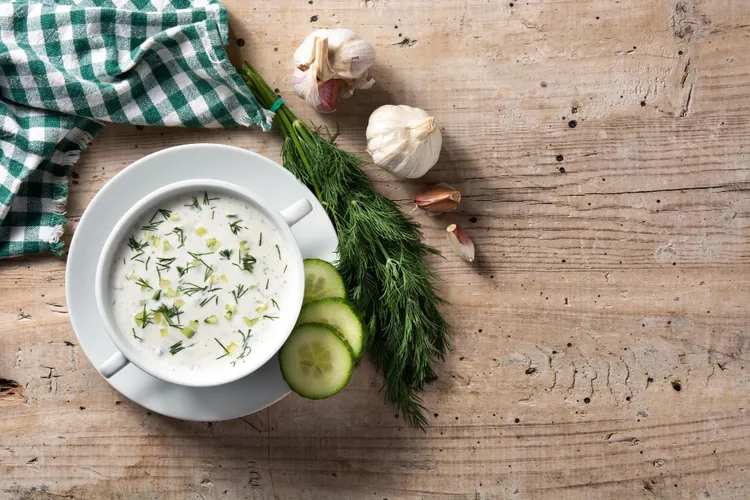
Bulgaria in August is hot. Tarator is the answer. Cold, creamy from the yogurt, sharp from the garlic, fresh from the dill and cucumber - it's a soup that takes less time to make than it does to describe. The fact that it's also good for you is almost beside the point.
Outside Bulgaria, tarator is underknown. It deserves a wider audience. It works as a first course, a light lunch, or a side alongside grilled meat on a hot day.
The Recipe
Ingredients (serves 2)
- 400ml full-fat Bulgarian yogurt (or Greek yogurt as a substitute)
- 1 medium cucumber
- 2 cloves garlic
- 2 tbsp fresh dill, chopped
- 2 tbsp walnuts, roughly chopped (optional but traditional)
- 1 tbsp olive oil
- 150-200ml cold water
- Salt
Method
- Grate or very finely dice the cucumber. Do not peel. If using a grater, squeeze out most of the liquid over the sink.
- Crush the garlic with the flat of a knife, then mince finely. Alternatively, grate on a microplane for a more evenly distributed flavour.
- Combine yogurt, cucumber, garlic, dill, and olive oil in a bowl. Stir well.
- Add cold water gradually until you reach your preferred consistency - somewhere between a thick soup and a thin dip.
- Season with salt, add walnuts if using, and refrigerate for at least 15 minutes before serving. It should be served very cold.
The Yogurt Question
Bulgarian yogurt is the correct choice and is worth seeking out at Eastern European shops. It has a more pronounced acidity than Greek yogurt and a thinner texture - both of which are right for tarator. Greek yogurt works but produces a slightly richer, thicker soup that needs more water to thin down. Low-fat yogurt makes a noticeably less satisfying version; the fat carries the flavour.
Macro Breakdown
Per bowl (approx. 300ml, made with full-fat yogurt, without walnuts):
- Calories: ~140 kcal
- Protein: ~8g
- Carbohydrates: ~10g
- Fat: ~7g
With walnuts, add approximately 60 kcal and 4g fat per serving. These are estimates based on full-fat yogurt at approximately 100 kcal per 100ml.
Serving Suggestions
Tarator is most often a starter or a side dish. It pairs well with anything grilled - the cold, creamy yogurt acts as a palate cleanser between bites of charred meat. Alongside grilled lamb chops or ćevapi, it's particularly effective.
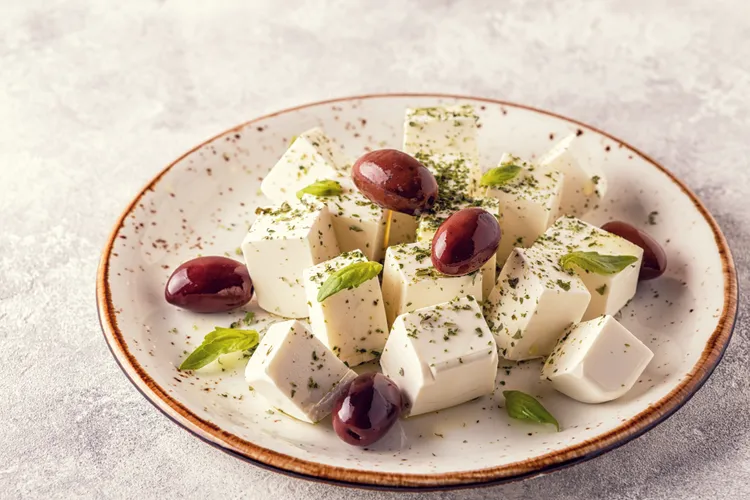
As a standalone light lunch, serve with crusty bread and a few olives. For the bigger picture on Balkan food, including how tarator fits into a broader weekly rotation, see our Balkans table guide.
Storage
Tarator keeps in the fridge for 24 hours. After that the garlic becomes overpowering and the cucumber softens unpleasantly. It does not freeze. Make it the same day you intend to eat it.
Latest