Chilean Pebre: The Herb Salsa That Rivals Chimichurri
Pebre is Chile's essential table condiment - a fresh salsa of cilantro, tomato, onion, and ají, looser and brighter than chimichurri. It goes on bread, grilled meat, and empanadas, and it's made fresh in minutes.
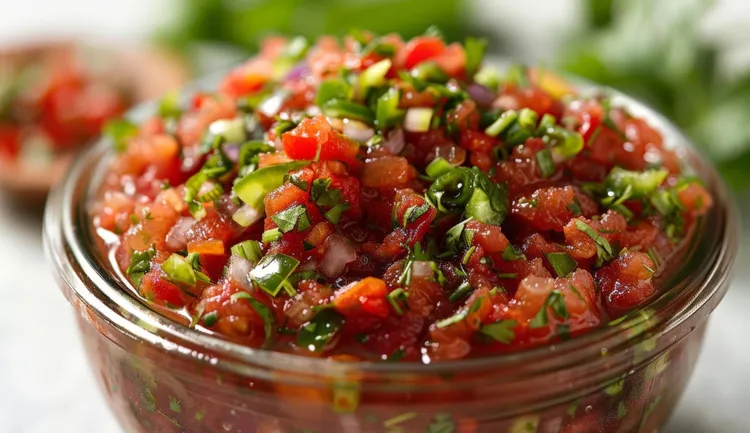
Pebre shows up at nearly every Chilean table before the meal, served in a small bowl with bread for dipping while the grill heats up. It's lighter and more tomato-forward than chimichurri, and the cilantro base makes it taste distinctly different from its Argentine cousin.
Ingredients (serves 6)
- 1 cup fresh cilantro, finely chopped (packed)
- 2 medium ripe tomatoes, seeded and finely diced
- 1/2 white or red onion, finely diced
- 2 cloves garlic, minced
- 1-2 ají verde or jalapeño, finely chopped (seeds optional)
- 3 tbsp red wine vinegar
- 3 tbsp olive oil
- Salt to taste
- Optional: 1 tbsp fresh lemon juice
Instructions
- Seed the tomatoes and dice finely. Excess liquid dilutes the pebre.
- Finely dice the onion and mince the garlic and ají. Keep all components roughly the same small size.
- Chop the cilantro well - stems included, they add flavor.
- Combine everything in a bowl. Add the vinegar, olive oil, and lemon juice if using.
- Season with salt. Taste and adjust - it should be bright and fresh, with the cilantro forward.
- Let it rest at room temperature for 15-20 minutes before serving.
Pebre vs. Chimichurri: When to Use Which
Chimichurri is oil-heavy, parsley-based, and works best on red meat. Pebre is lighter, tomato-forward, and works better on chicken, fish, and pork. Pebre is also the better choice as a bread dip or a sauce for empanadas. For grilled beef, chimichurri wins. For grilled salmon or white fish, pebre is the better call. Serve both at a mixed grill and let people choose.
Nutrition (per 1/4 cup serving)
- Calories: ~40 kcal
- Protein: 1g
- Carbs: 3g
- Fat: 3g
Regional Variations
In the south of Chile, pebre often includes merquén - a smoked, dried ají chile used like a spice blend, with coriander seeds and salt. A pinch of merquén added to the base recipe gives a smoky depth that works particularly well with lamb and beef. It's available at some specialty stores and easily ordered online.
Some versions skip tomato entirely and go closer to a pure herb salsa. Others add finely chopped cucumber for extra freshness in summer.
Storage
Pebre is best eaten within a few hours of making. The tomato releases liquid and the cilantro wilts after a day in the fridge. If you need to make ahead, keep the herb-oil-vinegar base separate from the tomato and onion and combine 30 minutes before serving.
Meal Prep Tips
Make it the day of. The 10-minute prep time doesn't justify batching it like chimichurri. Pre-mince the aromatics and refrigerate, then combine with the fresh tomato and cilantro when needed. For a complete picture of South American herb sauces and condiments, see our guide to South American condiments and cooking.
Latest