Chimichurri Sauce: The Argentine Herb Condiment You'll Put on Everything
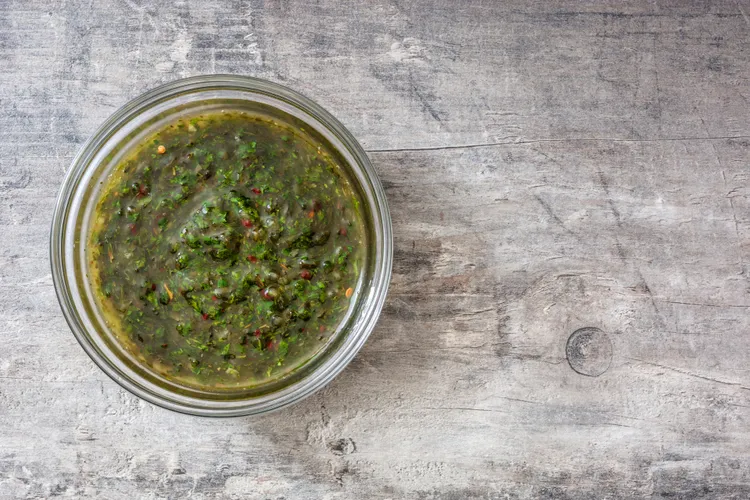
Chimichurri is Argentina's essential herb sauce - bright, garlicky, and built on fresh parsley, red wine vinegar, and olive oil. Learn how to make green and red versions, how long it keeps, and why it works on far more than just steak.
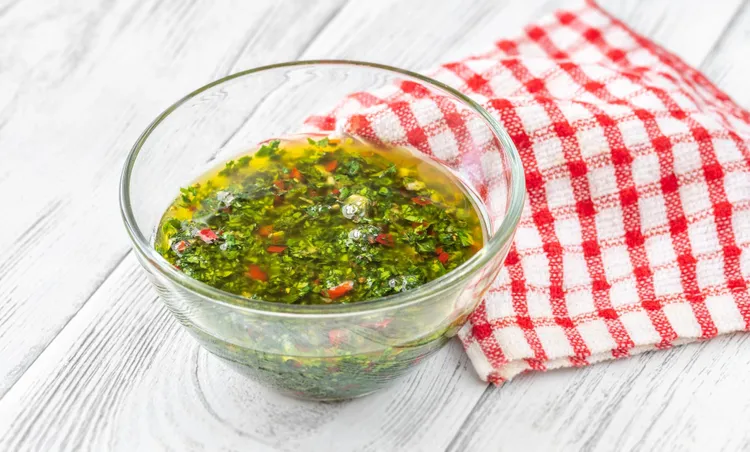
A proper chimichurri takes about ten minutes to make and improves significantly if you let it sit for an hour before serving. Most recipes skip that waiting step - don't. The vinegar needs time to soften the raw garlic and bring the flavors together.
Ingredients (makes about 1 cup)
- 1 cup flat-leaf parsley, finely chopped (packed)
- 4 cloves garlic, minced
- 1 tsp dried oregano
- 1/2 tsp red pepper flakes
- 3 tbsp red wine vinegar
- 1/2 cup extra-virgin olive oil
- 1/2 tsp coarse salt
- Black pepper to taste
Instructions
- Chop the parsley very finely by hand. A food processor makes it wet and muddy - avoid it.
- Mince the garlic as fine as you can. Rough-chopped garlic is too aggressive.
- Combine parsley, garlic, oregano, and red pepper flakes in a bowl. Mix briefly.
- Add the red wine vinegar and stir. Let this sit for five minutes - the vinegar starts mellowing the garlic.
- Pour in the olive oil and stir to combine. The texture should be loose and spoonable, not a paste.
- Season with salt and black pepper. Taste and adjust vinegar if you want more brightness.
- Cover and rest at room temperature for at least 30 minutes before serving. One hour is better.
Chimichurri Rojo (Red Chimichurri)
The red version replaces some parsley with dried ancho or guajillo chile, adds sweet paprika, and sometimes includes a small amount of fresh tomato. It's smokier and less sharp than the green version, better on lamb and pork than on beef. Use the same base recipe and add: 1 tbsp sweet paprika, 1 tsp smoked paprika, 1 dried ancho chile (rehydrated, seeds removed, finely chopped). Reduce the red pepper flakes to a pinch.
What to Put Chimichurri On
Steak is the obvious answer, but chimichurri works on almost any protein. Try it on pan-roasted chicken thighs - the fat in the thigh meat balances the acidity well. It's also excellent on grilled fish (particularly salmon and swordfish), roasted vegetables, hard-boiled eggs, and as a dipping sauce for bread alongside an asado spread.
For a full breakdown of how chimichurri fits into Argentine grilling, see our guide to South American condiments and cooking.
Nutrition (per 2 tbsp serving)
- Calories: ~85 kcal
- Protein: 0g
- Carbs: 1g
- Fat: 9g
All values are estimates. The calorie count is almost entirely from olive oil - use less oil for a lighter sauce, though the texture will be thicker.
Storage and Shelf Life
Chimichurri keeps in the fridge for up to a week in a sealed jar. The flavor peaks on day two and three. After day five the parsley starts to lose its brightness. The olive oil will solidify in the fridge - take it out 20 minutes before serving and stir. It does not freeze well; the herbs turn black and the emulsion breaks.
Meal Prep Notes
Make a double batch at the start of the week. Use it on grilled protein at dinner, stir a spoonful into scrambled eggs in the morning, and use the last of it as a salad dressing by Friday. It does the work of three condiments. For a full week of South American cooking ideas, check out our complete guide to South American condiments.
Latest