How to Fix a Burnt Dish: What Actually Removes the Burnt Taste (and What Doesn't)
Burnt your dish? Here is what actually removes burnt taste, which popular tricks are myths, and how to rescue soups, rice, sauces, and baked goods.

Most burnt dishes are not a total loss. The bottom layer is ruined, but the rest of the pot often tastes fine until the scorched bits get stirred in. What you do in the first 30 seconds decides whether you save dinner or start over.
Can you fix a burnt dish? Often, yes, if the burn is only on the bottom or surface.
- Take it off the heat immediately.
- Do not scrape the bottom. Spoon the unburnt food into a clean pot.
- Taste it. If the burnt flavor is faint, dilute it and balance it with fat, a little sweetness, acid, and salt.
- If the whole dish tastes acrid, no seasoning will fully rescue it. Start over or salvage a small portion.
What Burnt Actually Tastes Like
Browning is good. Burning is browning that went too far. Sugars start to caramelize at around 160°C (320°F), and proteins and sugars react in the Maillard reaction at lower temperatures to give you roasted, savory flavor. Push past that and the same molecules break down into carbon-rich compounds that taste bitter, harsh, and smoky in a sour way. It is not a stronger version of toasted. It is a different set of molecules.
Two facts matter for the rescue:
- Bitter compounds dissolve. In a soup, sauce, or stew, whatever scorched on the bottom spreads through the liquid the moment you stir. Stirring a burnt pot turns a local problem into a dish-wide one.
- Part of the problem is smell. Acrid aroma makes food seem more burnt than it is, so a little time and fresh air help your palate reset before you judge.
The strategy: stop making more burnt compounds, physically separate what you can, then dilute and rebalance the rest.
Burnt Food Myths
- "Drop a raw potato in the pot." Mostly no. A potato absorbs a little salt and liquid, which helps with an over-salted dish, but it does not pull burnt compounds out.
- "Scrape the burnt layer and keep cooking." No. Loose burnt particles float up and spread through the dish.
- "Add more spices to cover it." No. Strong spices stack on top of the burnt note instead of hiding it.
- "Put bread on burnt rice and cover it." Partly. Bread absorbs some smoky aroma, but it does nothing for burnt grains mixed into the rice.
- "Add baking soda." No. It neutralizes acid, not bitterness, and can leave a soapy taste.
- "Transfer to a clean pot and leave the bottom behind." Yes. This is the one fix that physically removes the source.
- "Dilute it." Yes. Lower concentration means a weaker bitter signal.
Fixes by Dish Type
Soups, stews, and sauces
This is the easiest category to save. Turn off the heat and do not stir. Ladle the top portion into a clean pot and stop before you reach the bottom layer, even if you lose some. Taste, then add unburnt volume: more stock, canned tomatoes, cooked beans, or cooked vegetables. Finish with a spoonful of cream, coconut milk, or butter, a pinch of sugar, a splash of lemon juice or vinegar, and salt. Add them one at a time and taste after each.
Rice and other grains
Do not stir. Move the top, unburnt layer to a new pot or bowl, cover it, and let it steam for 5 to 10 minutes. A slice of bread on top can cut the smoky smell. Any grains with a brown tint or bitter edge are not worth keeping.
Roasted vegetables and meat
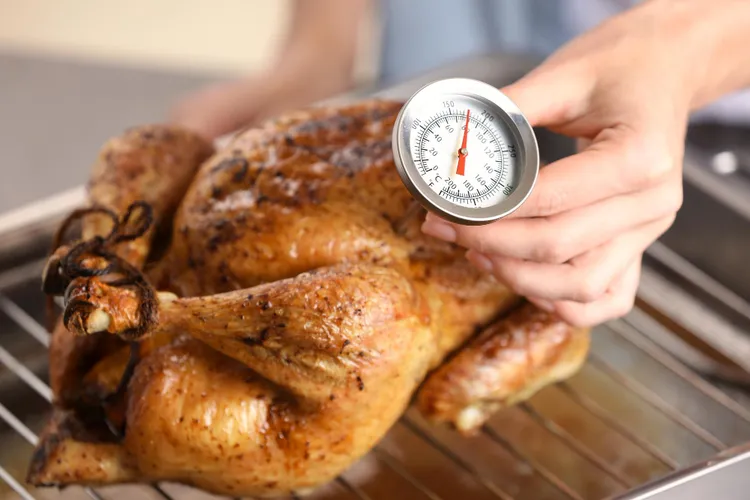
The burn is usually on the surface, so you can often trim it. Cut away blackened edges or scrape a shallow char off with a knife or fine grater. High-heat pan cooking, like pan-roasted chicken thighs, leaves little room for error, so a quick trim and a squeeze of lemon, a yogurt sauce, or a herb dressing usually brings it back. Contrast pulls attention away from lingering char.
Baked goods
Burnt bottoms on cookies, bread, or cakes can be shaved off with a microplane or serrated knife. Frosting, glaze, or a scoop of ice cream balances a faint bitter edge. If the whole crumb is dark and bitter, it will not improve.
Milk, cream, and custard-based dishes
Milk scorches easily because lactose and proteins stick to the pan and burn fast. Transfer immediately without scraping. In a dessert you can sometimes mask a mild burn with vanilla, chocolate, or warm spices, but it is a long shot.
Burnt garlic and onions
Garlic turns bitter faster than almost anything else. If it is dark brown or black, it cannot be rescued. Discard it, wipe the pan, and start again. That takes two minutes and saves the whole dish.
Rebalancing: Fat, Sweetness, Acid, and Salt
None of these remove the burnt compounds. They change how strongly your mouth registers them.
- Salt is one of the most reliable ways to dampen bitterness. A small pinch can make a surprising difference.
- Fat (butter, cream, olive oil, coconut milk) coats the tongue and rounds out harsh edges.
- Sweetness pushes back against bitterness. Use a pinch of sugar, a little honey, or sweet vegetables like carrot or caramelized onion.
- Acid brightens the dish and distracts from the dull, heavy burnt note.
Restraint matters. Add a little, stir, wait, and taste. Over-correcting gives you a dish that is salty, sweet, and sour, but still burnt.
Lean Into the Smoke
If the burn is mild and the dish can handle it, work with the flavor. A touch of char belongs in chili, barbecue sauce, and smoky stews. Smoked paprika, cumin, chipotle, and a spoonful of tomato paste can turn an accident into something that tastes intentional. This only works when the burn is light. A heavy burn always tastes like a mistake.
What Professional Kitchens Do
Chefs do not cook through a burn. The rule is to move the food the moment you smell scorching, and never scrape. Then taste and decide in seconds. If it is recoverable, they transfer, dilute, and adjust. If it is not, it goes in the bin and they start fresh, because a half-fixed dish costs more than a new one. Home cooks can borrow the same instinct: do not throw good ingredients after bad.
Why Cold Water Helps
If the bottom of a pot is scorched, set the base in a few centimeters of cold water in the sink for about a minute. The metal holds a lot of heat, and the food at the bottom keeps burning even after you turn off the burner. Cooling the pot stops that, and it makes the burnt layer easier to loosen when you wash up.
How to Prevent It Next Time
- Use a heavy-bottomed pot or pan. Thin pans have hot spots that scorch food.
- Lower the heat once things reach a simmer. Most burning happens because the burner is too high. Creamy, meaty soups like this keto Italian sausage and bacon soup do best at a gentle simmer once the cream goes in.
- Stir sauces and grains regularly, especially anything with sugar, milk, or starch.
- Keep enough liquid in the pot and do not let it cook off unattended.
- Set a timer, even for dishes that "just need a few minutes."
- Add garlic late. It can burn in under a minute at high heat.
Here's What It All Comes Down To
- Act fast. Take the dish off the heat the moment you smell burning.
- Never scrape. Transfer the unburnt food to a clean pot and leave the bottom behind.
- Dilute first, then balance. Add unburnt volume, then use salt, fat, sweetness, and acid in small amounts, tasting as you go.
- Skip the myths. Raw potatoes and baking soda do not remove burnt flavor.
- Know when to quit. If the whole dish tastes acrid, starting over is faster and tastes better than any rescue.
Latest