Sage: Growing, Drying, and Cooking With a Bold Herb
A complete guide to cooking with sage: harvest and drying basics for this hardy perennial, plus the classic pairings and recipes that make the most of its bold, savory flavor.
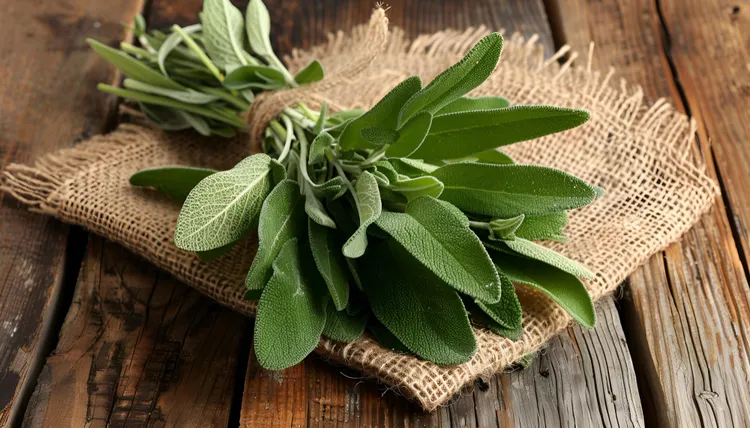
Sage is a woody perennial that survives winters basil and dill never could, and it rewards a completely different kind of cooking. Where soft herbs like basil ask to be used by the handful, sage asks to be used with restraint, since its bold, slightly bitter, resinous flavor can dominate a dish quickly if overdone.
Why Sage Behaves Differently From Soft Herbs
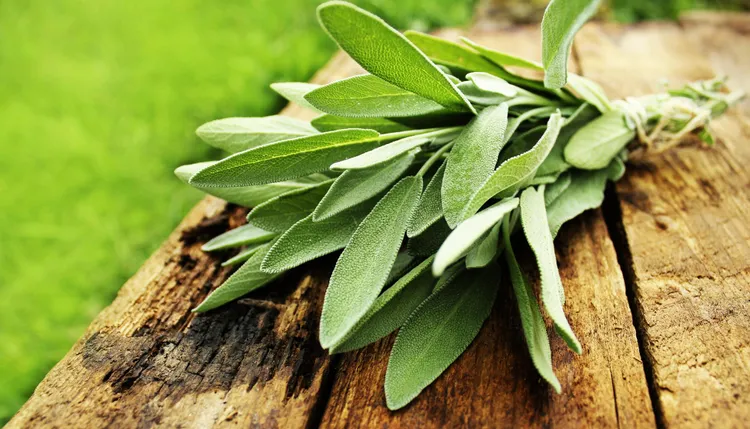
Sage's woody stems and thick, slightly fuzzy leaves store more concentrated essential oils than a tender herb like basil or dill. That's part of why sage tolerates high heat, browning butter, roasting, frying, without turning bitter or burning off its flavor the way a delicate herb would. It's also why a little goes further than most cooks expect the first few times they use it.
Step One: Harvest and Store With a Woody Herb's Needs in Mind
Sage is harvested differently than a soft herb, since cutting technique affects a perennial plant's long-term shape and productivity rather than just this season's yield. How to Harvest Sage Without Damaging the Plant covers the right way to cut sage so the plant stays productive for years rather than just one season.
Fresh sage holds up noticeably longer than basil or dill once cut, but it still benefits from the right storage setup. How to Store Fresh Sage So It Doesn't Go Limp covers fridge storage specifics for a sturdier leaf.
Sage is also one of the easier herbs to dry well at home, and dried sage is a genuinely useful pantry staple rather than a lesser substitute. How to Dry Sage at Home (and Why It's Easy) covers air, oven, and bundle-drying methods.
Step Two: Master the Classic Pairings
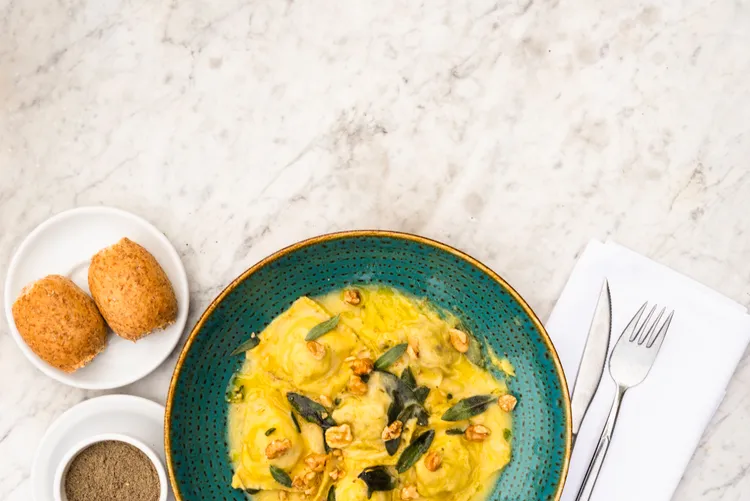
Brown butter and sage is the pairing most people already associate with this herb, and it's a genuinely useful base sauce rather than a one-trick recipe. Brown Butter Sage Sauce for Pasta and Squash covers the base technique and three serving directions.
Frying whole sage leaves briefly in hot oil turns them crisp and intensely flavored, a two-minute technique that upgrades a lot of simple dishes. Crispy Fried Sage Leaves: A 2-Minute Garnish covers the technique and several places to use the result.
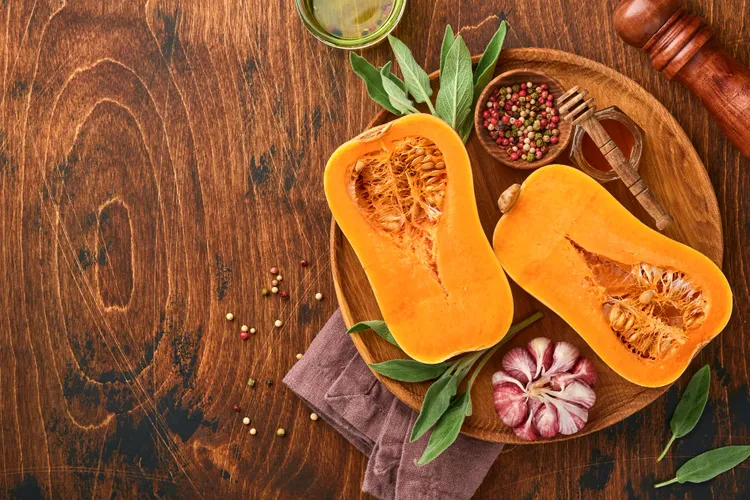
Sage and winter squash are a near-automatic pairing in fall cooking. Sage and Butternut Squash Recipes for Fall has several ways to combine them.
Step Three: Build Sage Into Bigger Dishes
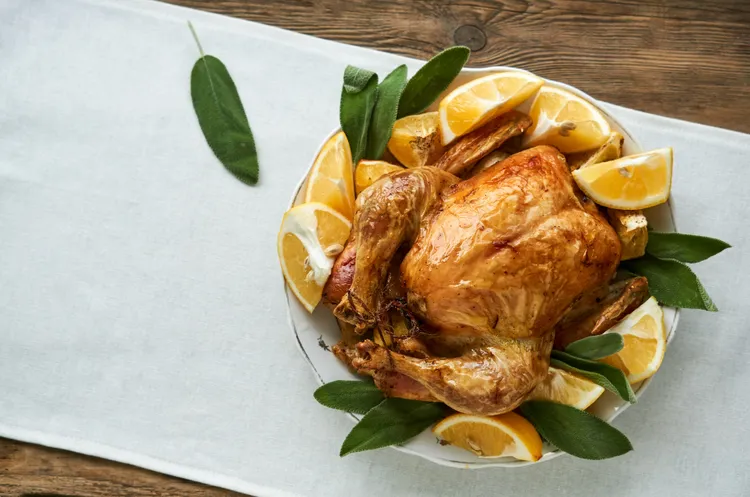
Roasted chicken and turkey both take well to a sage-based rub or compound butter under the skin. Sage Roasted Chicken and Turkey: A Base Method covers one method that scales from a single chicken to a full turkey.
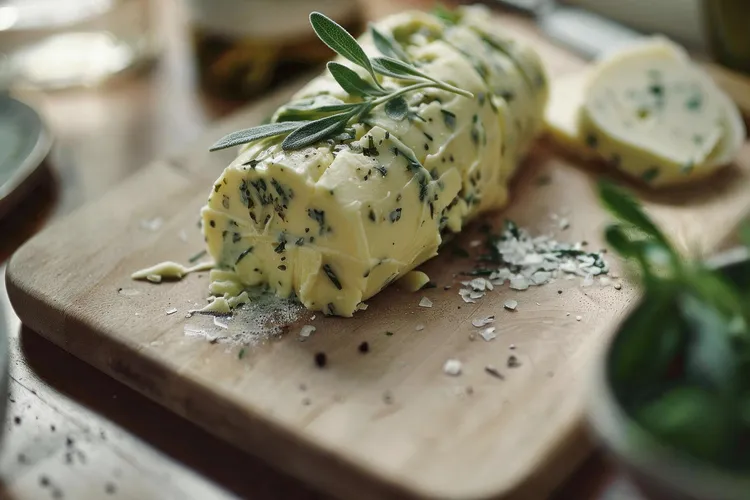
A dedicated sage compound butter is worth having in the freezer, ready to melt over roasted vegetables or finish a pan sauce. Sage Butter: A Compound Butter for Roasting and Bread covers the log-and-freeze method.
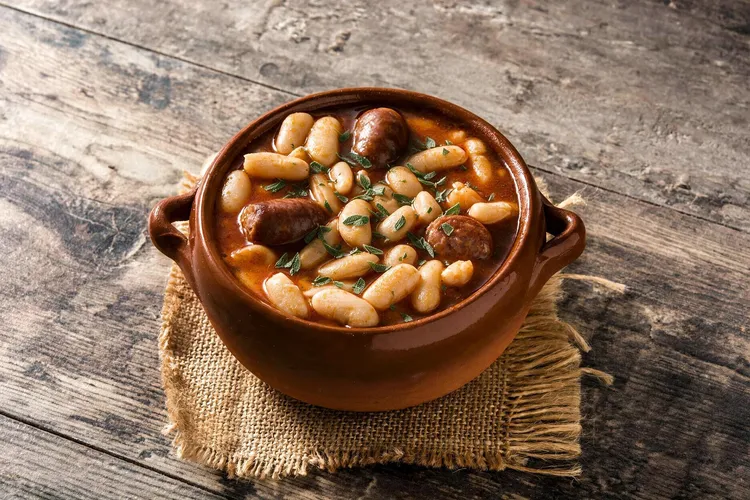
Sage and white beans form the backbone of several classic Italian-style dishes. Sage and White Bean Soup, Stew, and Dip covers three ways to use the pairing.
Stuffing and dressing are one of sage's biggest annual moments, especially around the holidays. Sage Stuffing and Dressing for the Holidays covers a classic bread stuffing with make-ahead notes.
Sage-infused oil captures the herb's flavor in a form that's easy to drizzle or cook with. Sage Oil: An Infused Oil for Roasting and Finishing covers the method and sage-specific notes on strength.
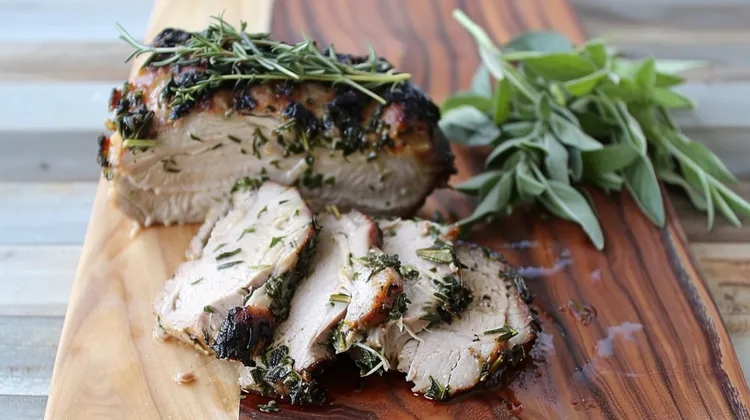
Pork is one of sage's other classic pairings, showing up in sausage, chops, and roasts across several culinary traditions. Sage and Pork Recipes: Sausage, Chops, and Roasts covers several applications.
Step Four: Know the Limits
Sage's strength is also its biggest risk in the kitchen; it's easy to add too much and end up with a dish that tastes medicinal or overly bitter rather than savory. How Much Sage Is Too Much? Getting the Balance Right covers sage's potency relative to other herbs and how to fix a dish that's gone too far.
If a recipe calls for sage and none is on hand, not every substitute works equally well. Sage Substitutes: What to Use When You're Out covers what actually comes close and what doesn't.
Beyond the Cutting Board
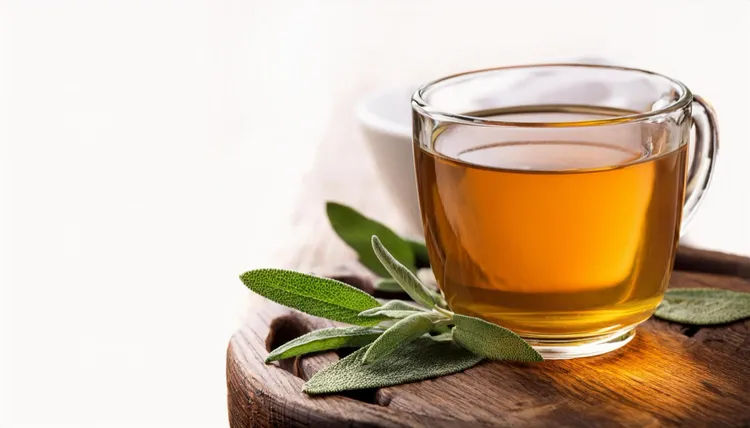
Sage has uses beyond direct cooking too, including a warming herbal tea and a couple of practical kitchen applications that don't involve eating it at all. Sage Tea and Other Non-Culinary Kitchen Uses covers both.
Matching Method to How You Actually Cook
Not every household needs the full range of recipes in this guide. If most weeknight cooking leans simple, the brown butter sauce and a compound butter cover a lot of ground with minimal ongoing effort. If fall and holiday cooking is a bigger focus, the squash pairings, stuffing, and roast poultry method earn their place faster. Sage's long shelf life, both fresh and dried, means there's less urgency to use up a bunch quickly compared to a fast-wilting herb like basil, so it's reasonable to keep a modest amount on hand and reach for these recipes as the occasion calls for them rather than racing to use a surplus.
Common Mistakes When Cooking With Sage
- Using too much. This is by far the most common sage mistake. Its bold, slightly bitter flavor concentrates quickly; see How Much Sage Is Too Much? for a practical guide to getting the balance right.
- Treating it like a delicate herb. Sage tolerates heat, drying, and long cooking far better than basil or dill; there's less need for the careful, quick-handling approach those herbs require.
- Reaching for the wrong substitute. Not every herb stands in for sage convincingly; see Sage Substitutes for what actually works in a pinch.
- Discarding a plant's woody growth thinking it needs replacing. A mature sage plant's woody structure is normal and part of what makes it a productive perennial for years; see How to Harvest Sage Without Damaging the Plant for how to work with it rather than against it.
Frequently Asked Questions
How much sage should a household typically keep on hand?
Because sage keeps considerably longer than soft herbs, both fresh and dried, a modest amount, a few sprigs fresh or a small jar dried, comfortably covers most households' needs without urgency to use it all at once.
Is fresh or dried sage better for most recipes?
It depends on the application. Dried works well in long-cooked dishes like stuffing and stews; fresh is necessary for techniques like crispy fried leaves or a whole-leaf brown butter sauce where the leaf's texture matters.
What's the single most useful sage recipe to learn first?
The brown butter sage sauce is the most versatile starting point, since the same technique adapts to pasta, squash, gnocchi, and even proteins with only minor adjustments.
Tips for Success
Start with less sage than a recipe seems to call for if you're new to cooking with it, since it's much easier to add more than to fix an overpowering dish. Sage generally holds up better to heat than delicate herbs, so add it earlier in cooking rather than reserving it for a raw finish. When planning a week of meals around a sage-heavy ingredient like squash or pork, working the recipes above into a simple weekly meal plan makes it easier to use a bunch of sage across several dishes rather than one.
Latest