How Long Does Cooked Food Last in the Fridge, and Can You Freeze It?
Most cooked leftovers last 3 to 4 days in the fridge and can be frozen for months. Here is how to cool, store, freeze, and reheat each type safely.

The 3 to 4 day rule is the number everyone remembers, and it holds for most cooked dishes. The part people skip is the clock that starts before the fridge: bacteria multiply fastest at room temperature, so how you cool and store food matters as much as how many days it sits there.
- Fridge (4°C / 40°F or colder): most cooked leftovers keep for 3 to 4 days.
- Freezer (-18°C / 0°F): safe indefinitely, but best quality for roughly 2 to 6 months. Estimates: 2 to 3 months for dishes with meat, 1 to 2 months for rice and pasta.
- Cooling window: get food into the fridge or freezer within 2 hours of cooking, or within 1 hour if the room is hot (above 32°C / 90°F).
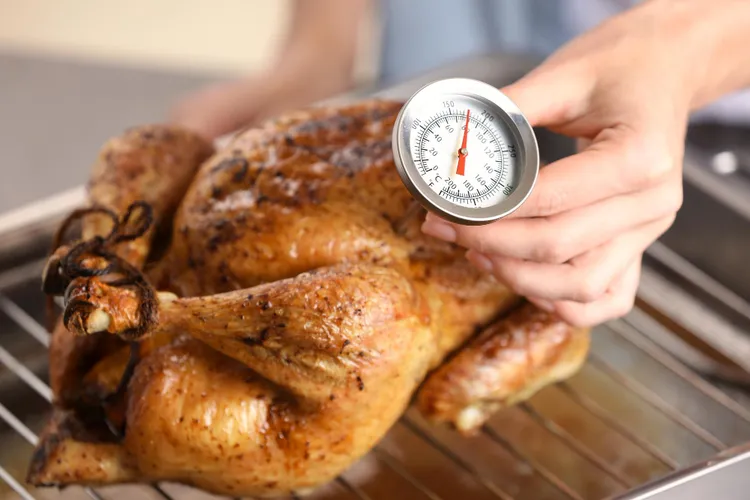
- Reheating: bring leftovers to 74°C (165°F) all the way through. Bring soups and sauces to a rolling boil.
These are USDA guidelines. Some national food safety agencies give shorter windows, such as 2 days for certain foods, so use the short end if your fridge runs warm or you are serving young children, older adults, or anyone pregnant or immunocompromised.
Why the Clock Matters
Bacteria in food left out for more than two hours can double in number every 20 minutes. Some of them produce toxins that reheating does not destroy. That is the real reason for the cooling window. The 3 to 4 day fridge limit is a different problem: after about four days, spoilage bacteria build up and the food starts to smell or taste off, and the risk of illness rises.
Your nose is not a safety test. Some of the bacteria that cause food poisoning do not change how food smells, tastes, or looks. If a dish is past its window, the date matters more than how it seems.
How Long Each Type of Cooked Food Lasts
All fridge times below assume the food was cooled promptly and stored in a covered container at 4°C (40°F) or below. Freezer times are for best quality, not safety, and are approximate.
- Cooked chicken, turkey, beef, pork: 3 to 4 days in the fridge, 2 to 3 months in the freezer. A tray of balsamic chicken and mushrooms cooked on Sunday should be eaten or frozen by Wednesday or Thursday.
- Cooked fish and seafood: 3 to 4 days in the fridge, about 2 to 3 months in the freezer. Fish smells stronger as it ages, so eat it early in the window.
- Soups and stews: 3 to 4 days in the fridge, 2 to 3 months in the freezer. Brothy and puréed soups like this green keto soup freeze better than soups with cream or chunks of potato.
- Cooked rice: eat within 1 to 2 days if you can. Rice can carry Bacillus cereus spores that survive cooking and grow if the rice sits warm, so cool it fast and keep it cold. Freezes for about 1 to 2 months.
- Cooked pasta: 3 to 4 days in the fridge, about 1 to 2 months in the freezer. Slightly undercook it if you plan to freeze it.
- Cooked vegetables: 3 to 4 days in the fridge, about 2 to 3 months in the freezer. Soft vegetables turn mushy after thawing, so use them in soups and bakes.
- Casseroles, lasagna, and bakes: 3 to 4 days in the fridge, 2 to 3 months in the freezer. Portion before freezing.
- Meatballs, patties, and cutlets: 3 to 4 days in the fridge, 2 to 3 months in the freezer. Keto meatballs are a good freezer candidate because they reheat evenly.
- Pizza: 3 to 4 days in the fridge, 1 to 2 months in the freezer.
- Hard-boiled eggs: up to 1 week in the fridge in the shell. They do not freeze well, since the whites turn rubbery.
How to Cool Food Fast and Safely
A big pot of hot soup can stay warm in the middle for hours, even in the fridge. The fix is simple.
- Divide it up. Spread food into shallow containers, about 5 cm (2 inches) deep or less. Do not store a whole pot or a big deep container.
- Do not wait for it to cool on the counter. Hot food can go into the fridge or freezer right away, even if it is still steaming. Leave the lid slightly open for the first 30 minutes, then seal.
- Speed it up when needed. For soup and stew, sit the pot in an ice bath in the sink and stir for a few minutes before dividing.
- Label it. Write the cooking date on the container. Guessing "when did I make this" is how food ends up past its window.
Can You Freeze Cooked Food?
Yes. Freezing stops bacterial growth, which is why frozen food stays safe indefinitely. What changes over time is quality: moisture loss, freezer burn, and flavor fade. That is why the 2 to 6 month figure is about taste and texture, not safety.
Freeze food when it is still fresh, not on day four. The freezer pauses the clock but does not reset it.
Foods that freeze well
- Soups, stews, and chili
- Cooked meat in sauce, meatballs, and shredded chicken
- Cooked beans and lentils
- Casseroles and baked pasta dishes
- Plain cooked rice, portioned flat in bags
Foods that freeze poorly
- Cream and dairy-based sauces: they tend to separate. A good whisk while reheating helps, but the texture is never quite the same.
- Soups with potatoes: the potatoes turn grainy.
- Fried and breaded food: the coating goes soft.
- Mayonnaise-based salads and raw salad greens: they get watery.
- Cooked egg whites: they turn rubbery.
How to freeze it properly
- Cool the food first, then pack it into portions you will eat in one sitting.
- Press out air from freezer bags and lay them flat so they freeze fast and stack easily.
- Leave about 2 cm of headroom in rigid containers, since liquids expand as they freeze.
- Label with the dish and the date.
How to Thaw and Reheat Safely
There are three safe ways to thaw: in the fridge, in cold water, or in the microwave. Never thaw on the counter. The fridge is slowest but needs no attention, and a portion of soup usually takes overnight.
- If you thaw in the fridge, you can refreeze without reheating first, though quality drops a little each time.
- If you thaw in cold water or the microwave, cook or reheat the food to 74°C (165°F) before eating, and do not refreeze it unless it has been reheated first.
- Reheat covered, and stir halfway through in the microwave. Check the temperature in several spots with a food thermometer.
- Do not use a slow cooker to reheat cold food. It can keep food in the danger zone for too long. Use it only to keep already-hot food warm.
- Reheat only the portion you will eat. Repeated reheating shortens the safe window and dries out the food.
When to Throw It Out
- It has been in the fridge more than 4 days.
- It sat out for more than 2 hours, or 1 hour in hot weather.
- It smells sour, looks slimy, or shows mold. Do not taste it to check.
- You cannot remember when you made it.
The rule most food safety experts repeat is the right one: when in doubt, throw it out. A single portion of leftovers costs far less than a day of being sick.
Here's What It All Comes Down To
- Cool fast. Refrigerate within 2 hours, in shallow containers.
- Use the 3 to 4 day rule. Eat or freeze leftovers by day three or four, and keep rice on a shorter clock.
- Freeze early. Do not wait until day four to decide.
- Reheat to 74°C (165°F). Bring soups and sauces to a boil.
- Label everything. The date on the lid is the safest tool in your fridge.
Latest