Sauce Emergencies: How to Fix a Sauce That's Too Thin, Split, Lumpy, or Curdled
Thin, split, lumpy, and curdled sauces each have a different cause and a different fix. Here is how to name the problem and rescue the sauce in minutes.
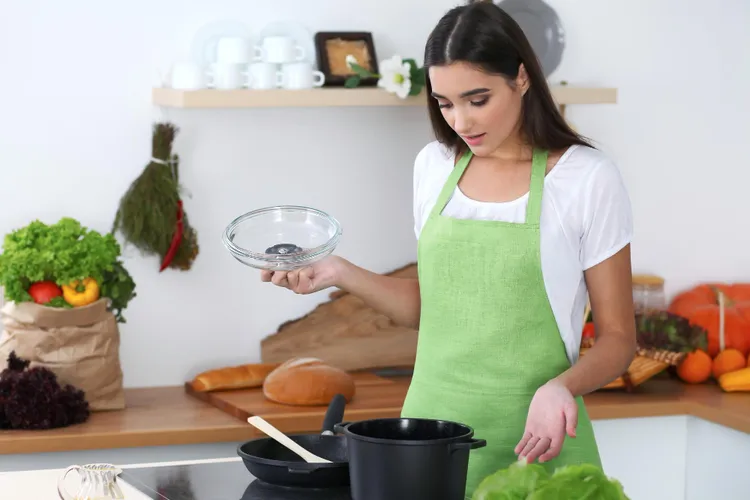
A sauce goes wrong fast. One minute it is glossy and smooth, the next it is watery, greasy, full of lumps, or grainy with curds. The good news is that each of these has a different cause, and each has a fix that usually takes a few minutes. The key is to name the problem correctly, because the wrong fix, like boiling a split sauce, makes it worse.
- Too thin: simmer it down, or whisk in a starch slurry or a flour and butter paste, then simmer 1 to 2 minutes.
- Split (greasy or separated): take it off the heat, then whisk it slowly into a fresh yolk, a spoonful of warm water, or a little cold cream or butter.
- Lumpy: whisk hard, then strain through a fine sieve or blend with an immersion blender. Simmer a few minutes to cook out the raw starch.
- Curdled: pull it off the heat right away, blend or whisk it smooth, and stir in a splash of cold cream. If the whole pot is grainy or scrambled, start over.
First Steps for Any Sauce Emergency
- Take the pan off the heat. Most sauce problems get worse with every extra second of heat.
- Do not add things at random. Work out whether the sauce is thin, split, lumpy, or curdled before you reach for anything.
- Move some to a clean bowl or pan. Fix a small portion first. If the fix works, scale it up. If it does not, you have not ruined the whole batch.
- Taste before you season. Thinning, reducing, and thickening all change how salty a sauce tastes.
Problem 1: The Sauce Is Too Thin
A thin sauce has too much water for the amount of starch, protein, or fat holding it together. Either the liquid never reduced enough, or there was not enough thickener to begin with. Remember that many sauces thicken as they cool, so give it a minute off the heat before deciding it is too thin.
Fix it, in this order
- Reduce it. Simmer uncovered in a wide pan. A wider surface evaporates water faster than a tall, narrow pot. This also concentrates flavor, but it concentrates salt too, so season at the end.
- Use a cornstarch slurry. Mix 1 teaspoon of cornstarch with 2 teaspoons of cold water per 250 ml (1 cup) of sauce for a modest boost, up to about 1 tablespoon for a noticeably thick sauce. Whisk it in and simmer gently for 1 to 2 minutes. Cornstarch needs to reach a simmer to thicken, and boiling it for a long time can make it thin out again.
- Use a flour and butter paste. Knead equal parts soft butter and flour into a paste, then whisk in small pieces. About 1 tablespoon of each thickens roughly 250 ml lightly. Simmer for 2 to 3 minutes so the flour does not taste raw.
- Use arrowroot for a clear, glossy finish. It works well in fruit sauces and acidic sauces, but it does not like long boiling and can turn slimy in dairy.
- Use what is already in the sauce. Blend in a few spoonfuls of cooked vegetables, beans, or potato, stir in tomato paste, or add a handful of grated Parmesan. For pasta sauces, a ladle of starchy pasta water helps the sauce cling to the noodles.
Add thickener in small amounts. It is much easier to add more than to rescue a sauce that has turned gluey.
Problem 2: The Sauce Has Split
A split sauce is an emulsion that has fallen apart. Hollandaise, mayonnaise, beurre blanc, vinaigrette, and many pan sauces are tiny droplets of fat held in water. When the sauce gets too hot, too cold, or gets too much fat too quickly, the droplets merge and you see oily puddles or a curdled, grainy look.
Egg yolk proteins start to set at around 65 to 70°C (150 to 160°F), which is why hollandaise breaks so easily on the stove. Butter-based sauces hold best warm, not hot, at roughly 50 to 60°C (120 to 140°F).
Hollandaise and mayonnaise
- Take the bowl off the heat.
- In a clean bowl, whisk a fresh egg yolk with a teaspoon of lemon juice, or just a spoonful of warm water.
- Drip the broken sauce into it a few drops at a time, whisking constantly. Once it starts to thicken, you can add it more quickly.
For a hollandaise that is only slightly grainy, a few seconds with an immersion blender can bring it back. If it has actually scrambled into curds, it cannot be saved.
Butter sauces and pan sauces
Take the pan off the heat and whisk in a spoonful of cold water or cold cream. For a pan sauce, return it to very low heat and whisk in small cubes of cold butter one at a time. Pan sauces built on the browned bits after cooking something like pan-roasted chicken thighs split easily if the butter goes in while the pan is still hot.
Vinaigrette
Whisk a teaspoon of mustard or a spoonful of water in a clean bowl. Slowly drizzle the split dressing in while whisking. Mustard acts as an emulsifier, so it also helps the dressing stay together longer.
Cheese sauce
A cheese sauce goes greasy when it is overheated or when the cheese goes in too fast. Take it off the heat and whisk in a splash of warm milk. If that is not enough, stir a teaspoon of cornstarch into a spoonful of cold milk and whisk it in, then warm it gently. Next time, add the cheese in small handfuls over low heat.
Problem 3: The Sauce Is Lumpy
Lumps happen when dry starch hits liquid too fast. The outside of each clump swells into a gel and traps dry flour inside, and that shell keeps the liquid from reaching it. This is common in white sauce, gravy, and cornstarch-thickened sauces.
Fix it
- Whisk hard. A balloon whisk breaks up small lumps in a minute or two.
- Strain it. Pour the sauce through a fine-mesh sieve, pressing with the back of a spoon. This is the most reliable fix for stubborn lumps.
- Blend it. An immersion blender smooths a thick sauce in seconds. Keep the blade below the surface so it does not splatter hot sauce.
- Simmer again. Cook for 3 to 5 minutes after fixing the lumps so the starch cooks through and the sauce does not taste of raw flour.
If the lumps are bits of cheese or egg instead of flour, they will not break up with a whisk. Strain or blend, and lower the heat.
How to prevent lumps
- Cook flour in fat first and add liquid gradually, whisking as you go. Warm milk blends in more easily than cold.
- Always mix cornstarch with cold water before it goes into hot liquid.
- Never sprinkle dry starch straight onto a hot sauce.
Problem 4: The Sauce Has Curdled
Milk and cream curdle when the proteins clump together. Heat, acid, and salt all push them that way, which is why cream sauces with wine, lemon, or tomatoes are the usual victims. Low-fat dairy curdles more easily than full-fat cream, because fat protects the proteins.
Curdled dairy sauce
- Take it off the heat immediately.
- Whisk in a splash of cold cream or cold milk to bring the temperature down.
- If it is only slightly grainy, blend with an immersion blender or strain through a sieve.
- If the sauce has clearly separated into curds and watery liquid, blending will make it smooth, but the texture may stay slightly grainy. That works for soups, but not for a delicate sauce.
Curdled egg sauce or custard
Egg-thickened sauces and custards set at around 77 to 82°C (170 to 180°F) and scramble just above that. If you see the first small flecks, plunge the base of the pan into a bowl of ice water and whisk fast. Then strain or blend. If it has fully scrambled, it is too late. Use it in something else, like a baked bread pudding, and start again.
Coconut milk
Coconut milk often looks split when it simmers hard, with oil pooling on top. This is mostly cosmetic. Lower the heat and stir, and it will look better. The sauce is still fine to eat.
How to prevent curdling
- Use full-fat cream, at least 30 percent fat, in sauces that contain acid.
- Add dairy at the end, off the heat or on very low heat.
- Temper it: whisk a ladle of the hot sauce into the dairy first, then stir that back into the pot.
- For yogurt or sour cream, stir in a teaspoon of cornstarch first to stabilize it.
- Do not let a dairy sauce boil.
Sauce Rescue Myths
- "Boil it harder and it will come back together." No. Boiling breaks emulsions and curdles dairy faster.
- "Just add more flour." Dry flour sprinkled in makes lumps. Always use a slurry or a paste.
- "A curdled sauce is ruined." Not always. Slightly curdled sauces usually blend smooth. Fully scrambled egg does not.
- "Add cold water to fix anything." Water thins a sauce, so it only helps split emulsions, and then only a spoonful at a time.
When to Start Over
- Hollandaise or custard that has fully scrambled.
- A sauce that tastes burnt or acrid. No texture fix helps with flavor.
- A sauce with a dairy base that smells sour, not just looks curdled.
Here's What It All Comes Down To
- Name the problem first. Thin, split, lumpy, and curdled each need a different fix.
- Heat is the usual enemy. Take the pan off the heat before you do anything else.
- Thicken with a slurry or paste, never with dry flour or starch sprinkled in.
- Restart emulsions slowly. Whisk the split sauce into a fresh base a few drops at a time.
- Strain or blend lumps and curds, then use full-fat dairy and gentle heat next time.
Latest