How to Make Ceviche at Home (and Get the Leche de Tigre Right)
Ceviche is one of the great dishes of the Pacific coast - raw fish cured in lime juice, with chiles, onion, and cilantro. The leche de tigre (tiger's milk) is the intensely flavored marinade that makes it. Here's the technique, food safety notes, and Peruvian vs. other styles.
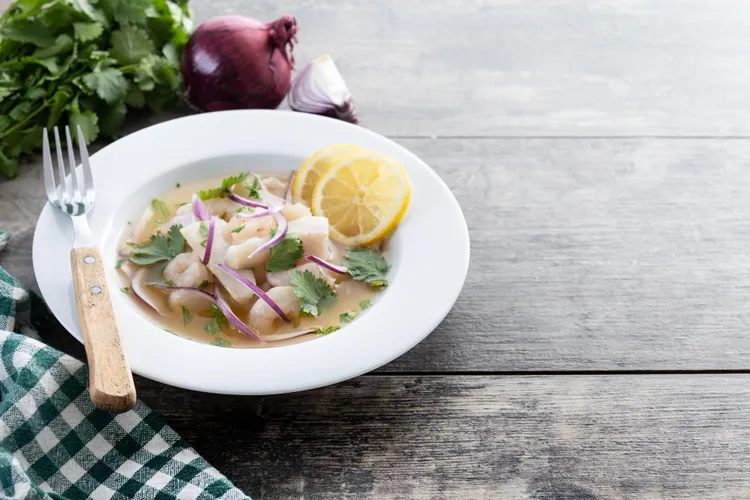
The science first: lime juice doesn't cook fish in the conventional sense - it denatures the proteins through acid rather than heat, changing the texture and color but not eliminating bacteria the way heat does. Good ceviche uses very fresh fish from a source you trust, and it's eaten the day it's made.
Choosing the Fish
In Peru, classic ceviche uses sea bass (corvina). Outside South America, any firm white saltwater fish works: snapper, halibut, sea bass, flounder, or mahi-mahi. The fish should be sushi-grade or as close to it as possible. Ask your fishmonger what's freshest that day. Avoid fish with a strong oily flavor (mackerel, sardines) for classic ceviche - save those for other preparations.
Cut into 1.5-2cm cubes. Uniform size is important for even curing.
The Leche de Tigre (Tiger's Milk)
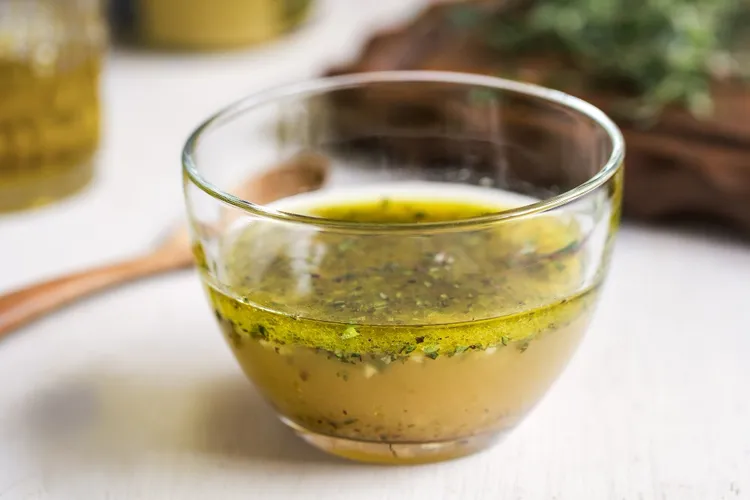
Leche de tigre is the curing marinade - a mixture of fresh lime juice, fish trimmings, ají amarillo, garlic, ginger, salt, and cilantro stems. In restaurants it's blended and strained to make a smooth, intensely flavored liquid. At home, a simplified version works well:
Ingredients for Leche de Tigre
- 120ml (1/2 cup) fresh lime juice (about 6-8 limes - freshly squeezed only, never bottled)
- 1 tbsp ají amarillo paste
- 1 clove garlic, minced
- 1/2 tsp fresh ginger, grated
- 1/4 tsp salt
- Cilantro stems from 1/2 bunch (reserve leaves for garnish)
- Optional: 2 tbsp cold fish stock or the natural liquid from the raw fish
Whisk together lime juice, ají amarillo paste, garlic, ginger, and salt. Add cilantro stems and let steep for 5 minutes, then remove stems. This is your leche de tigre.
Full Ceviche Recipe (serves 4)
Ingredients
- 500g (1.1lb) very fresh firm white fish, cubed
- Leche de tigre (recipe above)
- 1 red onion, paper-thin slices (prepared as for salsa criolla)
- 1-2 ají amarillo, sliced (or 1 tbsp paste)
- Fresh cilantro leaves, roughly torn
- Salt to taste
- Corn (choclo kernels) and sweet potato slices to serve
Instructions
- Soak the sliced red onion in cold salted water for 10 minutes, then drain and pat dry.
- Season the fish cubes lightly with salt and let rest for 3 minutes.
- Pour the leche de tigre over the fish. The lime juice should fully cover or nearly cover the fish. Toss gently.
- Cure time: 3-8 minutes depending on cube size and fish type. Thinner cuts need less time. The outside should be opaque but the interior still slightly translucent - this is correct.
- Add the sliced onion, ají amarillo slices, and cilantro. Toss once.
- Taste and adjust salt. Serve immediately on chilled plates.
- Garnish with boiled choclo (large-kernel corn) and boiled sweet potato slices. These are not garnish for decoration - they're there to eat with the ceviche, providing starch to balance the acid.
Food Safety
Lime juice does not kill all pathogens. Use the freshest possible fish, keep everything cold during prep, and eat ceviche the day it's made - ideally within two hours of preparation. If you are pregnant, immunocompromised, or serving to young children or the elderly, use heat-treated fish instead: poach briefly in salted water for 2 minutes until just cooked, cool completely, then proceed with the leche de tigre for flavor. The texture will be different but the dish is still very good.
Nutrition (per serving, fish only)
- Calories: ~180 kcal
- Protein: 28g
- Carbs: 6g
- Fat: 3g
Add approximately 80 kcal and 20g carbs per serving with corn and sweet potato accompaniments.
Variations: Beyond Peruvian
Ecuadorian ceviche is cooked rather than acid-cured and served in a tomato-based broth - closer to a soup. Mexican ceviche adds avocado, tomato, and cucumber, and is usually marinated longer. Colombian ceviche uses shrimp and includes ketchup in the base (more common than you'd expect along the coast). All are worth trying once you have the Peruvian version down.
Further Reading
Ceviche is part of a broader tradition of fresh, acid-forward Peruvian cooking that includes salsa criolla and ají amarillo-based sauces. For a complete overview of Peruvian and South American condiments, see our guide to South American condiments and cooking.
Latest