How Much Oregano Is Too Much? Getting the Balance Right
Oregano's potency relative to other herbs, and how to fix a dish where it's been overdone.
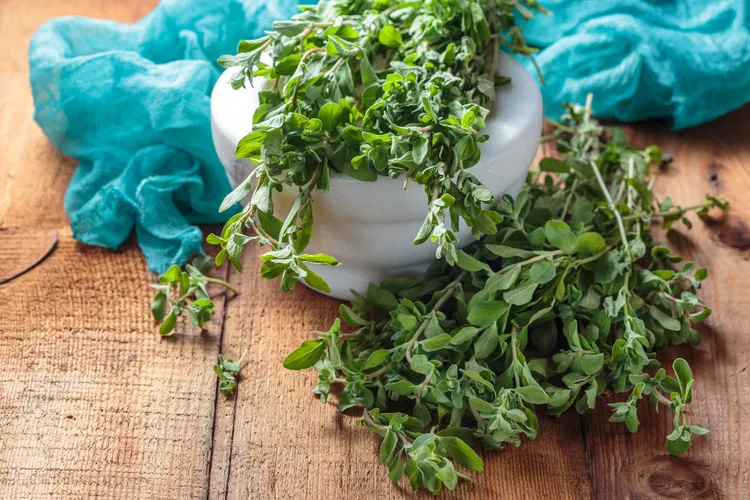
Oregano's reputation as a forgiving, hard-to-mess-up herb isn't entirely accurate, particularly with the dried form, which concentrates flavor in a way that catches a lot of home cooks off guard the first few times they measure it generously.
Why Oregano Is Easy to Overuse
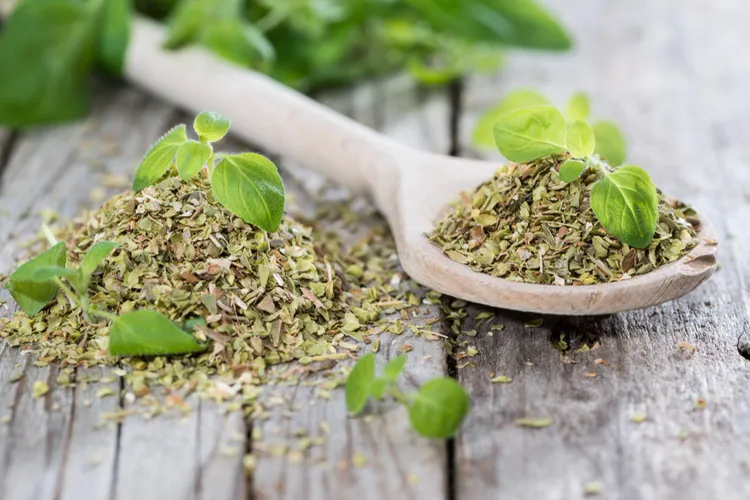
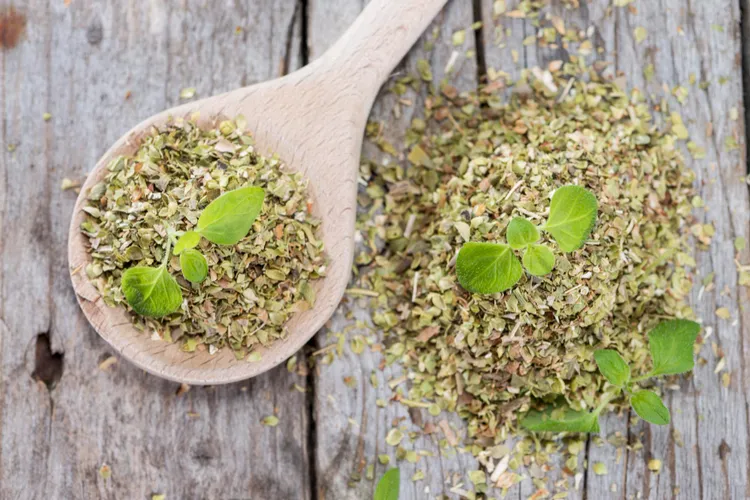
Because drying concentrates rather than dilutes oregano's aromatic compounds, a tablespoon of dried oregano carries a lot more punch than the same measured amount of a typical fresh herb. Cooks accustomed to being generous with fresh basil or parsley sometimes apply the same instinct to dried oregano and end up with a dish that tastes sharp, medicinal, or overwhelmingly herbal rather than balanced.
A Rough Guide to Quantity
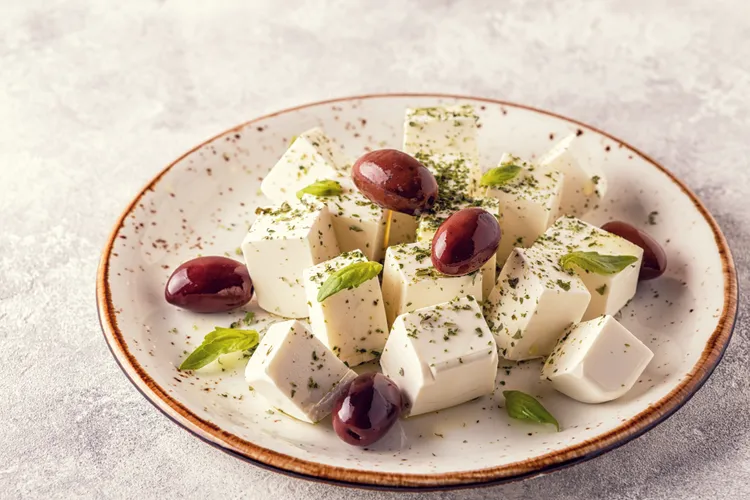
As a general starting point for a dish serving 4, 1/2 to 1 teaspoon of dried oregano is usually enough to provide a noticeable, well-integrated presence without dominating. Bolder dishes, a proper Greek salad or a hearty chili, can reasonably go a bit higher, closer to 1 to 2 teaspoons, given their other robust flavors. A more delicate dish should stay conservative, closer to the lower end of that range or even less.
Signs a Dish Has Too Much Oregano
- A bitter or slightly medicinal aftertaste that lingers
- A dish that tastes generically "herby" rather than letting its other core flavors, tomato, protein, other vegetables, come through
- A gritty texture from dried oregano flakes if a large quantity was used in an application that doesn't fully dissolve or rehydrate it
Fixing an Over-Oregano'd Dish
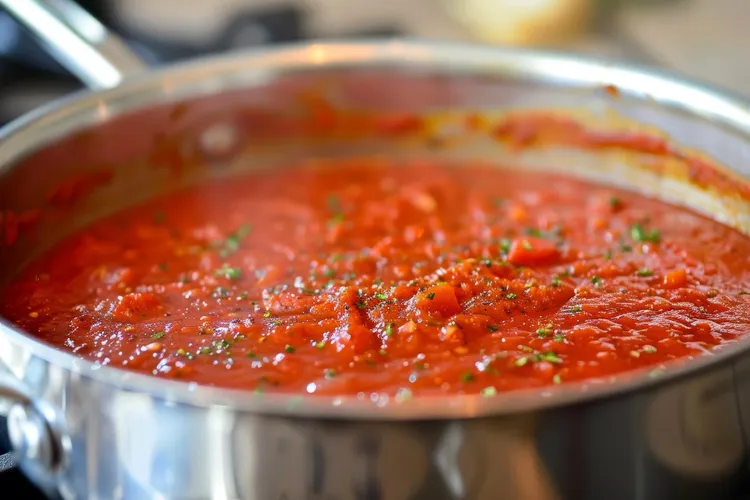
For a soup, sauce, or stew, diluting with additional stock, tomatoes, or the base ingredient can rebalance the ratio without starting over. A small amount of added acid, a splash of lemon juice or vinegar, or a touch of sweetness can help mute an overly sharp oregano flavor, similar to the fixes that work for an over-sage'd dish. For a dry rub or marinade already applied to a protein, there's less room to dilute after the fact; pairing the dish with a mild, unseasoned side, like plain rice or bread, can help balance the meal overall even if the protein itself can't be adjusted.
Building Confidence With Oregano Over Time
If a recipe consistently turns out too oregano-forward, reduce the called-for amount by a third to a half the next time and adjust based on your own palate. Oregano's potency also varies by age and brand, a fresher jar delivers more flavor per measured amount than an older one, so the "right" quantity isn't always identical between different jars.
How Potency Varies by Preparation
Oregano used whole (as dried leaves rather than ground) tends to release its flavor more gradually than a finely ground version, which delivers its full intensity almost immediately. This means a recipe written with ground oregano in mind might taste under-seasoned if substituted with an equal measure of whole dried leaves, or overwhelming if the reverse substitution is made without adjustment. Crushing whole dried oregano between your fingers just before adding it to a dish is a reasonable middle ground, releasing more flavor than leaving it whole while still avoiding the intensity of a fully ground version.
Common Mistakes
- Applying a fresh-herb mindset to dried oregano. Being generous the way you might with fresh basil doesn't translate well to dried oregano's concentrated form.
- Not accounting for oregano already present in a spice blend. If a recipe uses both a store-bought or homemade Italian seasoning and additional plain oregano, it's easy to lose track of the cumulative amount.
- Assuming Mexican and Mediterranean oregano are equally potent. Mexican oregano is often described as more assertive; see Mexican Oregano vs Mediterranean Oregano for more on this difference.
- Not accounting for whole versus ground oregano's different release rates. A ground version delivers its flavor faster and more completely than an equal measure of whole dried leaves.
Frequently Asked Questions
Is it easier to overuse dried or fresh oregano?
Dried, by a wide margin, given how much more concentrated it is per measured volume; always be more conservative with dried oregano than intuition based on fresh herbs would suggest.
Does cooking longer make an overly oregano-forward dish taste stronger or milder?
Generally stronger up to a point, as more of the oil is extracted into the dish, though very prolonged cooking can eventually mellow some of the sharper notes.
Can I balance too much oregano with other herbs instead of diluting the dish?
To a limited degree; milder herbs added at the end, like fresh parsley or basil, can help round out an overly oregano-forward dish, though this works better as a minor adjustment than a full fix.
Does the "how much is too much" answer change for a big-batch recipe?
Not proportionally different in principle, though it's worth tasting a big batch at multiple points during cooking rather than assuming a simple linear scale-up of a smaller recipe's amount will taste identical.
When in doubt, start with less oregano than a recipe calls for, taste, and add more gradually, especially with dried. See Oregano Substitutes if a dish needs rescuing and a milder herb feels like the more practical fix in the moment. Keeping this in mind while planning a weekly meal plan around oregano-forward dishes helps avoid a repeated pattern of over-seasoning across several meals in a row.
Latest