Oregano Substitutes: What to Use When You're Out
What actually stands in for oregano's flavor in a pinch, and which common substitutes fall short.
Oregano's flavor isn't easy to replicate exactly, and the right substitute depends partly on which oregano a recipe actually called for, Mediterranean or Mexican, since they don't share a single obvious stand-in.
Best Substitute for Mediterranean Oregano: Marjoram
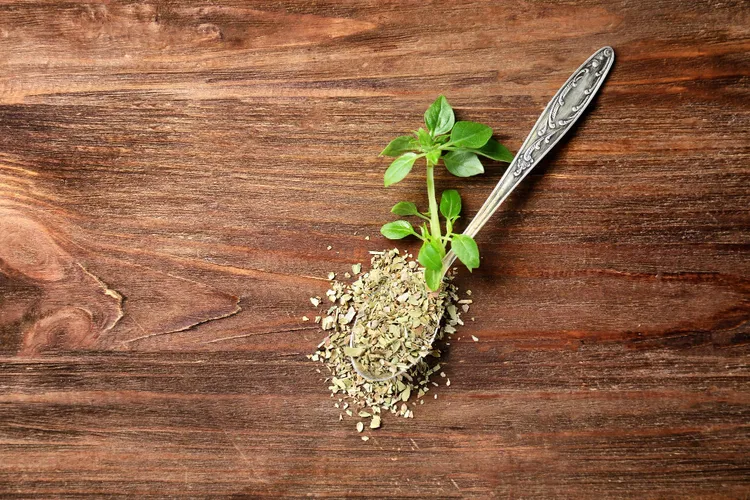
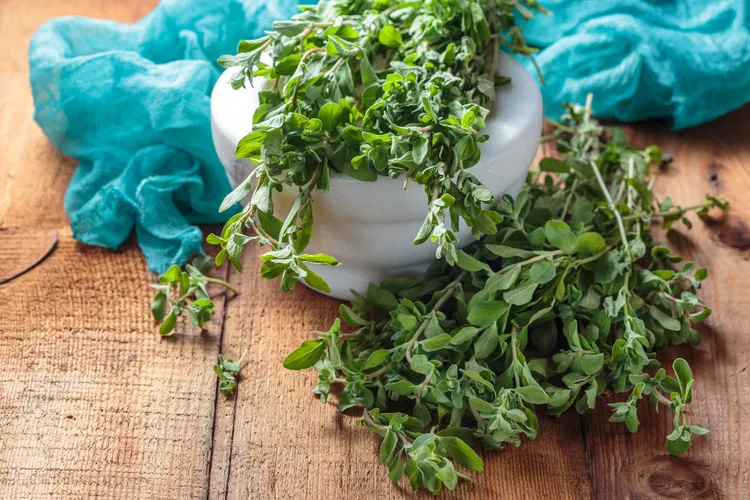
Marjoram is oregano's closest botanical relative and the single best substitute available for Mediterranean oregano specifically. It's milder and slightly sweeter, without oregano's sharper, more peppery edge, so use a bit more than the oregano called for, roughly 1.5 times the amount, to compensate for its gentler flavor.
Good in a Pinch for Mediterranean Oregano: Thyme or Basil
Thyme shares some of oregano's earthy, herbaceous character and works reasonably well in soups, stews, and roasted dishes at a similar quantity. Dried basil, while quite different in flavor character, can work in a tomato-based Italian sauce specifically, where its sweetness complements the tomato base even without oregano's exact boldness; this is a more dish-specific substitute than a general-purpose one.
Best Substitute for Mexican Oregano: A Blend
There's no single herb that closely replicates Mexican oregano's citrusy, earthy flavor. A reasonable approximation combines a small amount of marjoram with a pinch of ground cumin and a touch of dried basil, though this is an approximation rather than a close match. In a genuine pinch, Mediterranean oregano is a workable substitute for Mexican oregano in most Tex-Mex dishes, even though the flavor shifts noticeably, as covered in Mexican Oregano vs Mediterranean Oregano.
Doesn't Work Well: Dill or Sage
Despite occasionally appearing on generic herb substitute lists, both dill and sage have flavor profiles too far removed from oregano's warm, peppery character to work convincingly. Dill is bright and grassy in a completely different direction; sage is bold but in a resinous, distinctly different way that doesn't read as oregano in a finished dish.
Choosing a Substitute Based on the Dish
- Italian tomato sauce or pizza: marjoram (increased amount) or dried basil in a pinch
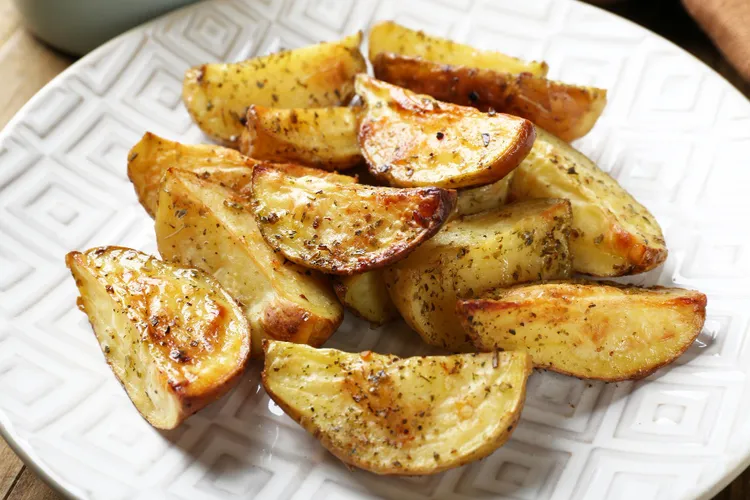
- Greek dishes (lemon potatoes, horiatiki): marjoram, though the flavor will read as noticeably milder than a dish traditionally built around oregano's boldness
- Chili, tacos, Mexican dishes: Mediterranean oregano is the most practical substitute despite the flavor shift, since a true Mexican oregano replacement doesn't really exist
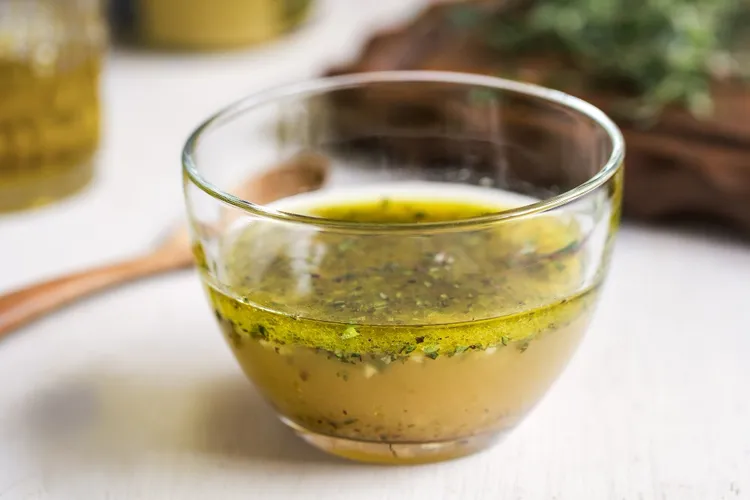
- A dressing or marinade: marjoram or a small amount of thyme, both of which work reasonably well in a raw application
Building a Substitute Kit for Regular Cooking
If oregano substitutions come up often enough to be worth planning for, keeping marjoram, dried basil, and dried thyme on hand covers the majority of Mediterranean oregano substitution needs across different dish types. For Mexican oregano specifically, there isn't a similarly complete substitute kit, which is part of why sourcing the real thing, even if it means an occasional trip to a specialty grocery store, is often the more satisfying long-term solution for households that cook Mexican food regularly.
Common Mistakes
- Substituting at a 1:1 ratio regardless of the herb's relative strength. Marjoram in particular is milder than oregano and often needs a slightly larger amount to compensate.
- Using the wrong substitute strategy for the wrong oregano variety. A substitute built for Mediterranean oregano doesn't necessarily work as well for a dish that specifically needed Mexican oregano's citrusy character.
- Assuming any "Mediterranean herb" works as an oregano substitute. Rosemary, for instance, is a Mediterranean herb but has a flavor profile too different from oregano to substitute well in most dishes.
- Not tasting and adjusting after substituting. Since no substitute is a perfect match, taste the dish partway through and adjust seasoning as needed rather than assuming the substitution alone will produce an identical result.
Frequently Asked Questions
Can dried oregano substitute for fresh, or vice versa?
Yes, this is the most direct substitution available; see How to Substitute Fresh Oregano for Dried for the actual ratios, which shift depending on the dish's cooking method.
Is there a good single-herb substitute for Mexican oregano?
Not really; its citrusy, earthy profile is fairly unique, and any single substitute will fall noticeably short. A blend approach, or accepting Mediterranean oregano's different flavor, are the two most practical options.
What if a recipe calls for Italian seasoning and I don't have oregano for a homemade blend?
Marjoram can stand in for the oregano component in a homemade Italian seasoning blend like the one in Homemade Italian Seasoning Blend, using a somewhat larger amount to compensate for its milder character.
Is there a substitute that works for both Mediterranean and Mexican oregano equally well?
Not really; the two varieties' flavor profiles are different enough that a substitute chosen for one won't serve the other equally well, which is part of why identifying which oregano a recipe actually needs matters before reaching for a substitute at all.
Keep a jar of both oregano varieties, or at minimum Mediterranean oregano and marjoram, stocked if oregano-forward cooking is a regular part of a household's routine, since this covers most substitute situations more reliably than reaching for an unrelated herb. Planning a grocery list around a specific recipe's oregano needs, rather than assuming a substitute will be close enough, gives the most reliable result for dishes where oregano plays a starring role in a weekly meal plan.
Latest