How to Freeze, Dehydrate, and Ferment Potatoes at Home
Blanching before freezing, dehydrating for hash browns/chips, and fermentation notes.
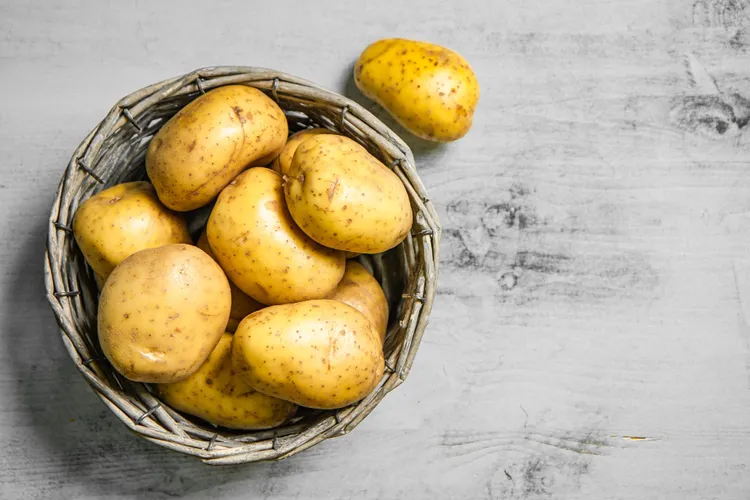
Fresh cool storage only carries a potato harvest so far. For a genuine surplus, freezing, dehydrating, and (less commonly) fermenting all extend shelf life well beyond what a pantry or root cellar can manage.
Why Raw Potatoes Can't Just Go in the Freezer
Freezing a raw, unblanched potato produces a mushy, watery, unpleasant texture on thawing, for two combined reasons. First, ice crystals form inside the potato's cells as it freezes and physically rupture the cell walls, which is what causes the mushiness on thawing. Second, an enzyme called polyphenol oxidase keeps working even at freezer temperatures, slowly causing discoloration and off flavors over the weeks the potato sits frozen. Blanching, briefly boiling before freezing, deactivates that enzyme and solves the second problem; it doesn't prevent the ice-crystal cell damage entirely, but it's still the standard, necessary step before freezing raw-cut potatoes.
Blanching and Freezing Method
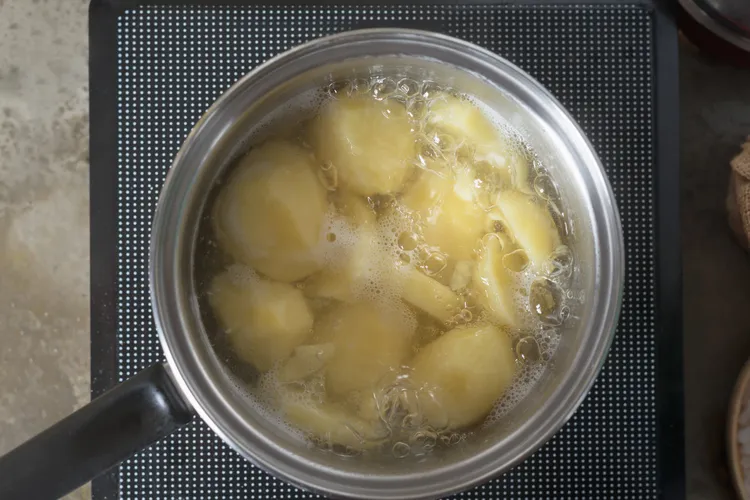
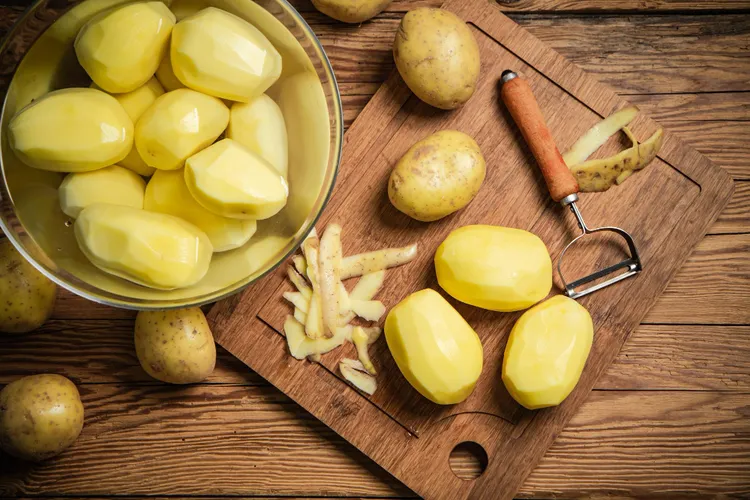
Peel and cut potatoes into the shape you'll want later (fries, cubes, or shreds for hash browns), then blanch in boiling water for 3-5 minutes depending on cut size, just enough to deactivate the enzyme without fully cooking through. Immediately transfer to an ice bath to stop the cooking, then drain and pat thoroughly dry. Spread pieces in a single layer on a tray and freeze until solid before transferring to a freezer bag; this prevents them from clumping into one solid mass. Frozen this way, cut potatoes keep well for 10-12 months.
Freezing Cooked Potato Dishes
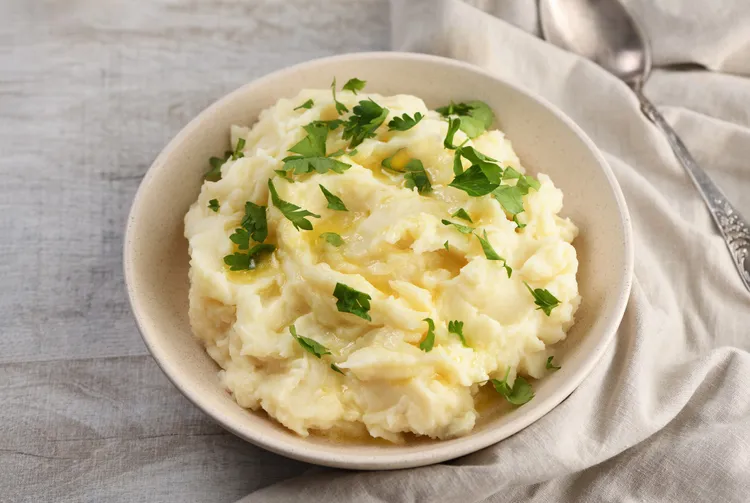
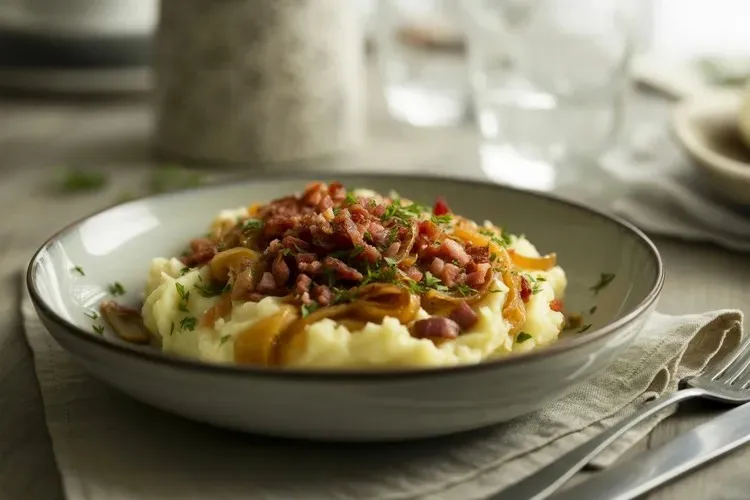
Fully cooked potato dishes, mashed potatoes, gratins, casseroles, freeze more forgivingly than raw cut potatoes, since the starch has already gelatinized and the texture change on freezing is less dramatic. Mashed potatoes in particular can lose a bit of their original creaminess after freezing and reheating, but remain perfectly usable, especially if a splash of extra milk or butter is worked in during reheating to restore some smoothness.
Dehydrating
Dehydrating trades some texture for a dramatic reduction in storage space and an even longer shelf life, often a year or more stored in an airtight container in a cool, dark spot. Blanch cut or shredded potatoes the same way as for freezing, then dry in a food dehydrator or a low oven (around 135-150°F) until fully dry and brittle, which can take anywhere from 6-12 hours depending on thickness and method. Shredded, dehydrated potato rehydrates well for hash browns; thin dehydrated slices make a reasonable base for homemade chips, though they won't have quite the texture of a fresh-fried chip.
Fermenting: The Less Common Option
Fermenting potatoes is far less common than fermenting most other vegetables, largely because their low natural acidity and dense structure make them slower and less reliable to ferment safely compared to something like cabbage or cucumbers. Where it does appear, it's typically in traditional Northern and Eastern European preparations, often combined with other ingredients rather than fermented alone. For most home preservation purposes, freezing or dehydrating are the more practical and reliable routes for a potato surplus.
Where This Fits
Preservation is generally the last resort after cool storage, covered in How to Store Potatoes So They Last for Months, since properly stored fresh potatoes hold their texture and flavor better than any frozen or dehydrated version. Preservation is worth reaching for once a harvest genuinely exceeds what cool storage can hold for the season.
Latest