How to Grow Potatoes: A Season-by-Season Planting Guide
Soil prep, hilling, watering, and timing from planting to bloom, for garden beds or containers.
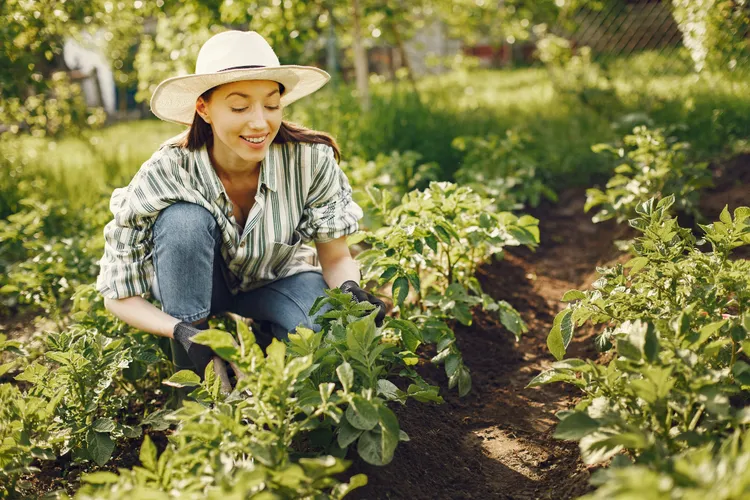
Potatoes are one of the more forgiving crops to grow, but a handful of technique details separate a mediocre yield from a genuinely good one, and most of it comes down to timing and hilling.
Soil Preparation
Potatoes want loose, well-draining soil with a slightly acidic pH, roughly 5.0 to 6.5. Heavy clay compacts around developing tubers and produces small, misshapen potatoes, so work in compost or aged manure a few weeks before planting if your soil is dense. Avoid fresh manure or heavy lime applications right before planting; both can encourage a disease called potato scab, which leaves rough, corky patches on the skin. It's cosmetic rather than dangerous, but it's avoidable.
When and How to Plant
Plant seed pieces roughly two to three weeks before your area's last expected frost date, once soil has warmed to at least 45-50°F. Potatoes can tolerate a light frost on emerging foliage, but a hard freeze will kill new growth back to the ground, though the plant will often resprout from the seed piece's remaining energy.
Set seed pieces about 3 inches deep, cut side down and eyes facing up, spaced 12 inches apart within rows, with rows 2.5 to 3 feet apart. That row spacing isn't just for walking room; it leaves space for hilling soil up around the plants as they grow.
Hilling: The Technique That Makes or Breaks Yield
Hilling is the single most important ongoing task in growing potatoes. As the plant reaches 6-8 inches tall, mound soil, straw, or mulch up around the base of the stem, covering the lower few inches and leaving only the top leaves exposed. Repeat this every two to three weeks as the plant continues growing, building a wide, low ridge along the row.
Tubers form along the buried stem above the original seed piece, not below it, so hilling directly increases how many potatoes a single plant produces and keeps developing tubers covered from sunlight. Sun-exposed tubers turn green and develop solanine, a bitter, mildly toxic compound, which is the same reaction that happens to improperly stored potatoes. A well-hilled row should have no tubers visible at the soil surface by harvest time.
Watering
Potatoes need the most consistent moisture during tuber formation, roughly six to ten weeks after planting, coinciding with flowering. About 1-2 inches of water per week, from rain or irrigation, is a reasonable target during this window. Inconsistent watering here, particularly a dry spell followed by heavy watering, is the leading cause of hollow heart, a void or cavity that forms inside the tuber when growth suddenly accelerates after being checked by drought.
Pests and Disease to Watch For
Colorado potato beetles are the most common visible pest; check the undersides of leaves for their distinctive orange egg clusters and yellow-and-black striped larvae, and hand-pick early before populations build. Early blight and late blight show up as dark spots or lesions on leaves, spreading in humid conditions; good airflow from proper spacing and avoiding overhead watering late in the day both help reduce risk.
From Flowering to Harvest
Flowering roughly coincides with the start of tuber bulking. Small "new" potatoes can be harvested gently from the edges of the hill once flowering begins, without disturbing the whole plant. For the full range of harvest timing, from new potatoes through full maturity, see When and How to Harvest Potatoes. If you're working with limited space rather than garden rows, the same hilling principle applies in containers; see Growing Potatoes in Containers and Small Spaces.
Latest