When and How to Harvest Potatoes for Peak Flavor
Reading die-back signs, curing new potatoes vs. storage potatoes, digging technique that avoids bruising.
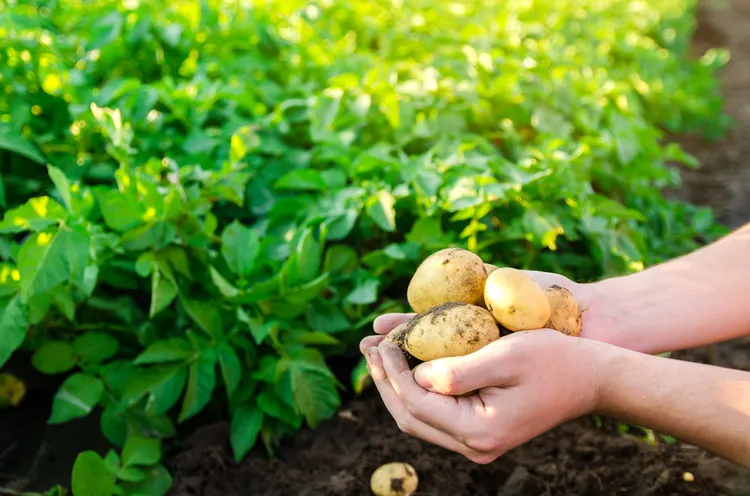
Digging potatoes too early sacrifices yield; digging too late, especially in wet soil, invites rot before they ever reach storage. Reading the plant correctly is most of the skill here.
New Potatoes vs. Storage Potatoes
These aren't different varieties, they're different harvest timings of the same plant. "New" potatoes are harvested early, usually once the plant begins flowering, while the plant is still green and actively growing. They have thin, delicate skins that rub off easily, a higher water content, and a sweeter, more delicate flavor, but they don't store well; plan to eat them within a week or two.
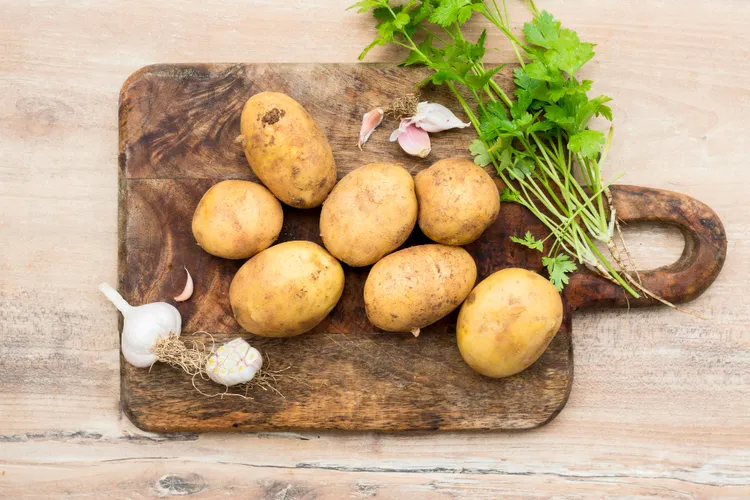
Storage or "main crop" potatoes are left in the ground until the foliage yellows and dies back on its own, which gives the skin time to thicken and toughen, the trait that allows them to keep for months in the right conditions.
Reading Die-Back
The clearest signal for main-crop harvest is the foliage itself: as the plant reaches maturity, leaves yellow, then brown, then collapse. Once most of the foliage has died back, stop watering and let the soil dry out somewhat for one to two weeks before digging. This dry period does double duty: it lets the skins thicken further and reduces the amount of mud and moisture clinging to tubers at harvest, which helps them cure faster afterward.
Digging in wet soil right after rain is worth avoiding if the schedule allows; wet-harvested potatoes are more prone to nicks, bruising, and the fungal and bacterial issues that show up in storage.
Digging Technique
Use a garden fork rather than a shovel, and start digging a wide circle 12-18 inches out from the base of the plant rather than close to the stem, since tubers can spread further than expected. Work the fork in at an angle and lift gently rather than stabbing straight down, which is the main cause of forked or sliced tubers. Once the main clump is loosened, sift through the surrounding soil by hand; potatoes hide, and a surprising number get left behind by growers who stop after pulling the obvious cluster.
Handle harvested potatoes gently. Even minor bruising and impact damage, invisible at first, becomes an entry point for rot organisms over weeks of storage. Set dug potatoes down rather than tossing them into a bucket or wheelbarrow.
Curing Before Storage
Freshly dug main-crop potatoes benefit from curing before they go into long-term storage: one to two weeks in a spot that's slightly warmer and more humid than final storage, around 50-60°F with good airflow, out of direct light. This heals over small nicks and toughens the skin further, meaningfully reducing storage losses. Full long-term storage conditions and setup, including apartment-friendly options, are covered in How to Store Potatoes So They Last for Months.
Latest