How to Store Black Garlic to Keep It Fresh
Black garlic is more shelf-stable than raw garlic but still requires proper storage to maintain its texture and flavor. Here's how long it keeps in each format - whole bulbs, peeled cloves, paste, and frozen - and what goes wrong if you store it incorrectly.
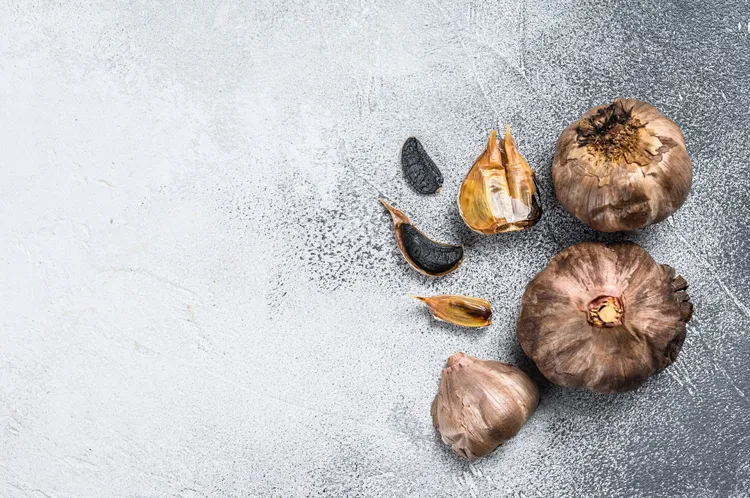
One of the practical advantages of black garlic is its extended shelf life compared to raw garlic. The fermentation process has already done significant preservation work. But improper storage still leads to quality loss - texture turns rubbery, flavor flattens, and in wet conditions, mold can develop.
Whole Unpeeled Bulbs
Best storage: Cool, dry, well-ventilated spot - a pantry shelf, countertop in a cool kitchen, or a garlic keeper is ideal.
- Room temperature: 1-2 months
- Refrigerated: Up to 3 months
Whole bulbs keep best when not refrigerated - the fridge can introduce excess moisture and cause the outer skins to become damp. However, if your kitchen is warm and humid, the fridge is the better option.
Peeled Cloves
Best storage: Airtight container in the refrigerator.
- Refrigerated in a sealed container: 2-3 weeks
- At room temperature: 1-2 weeks (less ideal, especially in summer)
Once peeled, keep cloves dry. Moisture accelerates deterioration and can lead to soft, slimy cloves. If you notice any white fuzzy growth, discard. The stickiness of black garlic makes it attract debris - a clean container matters.
Black Garlic Paste
Best storage: Small glass jar, airtight, in the refrigerator. A thin layer of olive oil on top of the paste acts as a barrier and extends shelf life.
- Refrigerated (no oil layer): 2-3 weeks
- Refrigerated (with oil layer): 3-4 weeks
- Frozen: Up to 3 months
Paste is the most practical storage format if you cook with black garlic regularly. Making a full batch of black garlic paste from a whole bulb takes 5 minutes and means you always have the ingredient ready to scoop.
Frozen Black Garlic
Black garlic freezes well with minimal quality loss. The texture changes slightly upon thawing (becomes softer), but this is usually irrelevant since it's going into a sauce or blend anyway.
How to freeze:
- Whole cloves: Spread on a tray to freeze individually, then transfer to a freezer bag. Use from frozen or thaw in the fridge overnight.
- Paste: Portion into a silicone ice cube tray (1 tsp or 1 tbsp portions). Pop out frozen cubes and store in a freezer bag. Use straight from frozen in sauces and soups.
- Whole bulbs: Wrap tightly in cling film and freeze. Good for 3+ months.
Black Garlic Compound Butter
Stored as a rolled log in the fridge: 2-3 weeks. Frozen: up to 3 months. Slice coins directly from frozen and return the rest - no need to thaw the whole log. Full method in the compound butter article.
Signs of Deterioration
- Rubbery texture: Dried out. Still safe but flavor has diminished. Use in cooked applications where texture matters less.
- Slimy texture: Excess moisture or beginning of spoilage. If accompanied by an off smell, discard.
- White fuzzy growth: Mold. Discard the affected cloves and any nearby ones.
- Very flat flavor: Old product. Not harmful but not worth using for the primary flavor note - fine for a background braise.
Buying for Storage
If you buy in bulk (which makes economic sense - see where to buy black garlic), process most of it into paste and freeze in portions. This converts a perishable ingredient into a stable 3-month supply. For all the ways to put your well-stored black garlic to use, the complete black garlic guide covers every application.
Latest