How to Store Tahini (And Fix Separated Tahini)
How to store tahini properly, why it separates, and how to bring a separated jar back to a smooth, usable consistency.
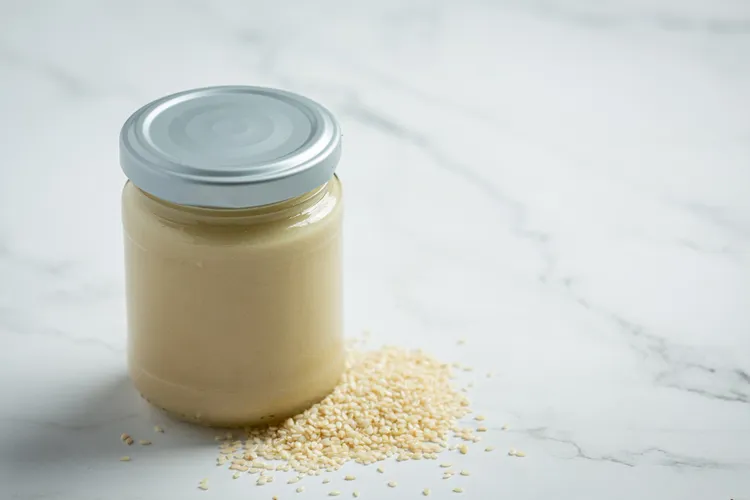
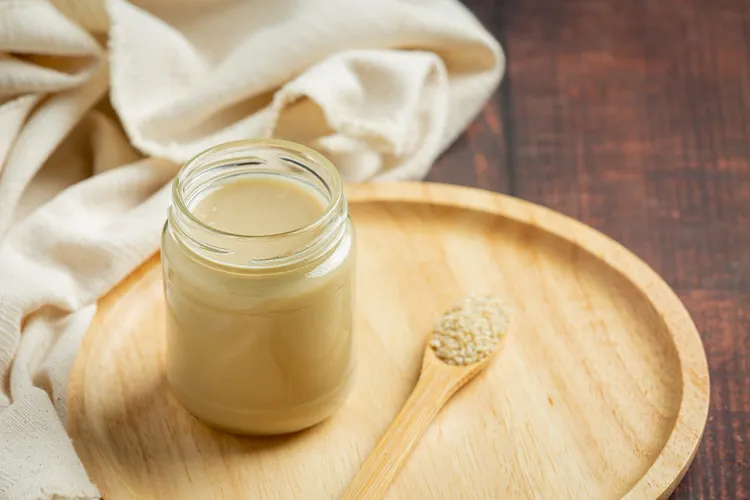
Tahini's biggest practical annoyance is separation - the oil rises to the top and the paste sinks to the bottom, and a jar left alone for a few weeks can turn into something that looks more like a science experiment than an ingredient. None of this means the tahini has gone bad. It just needs the right storage and a bit of technique to bring back together.
Why Tahini Separates
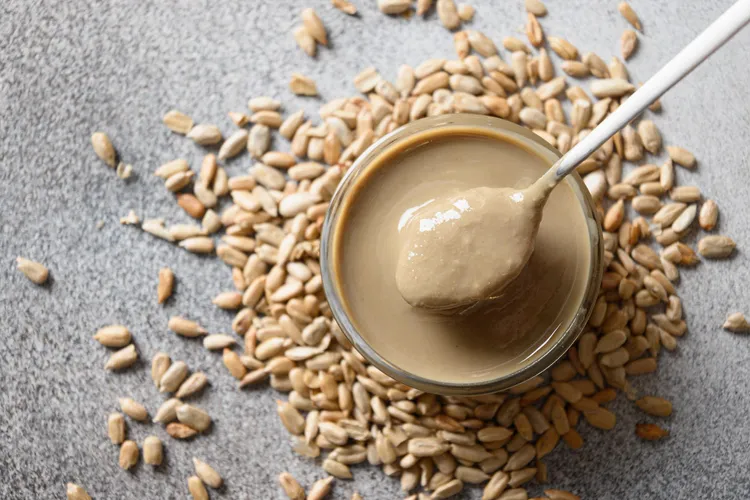
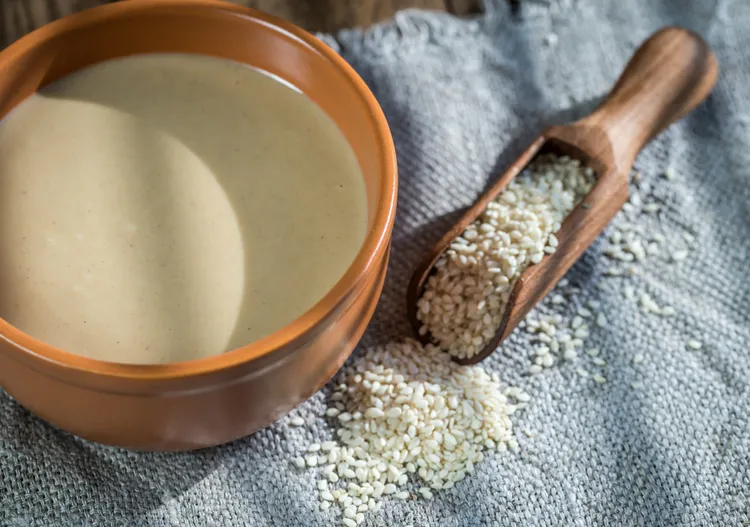
Tahini has no added stabilizers in a well-made jar, which means the natural oil released during grinding will separate from the denser sesame solids over time, the same way natural peanut butter does. This is completely normal and not a sign of spoilage - it's actually a decent indicator that the tahini doesn't have artificial stabilizers keeping it artificially uniform.
Pantry or Fridge?
An unopened jar of tahini keeps well in a cool, dark pantry for months, often close to a year given its low moisture content. Once opened, it depends on how quickly you'll use it: for a jar that will be used within a month or two, the pantry is fine and keeps the tahini more pourable. For longer-term storage, or in a warm kitchen, the fridge slows down oxidation and rancidity, though it also makes the tahini considerably thicker and harder to stir - expect to let it sit at room temperature for a few minutes before using cold tahini in a recipe.
How to Recombine Separated Tahini
- Before opening a new jar, or after it's been sitting a while, stir it thoroughly with a butter knife or the handle of a spoon, working from the bottom up rather than just skimming the top oil around.
- For a jar that's separated badly and resists stirring, warm it slightly first - a few seconds in a bowl of warm water around the jar (not the microwave, and not with the lid on if it's glass) softens the solids enough to blend back in more easily.
- Once combined, use immediately or transfer to an airtight container if the original jar's seal is compromised.
Signs Tahini Has Actually Gone Bad
Separation is normal; genuine spoilage is different and less common given tahini's low moisture content. Watch for a sharp, distinctly rancid smell (different from tahini's normal nutty bitterness), visible mold, or an off flavor that doesn't resolve after stirring. If any of those show up, the jar should be discarded rather than salvaged.
How Long an Opened Jar Lasts
An opened jar of tahini, stored properly, generally stays good for 3 to 6 months in the pantry or up to a year in the fridge, though flavor and texture are usually best within the first few months. Buying a jar size that matches how often you actually cook with tahini avoids the slow decline of a jar that sits mostly untouched for a year.
Freezing Tahini
Tahini can be frozen, though it's rarely necessary given its already-long shelf life. If freezing, portion it into smaller containers or an ice cube tray for easier thawing in usable amounts, and expect the texture to need a thorough stir once thawed.
Storage Mistakes to Avoid
- Storing tahini above the stove or another consistently warm spot in the kitchen, which speeds up separation and can shorten shelf life
- Leaving the lid loose or off between uses, which lets the tahini dry out and form a harder skin on top
- Assuming a separated jar is spoiled and throwing out perfectly good tahini - stir it back together first
- Using a wet spoon to scoop tahini directly from the jar, which introduces moisture that can shorten shelf life
Getting the Most Out of a Jar
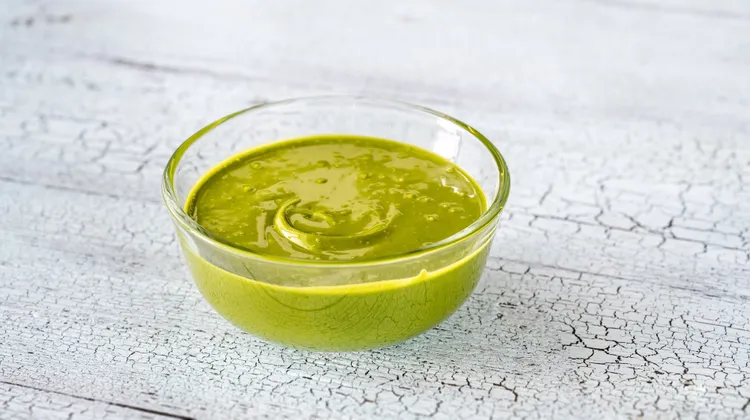
Store tahini in a cool spot, stir it well before each use, and keep the lid on tight between uses, and a single jar should stay smooth and usable for months. Once it's properly stored and ready to go, our classic tahini sauce recipe is the easiest way to put it to use. For everything else tahini can do, see our complete Tahini: The Pantry Staple That's Not Just for Hummus.
Why Storage Conditions Matter So Much for Tahini
Tahini's oil content, which is what makes it so useful in cooking, is also what makes it vulnerable to rancidity if stored poorly. Heat, light, and air all accelerate the oxidation process that eventually turns any oil-rich food rancid, which is why a cool, dark, tightly sealed environment matters more for tahini than for many other pantry staples. Unlike dry goods such as flour or rice, tahini's shelf life is genuinely shortened by poor storage conditions rather than staying roughly stable regardless of where it's kept.
Glass vs Plastic Containers
Most commercial tahini comes in glass jars, which is generally preferable to plastic for long-term storage, since glass doesn't absorb odors or leach into the oil-rich paste over time the way some plastics can with prolonged contact. If transferring tahini to a different container for any reason, glass with a tight-sealing lid is the better choice, particularly for anything meant to sit in the fridge for an extended period.
Traveling or Transporting Tahini
Tahini generally travels well at room temperature for short periods, making it reasonable to bring on a trip or transport without special cooling, as long as it's sealed tightly and not left in a genuinely hot environment like a car trunk in summer. For longer trips or hot climates, treating it more like an oil (avoiding direct heat and prolonged sun exposure) is the safer approach.
Common Questions About Storing Tahini
- Can I store tahini upside down to keep it mixed? This isn't a reliable fix - the oil will still separate over time regardless of orientation, and storing it upside down can create a mess if the seal isn't perfectly tight. A regular stir before use remains the more effective approach.
- Does tahini need an airtight container once opened? Yes, ideally the original jar's lid, tightened fully after each use, which limits air exposure and slows both separation and eventual staleness.
- Why does my tahini smell slightly different after a few months? A subtle mellowing of aroma is normal as tahini ages, even within its good shelf life. A sharp, distinctly unpleasant or rancid smell is different and signals the tahini should be discarded rather than used.
- Can old, separated tahini still be used in baking? Yes, as long as it hasn't gone rancid - stir it back together thoroughly first, since an unmixed portion measured directly from a separated jar will throw off both the fat content and consistency of whatever you're making.
Common Storage Mistakes, Revisited
Beyond the mistakes already covered, one subtler issue is storing tahini near strong-smelling foods in the fridge or pantry, since its oil content can absorb surrounding odors over time, similar to butter. Keeping it in a section of the pantry or fridge away from onions, garlic, or other pungent items helps preserve its intended flavor. Another overlooked mistake is buying tahini in bulk without a realistic sense of how quickly it will actually get used, leading to a jar that sits open for the better part of a year and gradually loses quality even if it never technically spoils.
Putting a Well-Stored Jar to Use
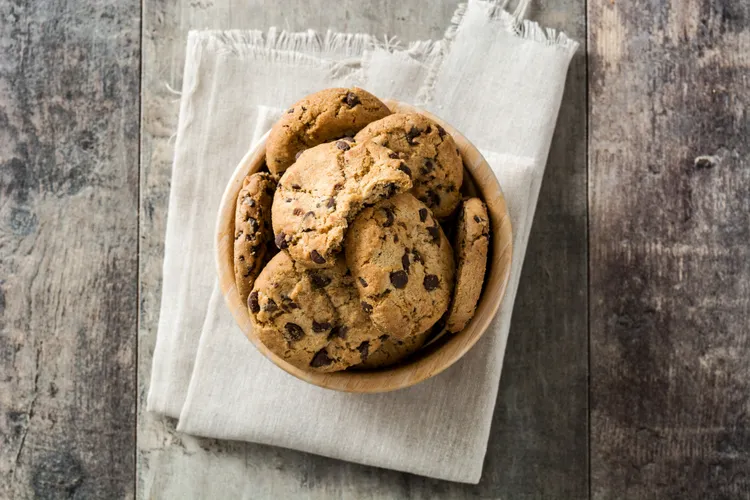
A properly stored, well-stirred jar of tahini is ready for anything from a quick tahini sauce to a full batch of tahini cookies. Getting storage right at the start means every recipe that follows starts from a consistent, reliable base rather than fighting a stiff or separated jar before the cooking even begins.
How Climate Affects Storage Decisions
In a consistently warm or humid climate, the case for fridge storage even for an actively used jar becomes stronger, since ambient kitchen temperatures alone can accelerate oxidation more than they would in a cooler climate. In a cooler, drier climate, pantry storage for a jar in regular use is more reliably fine for longer stretches without much risk. Adjusting based on your specific kitchen conditions, rather than following a single fixed rule, gives the most reliable results.
Signs of a Well-Stored Jar Versus a Neglected One
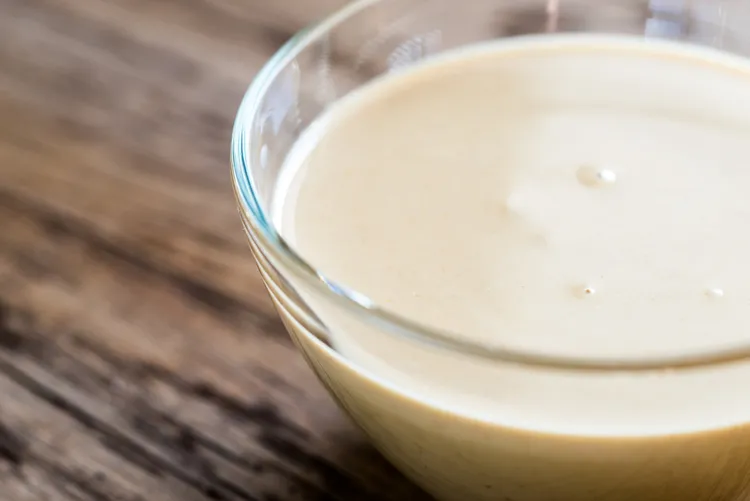
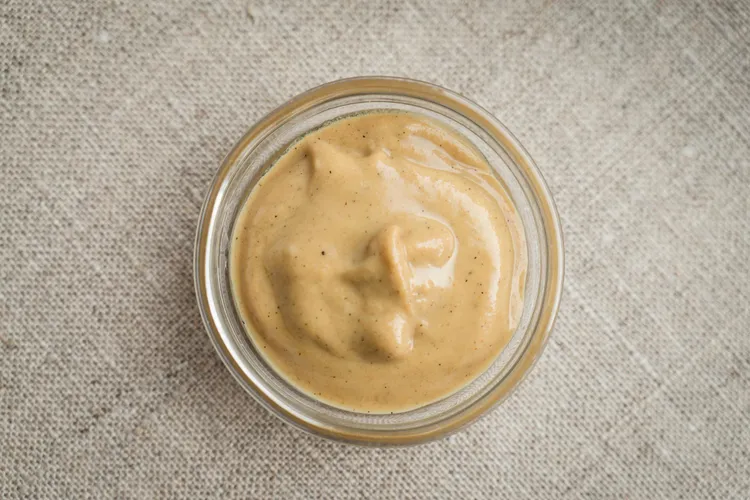
A well-stored, regularly used jar of tahini should stir back to a smooth, pourable consistency within a minute or so of effort, with a fresh, nutty smell and no off notes. A neglected jar - left unsealed, stored somewhere warm, or simply forgotten in the back of a cabinet for a very long time - often takes noticeably more effort to recombine and may have picked up a duller, staler smell even before it's technically spoiled. Neither necessarily means the tahini is unsafe to use, but the fresher-smelling, easier-to-stir jar will simply perform better in a recipe.
Repurposing Jars Once Empty
An empty tahini jar, washed well, makes a genuinely useful container for homemade dressings, sauces, or a smaller batch of a different pantry item, given its wide mouth and typically sturdy glass construction. This isn't strictly a storage tip for tahini itself, but it's a practical way to get more use out of the packaging once the tahini inside is gone.
A Simple Habit Worth Building
Stirring a jar of tahini every time it's opened, regardless of how recently it was last used, is a small habit that prevents most storage issues before they start. It takes only a few seconds and means the tahini is always ready to measure accurately and use immediately, rather than needing a longer recombining effort after a period of separation.
Ready to Cook
With storage sorted, a properly kept jar is ready for anything in this guide - see our full Tahini: The Pantry Staple That's Not Just for Hummus for the complete range of what to do with it next.
What to Do With a Jar You're Unsure About
If a jar has been sitting unopened well past its printed date, or an opened jar has been forgotten in the back of a cabinet for over a year, a smell and taste test on a small amount is the most reliable way to judge it - trust a sharp, off, or rancid smell over the printed date, and trust a normal, nutty smell even if the date has technically passed, since these dates are typically conservative estimates rather than a hard safety cutoff for a shelf-stable product like tahini.
Storing Tahini Alongside Other Opened Condiments
Tahini doesn't require any special separation from other pantry items, but keeping it toward the front of a shelf rather than pushed to the back helps ensure it actually gets used regularly rather than forgotten, which is often a bigger practical risk to quality than any specific storage condition. A jar that's used every week or two rarely has time to develop the issues associated with long-term neglect.
What Happens If Tahini Freezes Accidentally
If a jar of tahini accidentally freezes, either in an unusually cold pantry or from being stored too close to a freezer, it generally thaws back to a usable state without permanent damage, though the texture may need extra stirring to fully recombine. This isn't a recommended storage method, but it's not a cause for alarm if it happens unintentionally.
How This Compares to Storing Nut Butters
Natural peanut and almond butter face very similar separation and storage challenges to tahini, so anyone already comfortable managing a jar of natural peanut butter will find tahini's storage needs familiar rather than requiring an entirely new set of habits. The main practical difference is that tahini's thinner starting consistency makes it somewhat easier to stir back together than a very thick natural peanut butter.
A Final Storage Checklist
- Store in a cool, dark spot - pantry for regular use, fridge for longer-term storage
- Keep the lid tightly sealed between uses
- Stir thoroughly before each use, working from the bottom up
- Watch for a sharp, rancid smell as the real sign of spoilage, not simple separation
One Last Practical Tip
Keeping a butter knife or long spoon handle stored right next to the tahini jar, rather than digging through a drawer each time, removes the last bit of friction from the stir-before-use habit and makes it far more likely to actually happen consistently.
Latest