Tahini vs Peanut Butter vs Almond Butter
How tahini compares to peanut butter and almond butter in flavor, texture, nutrition, and allergen profile, and when to use each.
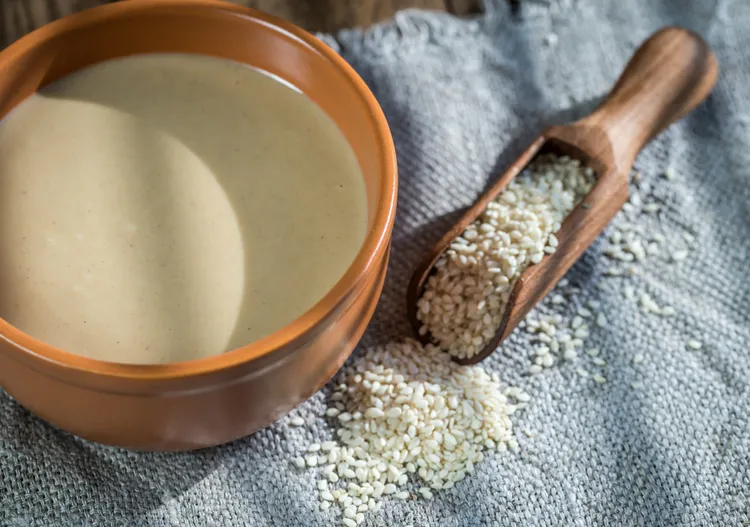
Tahini, peanut butter, and almond butter get grouped together as interchangeable "nut butters," but tahini in particular behaves and tastes different enough that treating them as direct swaps doesn't always work.
Flavor Differences
- Tahini: Nutty, slightly bitter, more savory-leaning even before anything else is added. The flavor is concentrated, so a little changes a dish noticeably.
- Peanut butter: Sweeter and rounder, with roasted peanuts' characteristic deep, slightly caramelized flavor. Reads as more universally kid-friendly and dessert-adjacent.
- Almond butter: Milder and more neutral than either, with a subtle sweetness and less assertive presence, making it the easiest of the three to blend into a recipe without dominating it.
Texture Differences
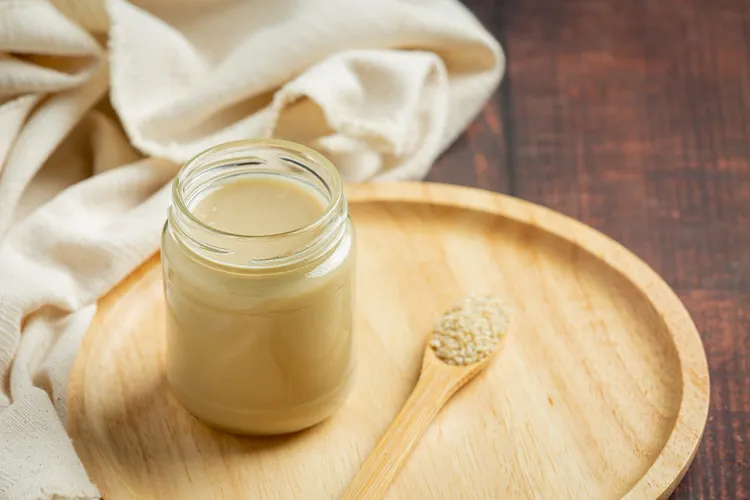
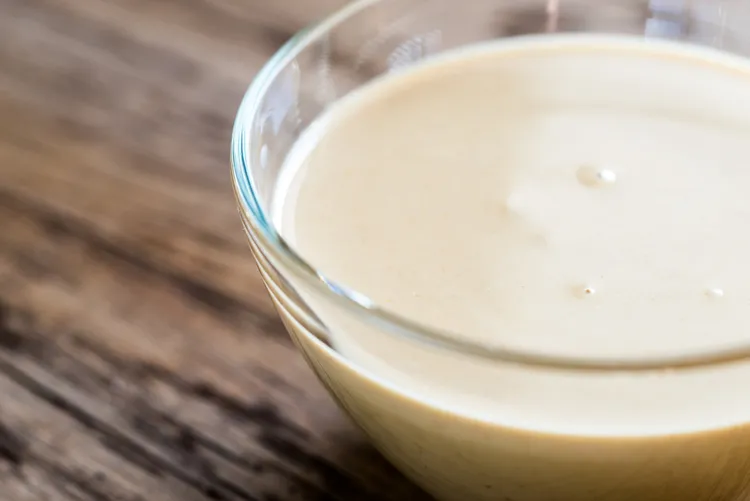
Tahini is noticeably thinner and more pourable straight from the jar than either peanut or almond butter, closer to a thick oil than a spread. This is part of why it works so well whisked into sauces and dressings, where peanut or almond butter would need considerably more thinning to reach the same consistency.
Nutrition Comparison (per 1 tbsp, approximate)
- Tahini: ~90 calories, 8g fat, 3g protein, 3g carbs. Notably higher in calcium, copper, and manganese than either nut butter.
- Peanut butter: ~95 calories, 8g fat, 4g protein, 3g carbs. Slightly higher in protein than tahini or almond butter.
- Almond butter: ~98 calories, 9g fat, 3g protein, 3g carbs. Higher in vitamin E and generally considered to have a favorable fat profile.
These are all in a similar range calorie- and macro-wise - the meaningful differences between them are flavor, allergen profile, and micronutrients rather than a clear nutritional winner.
Allergen Considerations
Sesame is one of the major recognized food allergens, and while it's a different allergen category than peanuts or tree nuts, cross-reactivity and multiple allergies aren't uncommon. Anyone managing a peanut or tree nut allergy shouldn't assume tahini is automatically safe without checking - it's a different allergen, not a hypoallergenic substitute, and vice versa for anyone with a sesame allergy considering peanut or almond butter instead.
Where Each One Wins
- Tahini: Savory sauces and dressings, Middle Eastern cooking, soups, and any baked good where a less sweet, more complex flavor is wanted.
- Peanut butter: Classic sandwiches, satay-style sauces, and baking where a sweeter, more familiar flavor is the goal.
- Almond butter: Smoothies and recipes where a milder flavor shouldn't compete with other ingredients, and for anyone wanting a nut butter without peanut's specific allergen profile.
Can You Substitute One for Another?
In most recipes, yes, with an adjustment in expectations rather than a straight swap. Tahini substituted for peanut butter in a savory sauce generally works well and arguably improves it, given tahini's traditional role in that context. In sweeter applications like a peanut butter cookie, swapping in tahini shifts the flavor meaningfully toward bitter and savory, which some people prefer and others find jarring - it's worth trying in a half batch first if you're unsure. See our tahini substitute guide for the reverse situation, when tahini itself isn't available.
None of the three is objectively "better" - they're different enough in flavor and function that the right choice depends on what the recipe actually needs. Tahini's savory, concentrated character makes it the natural choice for Middle Eastern cooking and most sauces; peanut and almond butter remain the better default for sweeter, more familiar American baking and snacking.
For the full range of what tahini specifically can do, see our complete Tahini: The Pantry Staple That's Not Just for Hummus.
A Closer Look at Cost
Peanut butter is generally the least expensive of the three per ounce in most US grocery stores, owing to peanuts' relatively low cost and large-scale production. Almond butter tends to run noticeably more expensive, since almonds cost more to grow and process than peanuts. Tahini's price varies more by where it's purchased than the other two - a jar from a Middle Eastern grocery store is often priced closer to peanut butter, while the same or a lesser jar in a general supermarket's specialty aisle can cost considerably more, making sourcing as much a factor in overall cost as the ingredient itself.
Environmental and Sourcing Considerations
Almond production is notably water-intensive compared to both peanuts and sesame, a factor that's become more of a talking point in recent years given almond farming's concentration in drought-prone growing regions. Peanuts and sesame both generally require less water to produce at scale, though specifics vary by growing region and farming practices for all three crops. This isn't usually the deciding factor in a home cook's choice between them, but it's a reasonable consideration for anyone weighing environmental impact alongside flavor and price.
How Each One Performs in Specific Dish Categories
- Satay sauce: Peanut butter is the traditional and clearly superior choice here, given the dish's origin and flavor profile built specifically around peanut's sweetness and richness.
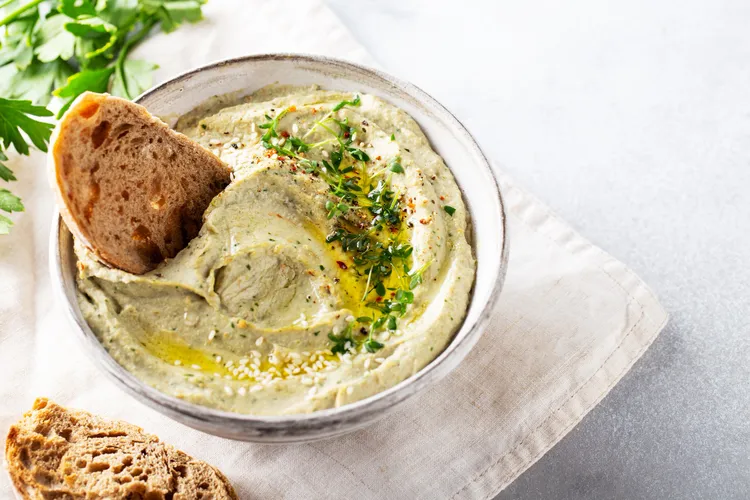
- Hummus: Tahini is essential and traditional; peanut or almond butter substitutes change the dish into something recognizably different rather than a faithful hummus.
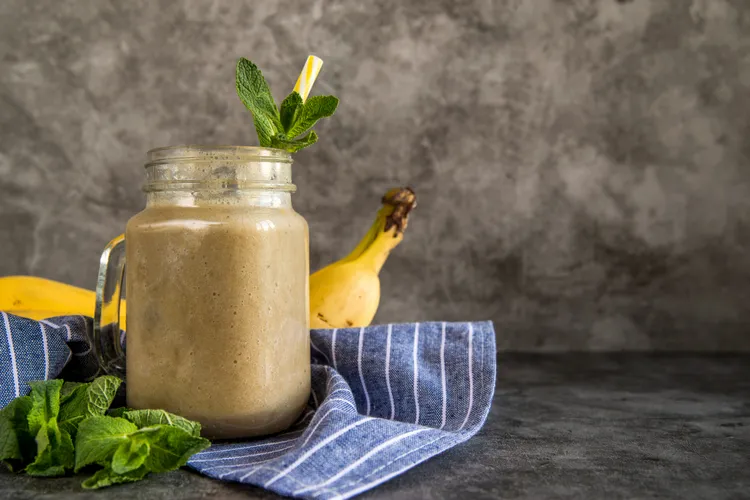
- Smoothies: All three work well, with almond butter as the mildest option for anyone wanting the nut butter's richness without a strong dominant flavor.
- Sandwich spreads: Peanut butter remains the more familiar, kid-friendly default, though almond butter is a common alternative for those avoiding peanuts specifically, and tahini works less naturally here given its more savory, less spreadable character straight from the jar.
Common Questions About Choosing Between Them
- Which is best for weight management? All three are similarly calorie-dense, so the choice matters less than portion size for anyone specifically managing calorie intake - none has a meaningful advantage over the others in this regard.
- Can I mix tahini and peanut butter in the same recipe? Yes, and this combination shows up in some fusion-style satay and dressing recipes specifically to get some of tahini's savory depth alongside peanut butter's familiar sweetness.
- Is one of these more common in professional kitchens? Tahini has become increasingly common in professional kitchens outside strictly Middle Eastern restaurants over the last decade, largely due to hummus's mainstream popularity opening the door to its other uses.
- Which has the longest shelf life once opened? All three have a broadly similar shelf life when stored properly, generally several months to a year, with specific timing depending more on storage conditions than the ingredient itself.
Common Mistakes When Substituting Between Them
The most common mistake is substituting tahini for peanut butter in a recipe specifically built around peanut butter's sweetness (like a classic peanut butter cookie) without adjusting sugar to compensate, resulting in something noticeably less sweet and more bitter than intended. Another common mistake is assuming almond butter's milder flavor makes it a safe universal substitute for either of the other two, when in some recipes - particularly savory tahini sauces - its lack of tahini's characteristic bitterness leaves the dish tasting flat rather than balanced.
Where to Go From Here
For a deeper dive into tahini specifically, see our guide to what tahini is and how it's made, or for what to reach for when tahini itself isn't available, see our substitute guide. For the complete range of tahini uses, see our full Tahini: The Pantry Staple That's Not Just for Hummus.
How Each One Behaves When Heated
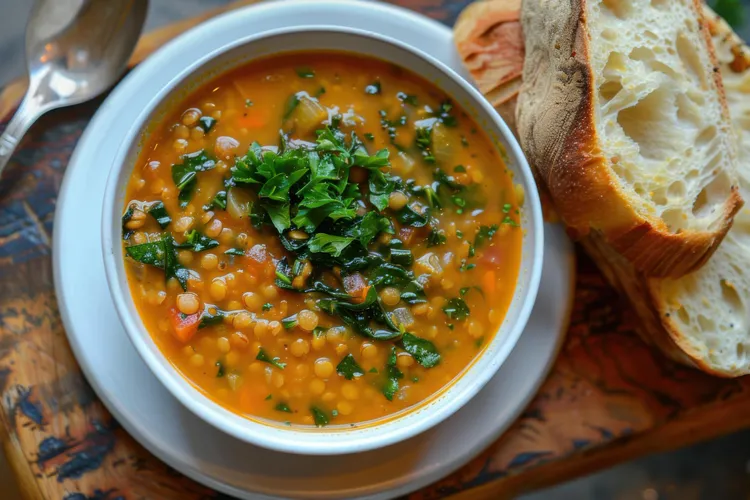
Peanut butter and almond butter both tend to thicken and can separate slightly when heated directly, similar to any nut butter, while tahini's naturally thinner consistency makes it more forgiving when incorporated into a hot liquid like a soup, provided it's tempered properly first (see our tahini soup guide for the technique). This is one of the more practical, less obvious differences between the three when it comes to cooking versus simply spreading or blending cold.
Texture in Baked Goods, Compared Directly
Peanut butter tends to produce a denser, chewier cookie given its thicker starting consistency; almond butter, depending on whether it's smooth or contains small almond pieces, can add a bit of texture; tahini, being thinner, tends to produce a slightly softer, more tender crumb, closer to what a recipe using melted butter might produce rather than one using a thick, chunky spread.
Which One a Recipe "Wants" by Default
A recipe that doesn't specify shouldn't be assumed to default to peanut butter just because it's the most common Western nut butter - checking the recipe's origin and flavor intentions matters more. A Middle Eastern recipe calling simply for "nut butter" almost certainly means tahini; an American baking recipe usually means peanut butter unless otherwise specified. Reading a recipe's broader context is more reliable than assuming based on habit alone.
All three are genuinely useful pantry staples worth having on hand for different purposes rather than picking just one as an all-purpose default. For a deeper look at tahini specifically, see our full Tahini: The Pantry Staple That's Not Just for Hummus.
Tahini leans savory and bitter with a thin, pourable texture; peanut butter leans sweet and rounded with a thick, spreadable texture; almond butter sits in between in sweetness with a texture closer to peanut butter than tahini. Keeping this simple mental shorthand in mind makes it easier to choose the right one on the fly without needing to reference a full comparison every time.
Comparing Shelf Presence and Global Popularity
Peanut butter remains the dominant nut or seed butter in American households by a wide margin, followed by almond butter as a common alternative for those avoiding peanuts specifically. Tahini's popularity has grown substantially alongside hummus's mainstream rise but still occupies a smaller, more specialty-leaning shelf presence in most general grocery stores compared to the other two, even as it's increasingly easy to find.
Which to Buy First if Starting From Scratch
For a kitchen with none of the three on hand, peanut butter remains the most broadly useful default given its price and familiarity, but tahini is worth adding second specifically for the savory, Middle Eastern-leaning applications covered throughout this guide that neither peanut nor almond butter can fully replicate.
Trying All Three Side by Side
For anyone genuinely undecided, buying small jars of all three and tasting them plain, then in a simple application like a smoothie or a piece of toast, is the most direct way to develop a personal preference rather than relying entirely on a written comparison. Flavor preference here is genuinely subjective, and firsthand tasting settles the question faster than any guide can.
Why This Comparison Matters Beyond Simple Preference
Understanding these differences isn't just about picking a favorite - it also means recognizing when a recipe specifically needs one over the others rather than treating all three as interchangeable defaults, which is where a lot of substitution disappointment in home cooking actually comes from.
One Last Practical Note
Keeping all three on hand, rather than picking just one as a household default, covers the widest range of recipes without needing to compromise on flavor or make a substitution more often than necessary.
Ultimately, the differences between these three come down to specific use cases rather than one being a universal upgrade over the others, and a well-stocked pantry benefits from having more than one on hand for exactly this reason.
For a household managing a peanut allergy specifically, having both tahini and almond butter on hand as alternatives covers most of the situations where peanut butter would otherwise be the default, without needing to rely on a single substitute for every use case.
When shopping for any of the three, checking whether a store carries a natural, minimally processed version alongside the more heavily processed shelf-stable option is worth doing regardless of which one you choose, since the quality gap between natural and processed versions is often larger than the gap between the three ingredients themselves.
Revisiting this comparison occasionally, as your own cooking habits shift, is a reasonable way to make sure your pantry still reflects what you actually reach for most often in practice.
None of these three should be treated as strictly superior across the board; the right one simply depends on the dish, the eater, and the flavor direction intended for that specific meal.
Latest