Classic Tahini Sauce (The 5-Minute Base Recipe)
The classic tahini, lemon, and garlic sauce that most savory tahini uses build on, plus why it seizes up before it smooths out.
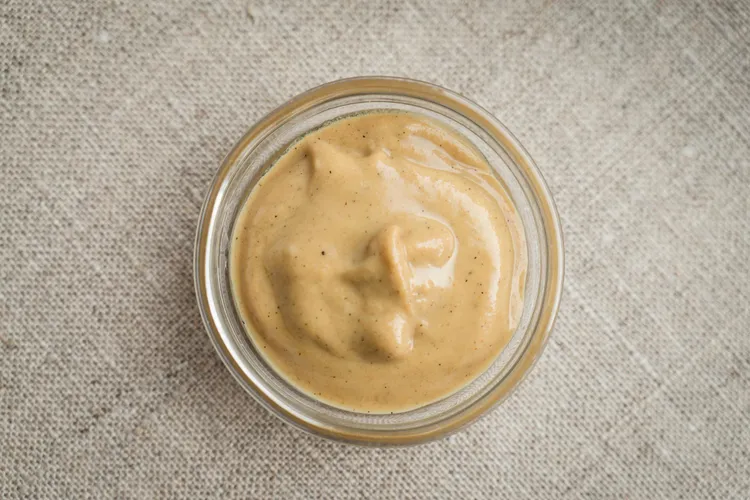
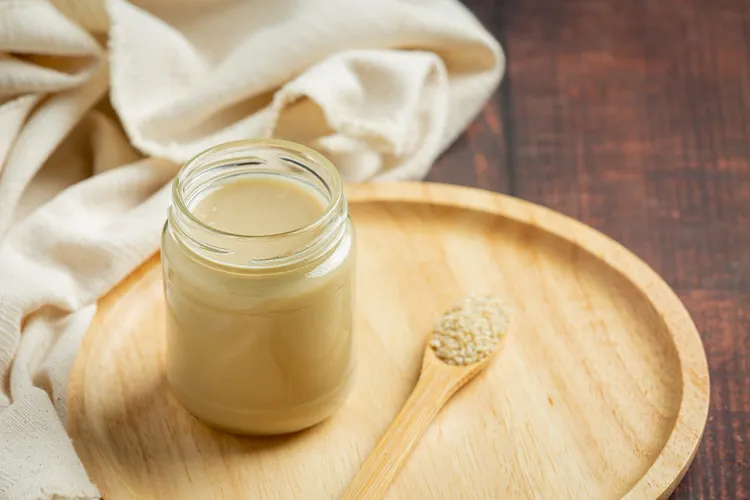
Classic tahini sauce is the base that most of tahini's savory uses build on - a five-minute mix of tahini, lemon, garlic, and water that goes from stiff and clumped to smooth and pourable in a way that surprises most people the first time they make it.
Classic Tahini Sauce
Prep time: 5 minutes | Makes: about 1 cup
Ingredients
- 1/2 cup tahini, well stirred
- 1/4 cup fresh lemon juice
- 1 small garlic clove, finely minced or grated
- 1/4 to 1/3 cup cold water, added gradually
- 1/2 tsp salt, or to taste
- Pinch of ground cumin (optional)
Instructions
- In a bowl, whisk the tahini and lemon juice together. It will seize up and turn thick and clumpy almost immediately - this is expected, not a sign anything's gone wrong.
- Add the garlic and salt, and whisk again.
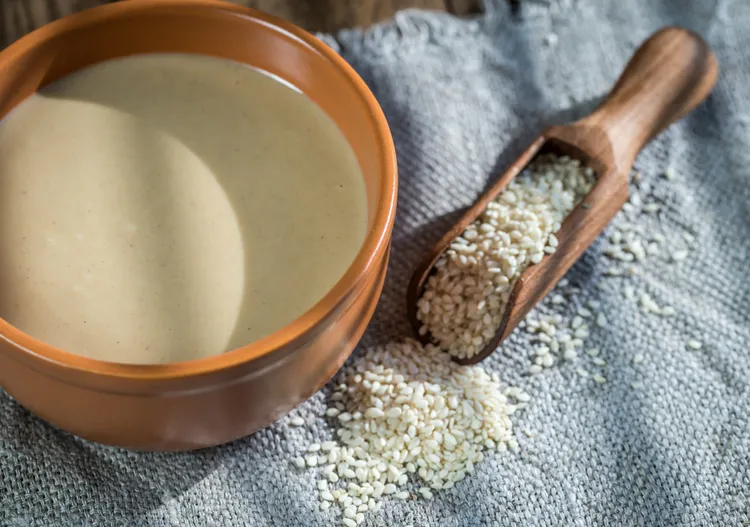
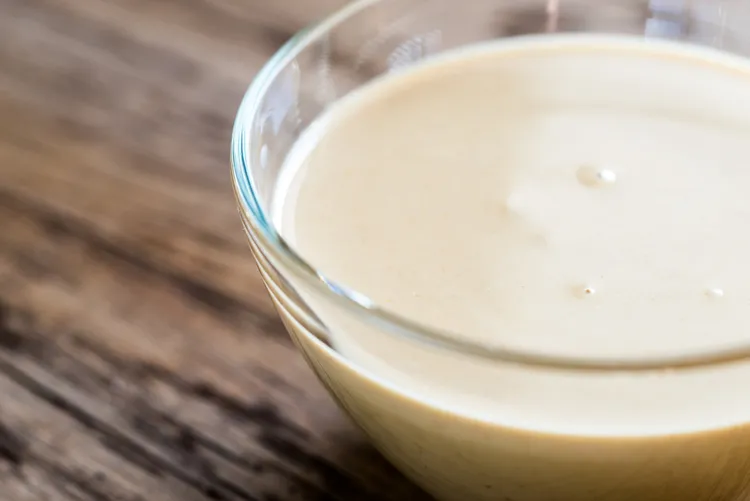
- Add cold water a tablespoon at a time, whisking continuously. The mixture will loosen gradually, then suddenly smooth out into a pale, creamy sauce, usually somewhere around 1/4 to 1/3 cup of total water depending on the tahini's starting thickness.
- Taste and adjust - more lemon for brightness, more salt for seasoning, a splash more water if it's still thicker than you want.
- Use immediately, or refrigerate in an airtight container for up to a week.
Notes
If the sauce won't smooth out no matter how much water is added, the tahini itself may be poorly emulsified or low quality to begin with - see our guide to choosing a good jar for what to look for instead.
Why It Seizes Up Before It Smooths Out
This is the single most common point of confusion the first time someone makes tahini sauce. Lemon juice's acid initially causes the tahini's proteins to tighten and clump, the same general principle behind curdling. As more liquid (water, not more lemon) is whisked in, the mixture rehydrates and re-emulsifies into something smoother and lighter than the tahini started out. Trusting the process and continuing to whisk in water, rather than panicking and adding more oil or lemon, is the fix.
Adjusting the Ratio
- Thinner, more pourable (for dressings): Add extra water, a tablespoon at a time, until it's closer to a heavy cream consistency.
- Thicker, more spoonable (for dolloping over roasted vegetables or grain bowls): Use less water and stop while it's still relatively thick.
- Sharper and brighter: Add more lemon juice, or a splash of vinegar for a different acid note.
- Milder and more savory: Cut back on garlic and lean more on salt and cumin.
What to Use It On
- Drizzled over roasted vegetables, especially cauliflower, sweet potato, and eggplant
- As a base for falafel or shawarma wraps
- Spooned over grain bowls in place of a heavier dressing
- As a dip for pita or raw vegetables on its own
Storage
Classic tahini sauce keeps in the fridge for about a week in a sealed container. It will thicken slightly as it chills, so a small splash of water and a quick stir usually brings it back to pouring consistency.
Variations Worth Trying
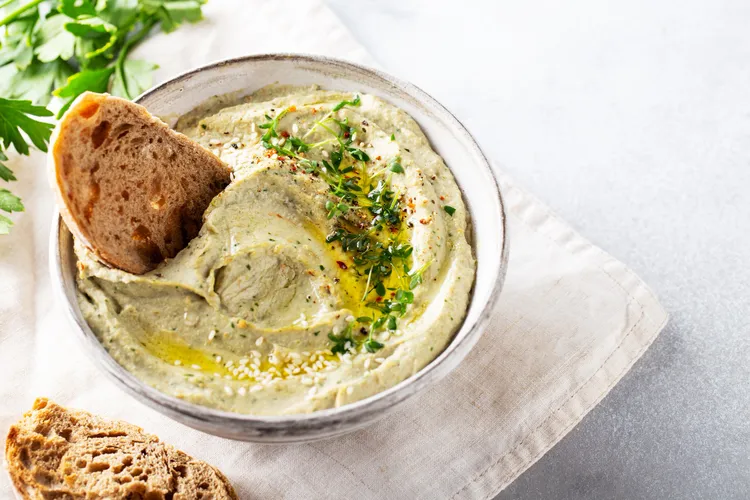
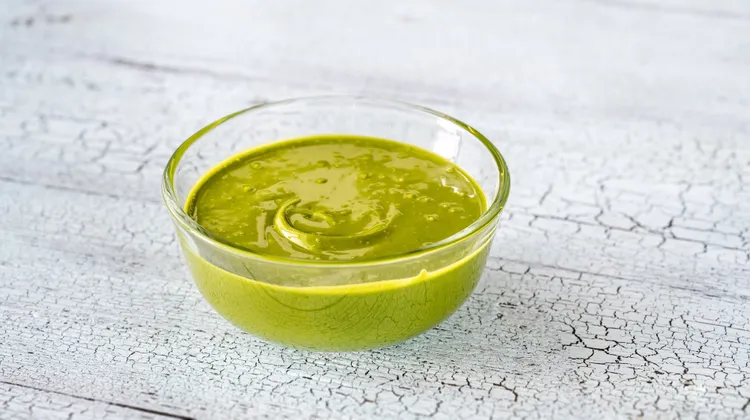
Once this base sauce is comfortable, it branches easily. Blending in a big handful of fresh herbs turns it into green tahini sauce, and thinning it slightly further with a bit more water and a touch of maple syrup or honey turns it into a genuinely good tahini salad dressing.
This is the single most useful tahini recipe to have memorized. For everything else tahini can do, see our complete Tahini: The Pantry Staple That's Not Just for Hummus.
The Science Behind the Seizing Reaction, in More Detail
Tahini contains proteins that are sensitive to pH changes, and lemon juice's acidity causes those proteins to bond together more tightly at first contact, squeezing out some of the surrounding liquid fat and creating the thick, clumped texture that surprises most people the first time. This is similar in principle to what happens when an acid is added to dairy - a mild curdling reaction - though in tahini's case it's fully reversible with enough additional liquid, unlike curdled milk. As water is whisked in, the proteins rehydrate and redisperse, and the fat re-emulsifies around them, producing the smooth, lightened texture of a properly finished sauce.
Tools That Make This Easier
A whisk and a mixing bowl are all that's strictly necessary, but a small food processor or an immersion blender produces an even smoother, more stable emulsion with less arm effort, particularly useful for a larger batch. If making tahini sauce frequently, a dedicated small bowl and whisk kept handy in the kitchen removes any friction from making a fresh batch on a weeknight rather than reaching for a store-bought dressing instead.
Scaling the Recipe Up or Down
This recipe scales linearly without any adjustment to the ratio - doubling or tripling all the ingredients produces the same result in a larger batch. The one variable that doesn't scale as predictably is water: larger batches sometimes need slightly less water proportionally to reach the same consistency, since the ratio of surface area to volume changes as the batch size grows. Add water gradually regardless of batch size and adjust by feel rather than assuming a fixed multiplier for the water quantity specifically.
Common Questions About Making Tahini Sauce
- Why is my sauce bitter even after balancing the lemon and salt? This usually points to the tahini itself being on the more bitter end, either from an unhulled variety or a lower-quality jar. A touch of honey or maple syrup can help balance it, or see our buying guide for finding a milder jar next time.
- Can I make this without garlic? Yes, garlic is easy to omit for a milder, kid-friendly version, or can be reduced to a smaller amount, or replaced with a small pinch of garlic powder for a gentler version of the same flavor.
- Why does my sauce taste flat? Flat-tasting tahini sauce is almost always under-salted or under-acidified rather than a flaw in the technique - taste and add small increments of both before assuming something went wrong.
- Can I use bottled lemon juice instead of fresh? Fresh is noticeably better here, since lemon's brightness is one of the sauce's main flavor pillars and bottled juice tends to taste flatter and slightly more bitter by comparison, but bottled will work in a pinch.
Common Mistakes Beyond the Seizing Reaction
Adding all the water at once rather than gradually is a common mistake that makes it hard to judge the right final consistency - it's easy to overshoot into a too-thin sauce this way. Another mistake is using warm tahini straight from a jar that's been sitting near the stove, which can throw off how the mixture seizes and re-emulsifies compared to using it at a more neutral temperature. A third is skipping the taste-and-adjust step at the end, since the right balance of lemon, salt, and garlic varies meaningfully by the specific tahini's natural bitterness, and a recipe's exact measurements are a starting point rather than a guarantee.
What This Sauce Becomes Next
Once this base is comfortable, it's worth trying both the herb-forward green tahini sauce and the thinner tahini salad dressing, both of which use essentially the same technique with different proportions and additions. For the complete range of what tahini can do, see our full Tahini: The Pantry Staple That's Not Just for Hummus.
Using This Sauce as a Building Block
Beyond serving it on its own, this sauce works as a base ingredient in other recipes throughout this guide - it's essentially the starting point for green tahini sauce once herbs are blended in, and a thinner version of the same ratio becomes tahini salad dressing. Learning this one recipe well means three or four other recipes become variations rather than entirely new techniques to learn from scratch.
Doubling as a Dip Versus a Sauce
Kept slightly thicker, this same base works well as a straightforward dip for pita or vegetables, closer to what's called tarator in some Middle Eastern kitchens. The distinction between "sauce" and "dip" here is really just a matter of how much water is whisked in - there's no need to treat them as separate recipes requiring different ingredients.
A Note on Consistency Over Time
This sauce thickens somewhat as it sits in the fridge, even within the same day, as the tahini continues to hydrate and the flavors meld. This isn't a sign of anything going wrong - a small splash of water and a quick stir right before serving brings it back to the original consistency without any loss of flavor.
Serving Temperature
This sauce is traditionally served at room temperature or slightly chilled rather than warmed, since heat isn't necessary for its flavor to come through and can actually dull some of the lemon's brightness. If it's been in the fridge, letting it sit out for 10 to 15 minutes before serving softens it slightly and makes for easier drizzling.
The Recipe to Come Back To
Of everything in this guide, this is the recipe worth having fully memorized - once it's second nature, most of tahini's other savory uses become small variations on the same core technique. For the complete range, see our full Tahini: The Pantry Staple That's Not Just for Hummus.
A Quick Troubleshooting Reference
- Too thick: Add more water, a tablespoon at a time.
- Too thin: Whisk in a bit more tahini to thicken it back up.
- Too bitter: Add a touch more salt or a small amount of honey to balance it.
- Too sharp or acidic: Add a bit more tahini or a pinch more salt to round it out.
Comparing This to Other Regional Lemon-Garlic Sauces
This sauce sits in the same general family as aioli or toum, in the sense that all three build a creamy, garlicky sauce from a small number of pantry staples. What sets tahini sauce apart is its base fat coming from ground sesame rather than oil or raw garlic alone, giving it a nuttier, less sharply garlicky final flavor and a considerably faster, more forgiving preparation than something like toum, which depends on a slow, careful emulsification technique.
Serving Size
This recipe's yield of about 1 cup covers 4 to 6 people as a condiment alongside a meal, or 2 to 3 people if it's the primary dip for a spread of vegetables or bread. Doubling the recipe for a larger gathering works cleanly without any ratio adjustment needed.
Teaching This Recipe to Someone New to Cooking
This is a genuinely good recipe for teaching a beginner cook a core kitchen skill - emulsification - in a low-stakes, forgiving format. Unlike a mayonnaise or hollandaise, where a failed emulsion often means starting over, tahini sauce is remarkably forgiving of a shaky first attempt, since more water almost always fixes an overly thick or clumpy result rather than requiring a full restart.
One Last Note on Consistency Expectations
It's worth remembering that no two jars of tahini behave identically - some need more water, some less, some seize more dramatically than others before smoothing out. Treat the water measurement in this recipe as a reasonable starting estimate rather than an exact figure, and let the sauce's actual look and feel guide the final result each time.
Keep a small jar of this sauce in the fridge door where it's easy to grab, and it becomes the kind of thing you reach for automatically rather than something reserved for planned meals - a spoonful improves leftovers, a quick lunch bowl, or even scrambled eggs with almost no extra thought required.
Latest