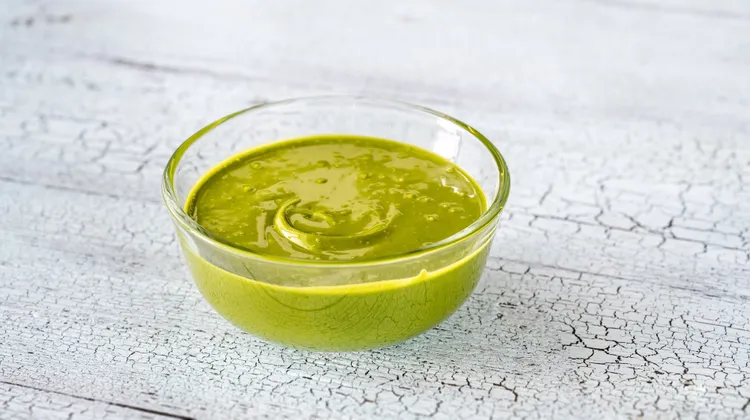
Tahini in Baking: Cookies, Blondies, and Swirled Brownies
How tahini's bitterness balances sugar in baking, with a tahini chocolate chip cookie recipe and ideas for blondies and swirled brownies.
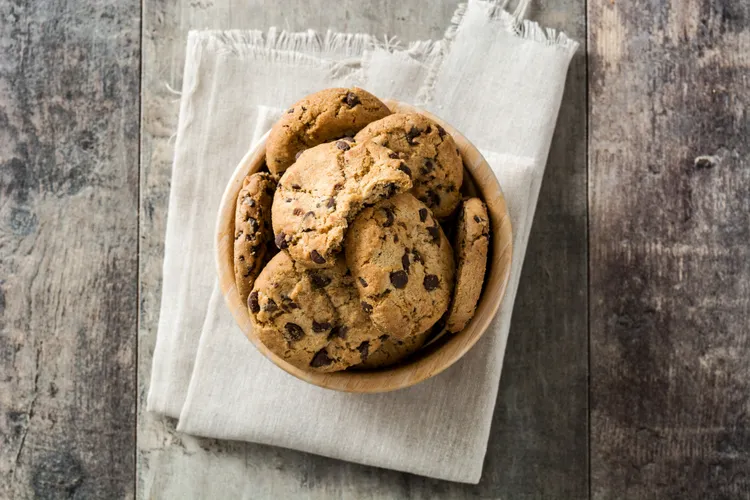
Tahini's slight bitterness is exactly what makes it work so well in baking - it balances sugar the way a pinch of salt does, without the heaviness peanut butter can bring, and it gives cookies and bars a flavor that's genuinely distinct rather than just a peanut butter substitute.
Tahini Chocolate Chip Cookies
Prep time: 15 minutes | Cook time: 11 minutes | Makes: about 18 cookies
Ingredients
- 1/2 cup tahini, well stirred
- 1/2 cup unsalted butter, softened
- 3/4 cup brown sugar
- 1/4 cup granulated sugar
- 1 large egg
- 1 tsp vanilla extract
- 1.5 cups all-purpose flour
- 1/2 tsp baking soda
- 1/2 tsp salt
- 1 cup chocolate chips
- Flaky sea salt, for topping
Instructions
- Preheat the oven to 350°F and line two baking sheets with parchment.
- Cream the tahini, butter, brown sugar, and granulated sugar together until light and fluffy, about 2 minutes.
- Beat in the egg and vanilla until combined.
- In a separate bowl, whisk together the flour, baking soda, and salt. Add to the wet ingredients and mix until just combined.
- Fold in the chocolate chips.
- Scoop dough into 1.5 tablespoon portions onto the prepared sheets, spacing about 2 inches apart. Sprinkle each with a pinch of flaky sea salt.
- Bake for 10 to 12 minutes, until the edges are set but the centers still look slightly underdone. Cool on the pan for 5 minutes before transferring.
Notes
Tahini adds moisture as well as flavor, so these cookies stay soft for a few days longer than a standard chocolate chip cookie recipe.
Why Tahini Works So Well in Baked Goods
Tahini's bitterness plays the same balancing role that salt does against sugar, tempering sweetness rather than adding to it the way peanut butter's naturally sweeter profile does. It also contributes fat and moisture similarly to a nut butter, which means it can generally substitute for some or all of the fat in a recipe originally written for peanut or almond butter, with a noticeably different but complementary flavor result.
Tahini Blondies
Swap tahini in for some or all of the butter in a standard blondie recipe (start by replacing about half) for a deeper, nuttier flavor and a slightly denser, fudgier texture. A handful of chopped dark chocolate or a swirl of extra tahini on top before baking makes for a more striking presentation.
Tahini-Swirled Brownies
Make a standard brownie batter, then dollop spoonfuls of loosened tahini (thinned with a touch of maple syrup) across the top and swirl with a knife before baking. The tahini stays slightly distinct from the chocolate batter as it bakes, creating both a marbled look and pockets of nutty flavor throughout.
Substituting Tahini for Other Nut Butters in Baking
Tahini can generally substitute 1:1 for peanut butter or almond butter in most baking recipes, though expect a less sweet, more savory-leaning result given tahini's naturally more bitter profile. Recipes that lean heavily on peanut butter's sweetness as a flavor anchor may need a touch more sugar to compensate.
Common Mistakes When Baking With Tahini
- Using a low-quality, overly bitter tahini, which can push a baked good from pleasantly nutty into genuinely unpleasant - see our guide to choosing a good jar for what to look for
- Skipping the flaky salt topping on cookies, which does real work balancing tahini's bitterness against the sugar
- Not stirring the tahini well before measuring, which can throw off both the amount used and the final texture if a separated, oily portion gets measured instead of a properly blended one
Storage
Tahini baked goods generally keep a day or two longer than their standard counterparts, since tahini's fat content helps retain moisture. Store in an airtight container at room temperature for up to 5 days, or freeze baked and cooled for longer storage.
For more sweet tahini ideas beyond baking, see our guide to sweet tahini uses, or head back to our complete Tahini: The Pantry Staple That's Not Just for Hummus.
How Tahini Changes Baking Chemistry, Briefly
Tahini behaves similarly to a nut butter or softened fat in a baking recipe, contributing both moisture and fat that affect the final texture. Because it's more liquid than a standard nut butter straight out of the jar, recipes that substitute tahini for part of the butter sometimes need a slightly longer bake time or a small flour adjustment to compensate for the added moisture. Most well-tested tahini baking recipes, including the cookie recipe above, already account for this, but it's worth knowing if adapting a non-tahini recipe on your own.
Balancing Tahini's Bitterness in Baked Goods
A few reliable techniques help balance tahini's natural bitterness against a baked good's sweetness: a generous pinch of salt (both in the dough and as a finishing touch, as in the flaky sea salt topping on the cookie recipe above), a touch of extra vanilla to round out the flavor, and pairing tahini with something naturally sweet like dark chocolate, honey, or dates, which contrast nicely rather than competing directly with tahini's bitterness.
Tahini Rugelach and Other Pastry Applications
Beyond cookies and bars, tahini works well as a filling swirled into rolled pastry doughs, similar to how cinnamon-sugar or Nutella might be used in a rugelach or babka. A simple filling of tahini mixed with brown sugar and a pinch of cinnamon, rolled into a yeasted or laminated dough, gives a distinctly different result from either of those more familiar fillings, worth trying for anyone comfortable with basic pastry work.
Common Questions About Baking With Tahini
- Can I use unhulled tahini in baking? Yes, though expect a more assertive, more bitter result. Hulled tahini is the gentler, more broadly approachable choice for most baked goods, particularly for anyone new to baking with it.
- Does tahini affect how baked goods store? Slightly - tahini's fat content helps retain moisture, so tahini-based baked goods often stay soft a day or two longer than a comparable recipe without it.
- Can I make these recipes nut-free? Yes, tahini itself is nut-free (sesame is a seed, not a tree nut or legume), making these recipes a reasonable option for a nut-free kitchen, provided sesame allergy isn't also a concern.
- Why did my cookies spread more than expected? Tahini's higher liquid content compared to butter alone can cause slightly more spread if the dough isn't chilled before baking - chilling the scooped dough for 20 to 30 minutes before it goes in the oven helps control this.
Common Mistakes When Baking With Tahini
Not stirring the tahini thoroughly before measuring is the most common mistake here too, throwing off both the fat content and consistency of the final dough or batter. A second mistake is using a very bitter or lower-quality tahini in a delicate recipe, where its flavor has nowhere to hide - a milder, well-chosen jar (see our buying guide) makes a real difference in baked applications specifically. A third mistake is skipping the finishing salt on cookies and similar treats, which does real work rounding out the flavor and is easy to underestimate until it's left out.
Where to Go From Here
For more sweet applications beyond baking, see our guide to sweet tahini uses. For the complete range of tahini applications, see our full Tahini: The Pantry Staple That's Not Just for Hummus.
Adapting Other Cookie Recipes to Include Tahini
Beyond the recipes given here, tahini can generally replace a portion (start with about half) of the butter or oil in most drop cookie recipes, with a resulting flavor that leans more toward nutty and savory-sweet than the original. This works especially well in oatmeal cookies, where tahini's nuttiness complements the oats naturally, and in shortbread-style cookies, where its richness stands in well for some of the butter.
Freezing Tahini Cookie Dough
Tahini cookie dough freezes well, scooped into individual portions on a tray, frozen solid, then transferred to a freezer bag for longer storage. Frozen dough portions can go straight into the oven from frozen, typically with an extra 1 to 2 minutes added to the bake time, making this a convenient way to have fresh cookies on demand without mixing a new batch each time.
Presentation Ideas for Tahini Baked Goods
A light drizzle of extra tahini, thinned slightly with a touch of maple syrup, over cooled cookies or blondies adds both visual interest and a stronger tahini flavor for anyone who wants it more pronounced. A sprinkle of sesame seeds on top before baking is another simple way to reinforce the tahini flavor visually as well as in taste.
Common Pairings for Tahini Baked Goods
Tahini baked goods pair particularly well with a cup of strong coffee or tea, since the bitterness in both complements rather than competes with tahini's own bitter notes. They also travel well for gifting or potlucks, since tahini's fat content helps them stay moist for several days without much special handling.
Where to Go From Here
For non-baked sweet applications, see our guide to sweet tahini uses. For the complete range of tahini applications, see our full Tahini: The Pantry Staple That's Not Just for Hummus.
A Quick Note on Room-Temperature Ingredients
Letting the egg come to room temperature before mixing, alongside the already-soft butter, helps the dough come together more evenly and reduces the risk of the tahini seizing slightly against a cold egg straight from the fridge.
Comparing Tahini Cookies to Peanut Butter Cookies
Peanut butter cookies typically lean sweeter and use a criss-cross fork pattern as a traditional presentation; tahini cookies, as in the recipe above, lean toward a more balanced, slightly savory-sweet profile and are often finished with flaky salt rather than a specific pattern, reflecting their different flavor priorities rather than any technical baking difference between the two doughs.
Adjusting Sweetness for Personal Preference
For a sweeter cookie closer to a traditional chocolate chip cookie's overall profile, increasing the sugar by 2 to 3 tablespoons compensates for tahini's natural bitterness without changing the rest of the recipe's structure or bake time meaningfully.
Why Tahini Baked Goods Are Worth the Slight Learning Curve
The main adjustment for anyone used to standard American baking is expecting a less sweet, more complex flavor than a typical cookie or bar recipe delivers - once that expectation is set correctly, tahini baked goods tend to become a genuine favorite rather than a novelty tried once and abandoned.
One Last Baking Tip
Slightly underbaking these cookies rather than baking until fully set gives a softer, chewier final texture once they cool and firm up on the pan - pull them from the oven when the edges look done but the centers still look a touch underbaked.
A kitchen scale, if you have one, gives more consistent results than measuring flour by volume across repeated batches of any of these recipes, since flour in particular can pack differently between measurements and affect the final texture more than most other ingredients in the dough.
These recipes are also a reasonable project to bake with kids, given how forgiving the dough is and how little precision is required beyond the basic mixing and scooping steps, making tahini baking approachable even for a first-time young baker.
A cookie scoop keeps portions consistent across a full batch, which matters more for even baking than it might seem, since unevenly sized cookies on the same tray finish cooking at different rates.
Once mastered, these techniques transfer easily to other baked goods beyond the three covered here, opening the door to experimenting with tahini in muffins, quick breads, or other favorite baking recipes.
Storing extra dough separately from baked cookies keeps options open for fresh-baked cookies on a different day without committing the whole batch to the oven at once.
Latest