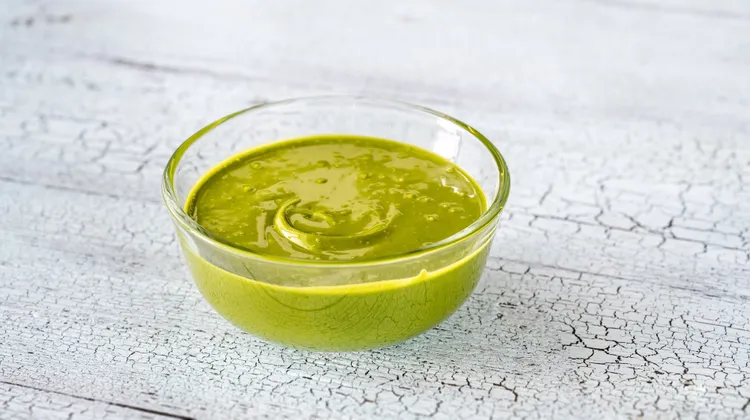
Sweet Tahini: Smoothies, Oatmeal, and No-Bake Treats
Sweet ways to use tahini beyond baking - smoothies, oatmeal, fruit drizzles, and a simple no-bake halva-style bark recipe.
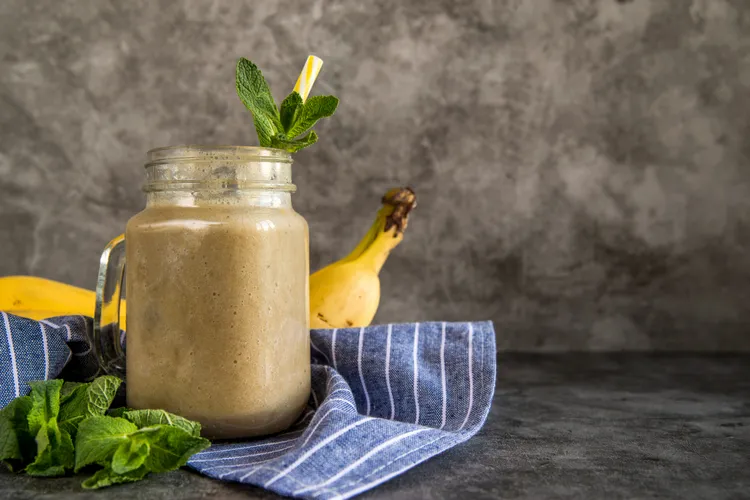
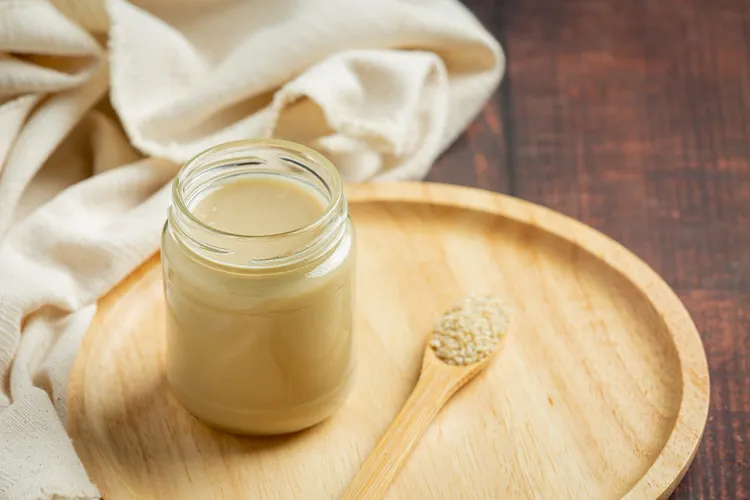
Tahini isn't just for baking or savory sauces - stirred into oatmeal, blended into a smoothie, or drizzled over fruit, it adds richness and a nutty depth that a lot of people don't associate with sesame until they actually try it.
Tahini in Smoothies
A tablespoon or two of tahini blended into a smoothie adds richness and staying power the same way a nut butter would, with a slightly different, more mineral-forward flavor. It pairs especially well with banana, dates, and cinnamon, which round out its natural bitterness into something closer to a dessert-like flavor. Start with 1 tablespoon per smoothie and adjust up once you know how much of tahini's flavor you want coming through.
Tahini in Oatmeal
Stirring a spoonful of tahini into hot oatmeal, along with a drizzle of honey or maple syrup and a pinch of cinnamon, adds richness in about the same way peanut butter oatmeal does, but with a more distinct, slightly savory edge. Topping with sliced banana or a few chopped dates balances tahini's bitterness nicely.
Tahini Drizzle for Fruit and Yogurt
Tahini thinned slightly with a touch of water and honey makes an easy drizzle for sliced fruit, particularly banana, apple, or pear, or over a bowl of yogurt and granola. The contrast between tahini's nutty bitterness and fresh fruit's sweetness is a genuinely underused combination outside Middle Eastern cooking.
Simple Halva-Style Tahini Bark
Prep time: 10 minutes, plus setting time | Makes: about 12 pieces
Ingredients
- 1 cup tahini, well stirred
- 1/3 cup honey or maple syrup
- 1/4 tsp salt
- 1/2 tsp vanilla extract
- 2 to 3 tbsp chopped pistachios or dark chocolate chips, for topping
- Flaky sea salt, for finishing
Instructions
- Line a small baking sheet or dish with parchment paper.
- Whisk together the tahini, honey, salt, and vanilla until fully smooth and glossy.
- Pour onto the prepared parchment and spread into an even layer, about 1/4 inch thick.
- Sprinkle with chopped pistachios or chocolate chips and a pinch of flaky sea salt.
- Refrigerate for at least 1 hour, until firm enough to break or cut into pieces.
- Store in the fridge in an airtight container for up to 2 weeks.
Notes
This isn't quite traditional halva, which typically involves a hot sugar syrup and a distinct crystalline texture, but it captures the same flavor in a much simpler, no-cook format.
Tahini and Chocolate
Tahini and chocolate are a genuinely natural pairing - the bitterness in both complements rather than competes, which is part of why tahini shows up so often swirled into brownies or drizzled over chocolate desserts. A simple tahini-chocolate spread (melted chocolate blended with a few tablespoons of tahini and a pinch of salt) makes an easy dip for fruit or a spread for toast.
A Simple Sweet Tahini Sauce
Whisk tahini with maple syrup, a splash of water, and a pinch of cinnamon until pourable, for a quick sauce that works over pancakes, waffles, ice cream, or roasted fruit. This comes together in about the same time as the savory version and uses roughly the same technique - loosen gradually with liquid rather than dumping it all in at once.
Why the Sweet Side of Tahini Is Worth Exploring
Tahini's flavor profile - nutty, slightly bitter, rich - works as well against sweet ingredients as it does against savory ones, and it's a flavor combination that's deeply established in Middle Eastern desserts even if it hasn't fully caught on elsewhere yet. Once you've tried it in a smoothie or drizzled over fruit, it's hard not to reach for it the same way you'd reach for a nut butter.
For more baked applications, see our guide to baking with tahini, or head back to our complete Tahini: The Pantry Staple That's Not Just for Hummus.
Building a Simple Tahini Breakfast Routine
For anyone looking to work tahini into a regular breakfast rotation without much extra effort, a rotation of a tahini-banana smoothie one day, tahini-swirled oatmeal the next, and a slice of toast with a tahini-honey drizzle on a third covers real variety without needing to plan much in advance - all three lean on the same jar and the same basic technique of loosening tahini with a liquid and a touch of sweetness.
Tahini in Middle Eastern Desserts, Beyond Halva
Traditional halva involves cooking sugar to a specific temperature and working it into tahini while hot, producing the dense, crumbly, slightly flaky texture most people associate with the word. The simplified bark recipe in this guide skips that more technical process in favor of a no-cook approach that captures the same flavor without the same equipment or precision. Beyond halva, tahini also appears in ka'ak (a semolina and tahini cookie, often shaped into rings), and in various regional variations of shortbread-style cookies where tahini replaces some or all of the butter.
Pairing Tahini With Other Sweet Flavors
- Dates: A near-perfect match - date's caramel-like sweetness balances tahini's bitterness almost automatically, which is part of why the two show up together so often in Middle Eastern desserts and energy-ball style snacks.
- Banana: Works well in smoothies and on toast, with banana's mild sweetness rounding out tahini without overwhelming it.
- Citrus: A small amount of orange or lemon zest in a sweet tahini application adds brightness that cuts through the richness, similar to its role in savory tahini sauce.
- Coffee: Tahini's bitterness pairs surprisingly well with coffee's own bitterness, particularly in a mocha-style drink or a coffee-tahini energy ball.
Common Questions About Sweet Tahini Uses
- Is tahini bark the same as real halva? Not exactly - traditional halva involves a hot sugar syrup and a different, more crystalline texture. This no-cook bark captures a similar flavor profile in a much simpler format, closer to a fudge than true halva.
- Can I use tahini in place of nut butter in a smoothie recipe? Yes, generally 1:1, though expect a slightly more savory, less sweet result than a peanut or almond butter smoothie would give.
- How much tahini is too much in a smoothie? Beyond about 2 tablespoons per single-serving smoothie, tahini's flavor tends to dominate rather than blend in, and the drink can start to feel heavy rather than refreshing.
- Can kids eat tahini? Generally yes, assuming no sesame allergy, though its bitterness means kids may prefer it in sweeter applications like the bark recipe or a well-balanced smoothie rather than a savory sauce.
Common Mistakes With Sweet Tahini Applications
Using too much tahini relative to the sweetener in any of these applications is the most common mistake, resulting in something more bitter than pleasant - start conservative and add more tahini gradually once you know how much of its flavor you actually want coming through. A second mistake, specific to the bark recipe, is not refrigerating it long enough before cutting, which results in a soft, difficult-to-portion mess rather than clean pieces. A third mistake is assuming any nut-butter dessert recipe will translate directly to tahini without adjustment - given tahini's different sweetness and bitterness profile, a recipe built around peanut butter's flavor often needs a bit more added sweetener to land in the same place.
Where to Go From Here
For more structured baked applications, see our guide to baking with tahini. For the complete range of tahini uses, see our full Tahini: The Pantry Staple That's Not Just for Hummus.
Tahini as a Topping for Desserts You Didn't Make
Even without cooking anything, a simple tahini-honey drizzle elevates store-bought ice cream, a plain yogurt bowl, or even a slice of plain cake, adding a layer of nutty richness with essentially no effort. This is one of the easiest ways to work tahini into a dessert routine without committing to a full recipe.
Tahini in Energy Balls and No-Bake Snacks
Blended with dates, a bit of oats, and a pinch of salt, tahini forms an easy base for no-bake energy balls, rolled into bite-sized portions and refrigerated until firm. This uses the same basic technique as the halva-style bark in this guide - tahini plus a concentrated sweetener, set until firm - applied to a different, more portable format.
Building a Tahini Dessert for a Dinner Party
For a slightly more composed dessert, the tahini bark recipe in this guide can be dressed up with a wider variety of toppings - crushed freeze-dried raspberries, flaky salt, toasted coconut, or a mix of nuts - and cut into more deliberate, presentation-ready shapes rather than rustic broken pieces, making it a reasonable low-effort dessert for guests.
Storing Sweet Tahini Preparations
Most of the sweet applications in this guide - the bark, a tahini-chocolate spread, energy balls - keep well in the fridge for one to two weeks in a sealed container, similar to how the tahini itself keeps. Smoothies and oatmeal, being fresh preparations, are best made and eaten the same day rather than stored.
Where to Go From Here
For more structured baked applications, see our guide to baking with tahini. For the complete range of tahini uses, see our full Tahini: The Pantry Staple That's Not Just for Hummus.
Portion Sizes
Because tahini is calorie-dense, keeping sweet applications to a reasonable portion - a tablespoon or two in a smoothie, a small square of bark - lets its flavor come through as a pleasant accent rather than an overwhelming, overly rich addition to a dish.
Comparing Sweet Tahini Uses to Nut Butter Equivalents
Most of the sweet applications in this guide have a direct peanut or almond butter equivalent already familiar to most home cooks - peanut butter oatmeal, almond butter smoothies, no-bake peanut butter energy balls. Tahini slots into each of these roles with a genuinely different flavor outcome rather than simply mimicking the nut butter version, which is part of why it's worth trying even for someone who already has a favorite nut butter routine.
Why the Sweet Side of Tahini Tends to Surprise People
Most people's first association with tahini is savory, given hummus's dominance in how the ingredient is introduced to most home cooks - trying it in a smoothie or drizzled over fruit for the first time is often a genuine surprise, and frequently the moment someone becomes a long-term tahini convert rather than an occasional user.
One Last Idea Worth Trying
A simple tahini and honey drizzle over warm, thick-cut toast, finished with a pinch of flaky salt, is about as fast as any recipe in this guide and remains one of the most satisfying ways to appreciate tahini's sweet side with almost no preparation at all.
None of these sweet applications require special equipment beyond what's already in a typical kitchen, making them an easy, low-commitment way to start experimenting with tahini's sweeter side before investing time in a more involved baking recipe.
For anyone building a regular smoothie or oatmeal habit, keeping tahini within easy reach on the counter rather than tucked away in a cabinet makes it far more likely to actually get used consistently as part of that routine.
Keeping a small jar of loosened, honey-thinned tahini specifically for drizzling separate from the main jar used in savory cooking makes it that much easier to reach for on a whim, without needing to mix a fresh batch each time.
Latest