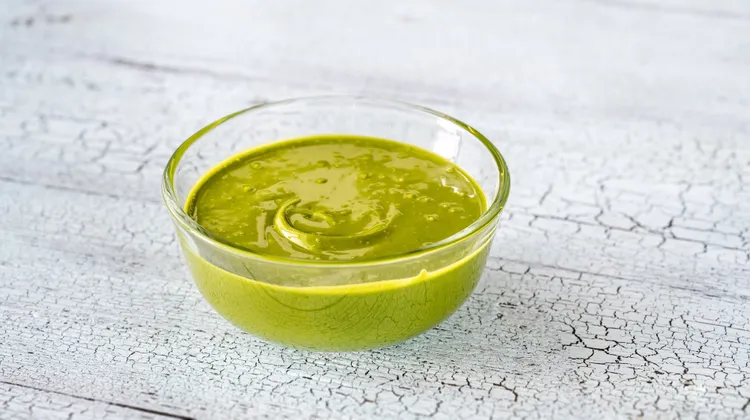
Tahini Salad Dressing (Creamy, No Dairy)
A creamy, dairy-free tahini salad dressing recipe with lemon, garlic, and a touch of sweetness, plus variations and what to dress with it.
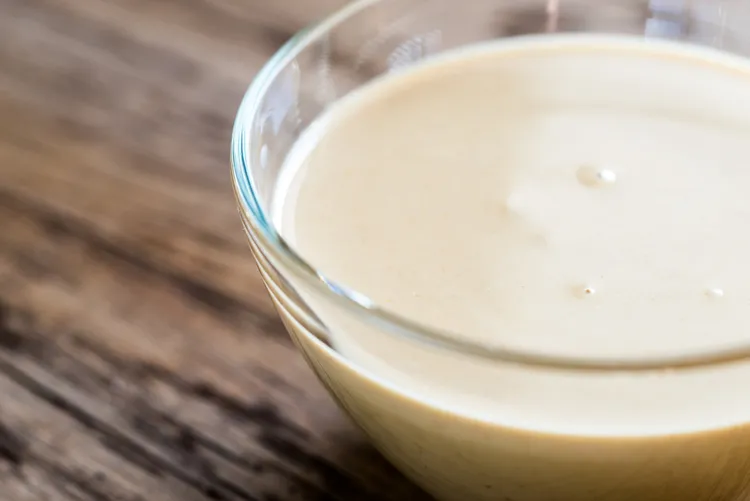
Tahini salad dressing is a genuinely good dairy-free stand-in for something rich and creamy, closer to ranch or Caesar in body than most vinaigrettes get, without needing any dairy at all to get there.
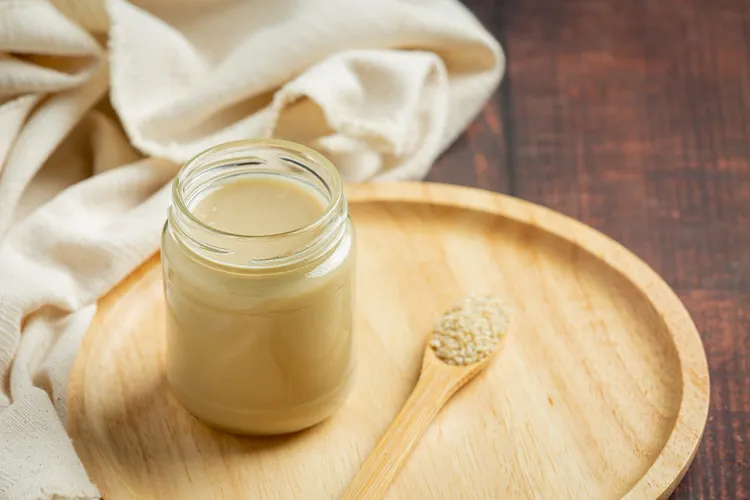
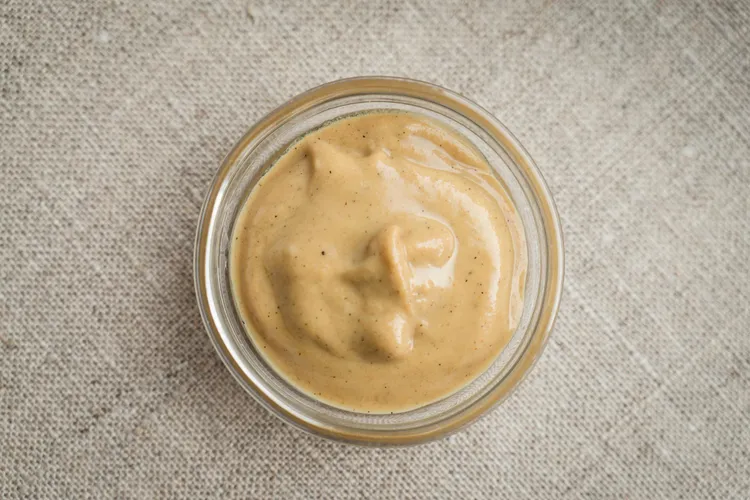
Creamy Tahini Salad Dressing
Prep time: 5 minutes | Makes: about 3/4 cup
Ingredients
- 1/3 cup tahini, well stirred
- 3 tbsp fresh lemon juice
- 1 tbsp apple cider vinegar
- 1 small garlic clove, grated
- 1 tsp maple syrup or honey
- 1/4 to 1/3 cup cold water, added gradually
- 1/2 tsp salt
- 1/4 tsp black pepper
Instructions
- Whisk the tahini, lemon juice, and vinegar together - it will clump before it smooths, same as with the classic sauce.
- Add the garlic, maple syrup or honey, salt, and pepper, and whisk again.
- Add cold water gradually, whisking continuously, until the dressing reaches a pourable, salad-dressing consistency - thinner than the classic tahini sauce, since it needs to coat greens evenly rather than sit as a dip.
- Taste and adjust acid, sweetness, or salt as needed.
- Store in a sealed jar or bottle in the fridge for up to a week, shaking or whisking before each use.
Notes
This dressing thickens in the fridge. A quick shake with a splash of water brings it right back to pouring consistency.
Why This Reads as "Creamy" Without Dairy
Tahini's natural fat content gives it a body and mouthfeel that most oil-based vinaigrettes can't match, which is exactly why it works so well as a stand-in for a dairy-based dressing. The small amount of maple syrup or honey rounds out the acidity the same way a touch of sugar does in a classic vinaigrette, keeping the dressing from tasting purely sharp.
What to Dress With It
- Sturdy greens like kale or romaine, which hold up well to a thicker dressing without wilting
- Grain bowls, where a thicker dressing clings better than a thin vinaigrette would
- Roasted vegetable salads, especially anything with a Mediterranean or Middle Eastern flavor direction already
- As a dip for raw vegetables, using less water for a thicker consistency
Variations
- Ranch-adjacent version: Add a teaspoon each of dried dill and chives, plus a touch more garlic, for something closer to a dairy-free ranch.
- Spicy version: A teaspoon of harissa or a pinch of cayenne adds real heat without changing the base ratio much.
- Sweeter, milder version: Increase the maple syrup slightly and ease back on the vinegar for a gentler dressing, good for kids or anyone new to tahini's flavor.
Getting the Consistency Right
The main difference between this and the classic tahini sauce is water content - a dressing needs to be thin enough to actually coat leafy greens rather than clump on top of them. If it's still too thick after adding water, add it a teaspoon at a time rather than all at once, since it's easy to overshoot and end up too thin to cling to anything.
Make-Ahead Tips
This dressing is genuinely better made ahead and given at least 15 to 20 minutes for the garlic and acid to mellow slightly, though it's still good used immediately if you're short on time. It keeps well for a full week refrigerated, making it a solid meal-prep staple for anyone dressing salads or bowls through the week.
If you haven't made the base version yet, our classic tahini sauce recipe covers the underlying technique this dressing builds on. For everything else tahini can do, see our complete Tahini: The Pantry Staple That's Not Just for Hummus.
Why This Dressing Holds Up Better Than a Vinaigrette on Sturdy Greens
A standard oil-and-vinegar vinaigrette tends to pool at the bottom of a bowl of kale or romaine rather than clinging evenly, since its thin consistency doesn't have much body to grip onto sturdier leaves. Tahini dressing's thicker, creamier texture coats each leaf more evenly and stays put rather than sliding off, which is part of why it's become a common choice for kale salads specifically - it solves a textural problem that thinner dressings struggle with on tougher greens.
Massaging Kale With This Dressing
For kale specifically, tossing the raw, torn leaves with a small amount of this dressing and massaging it in with your hands for a minute or two before adding the rest of the salad breaks down some of kale's natural toughness, similar to what a quick massage with olive oil and lemon does on its own. This step makes a real difference in how pleasant raw kale is to eat and pairs naturally with this dressing's rich, clinging texture.
Common Questions About This Dressing
- Can I make this oil-free? Yes, essentially - the recipe as written doesn't call for any additional oil beyond what's naturally in the tahini, which already provides plenty of richness.
- How do I make it thinner for drizzling versus thicker for dipping? Water is the only variable that needs adjusting - less water for a thicker, dip-like consistency, more for something pourable enough to drizzle evenly over a salad.
- Can I substitute a different vinegar? Apple cider vinegar gives a mild, slightly fruity tang, but rice vinegar or a milder white wine vinegar both work as substitutes if that's what's on hand, with a slightly different but still balanced result.
- Is this dressing keto-friendly? Largely yes, aside from the small amount of maple syrup or honey, which can be reduced or omitted for a stricter low-carb version without drastically changing the overall balance.
Common Mistakes When Making This Dressing
The most common mistake is adding too much water too fast, overshooting a pourable dressing consistency and ending up with something too thin to actually coat greens - add it gradually and stop once it's just past the point of clinging to a spoon. A second mistake is skipping the resting time before serving; while it's fine to use immediately, letting it sit for 15 to 20 minutes allows the raw garlic's sharpness to mellow, producing a noticeably smoother final flavor. A third mistake is under-salting, since the tahini's richness can mask a dressing that actually needs more seasoning than expected to taste properly balanced.
Meal Prep Applications
This dressing is a genuinely useful meal-prep item, since it keeps for a full week and works across multiple different salads or bowls through that time without needing to be remade. Making a double batch on a Sunday and using it across several lunches through the week is a reasonable way to get more mileage out of a single prep session, particularly for anyone building grain bowls or salads as a regular part of their routine.
Related Recipes
If a thicker, more concentrated version is closer to what you're after, our classic tahini sauce recipe uses the same core technique with less added water. For the complete range of tahini applications, see our full Tahini: The Pantry Staple That's Not Just for Hummus.
Pairing This Dressing With Specific Salad Combinations
Beyond kale, this dressing pairs particularly well with a salad built around roasted sweet potato, chickpeas, and arugula, where its richness stands up to the roasted vegetables without being overwhelmed. It also works well as a dressing for a simple shredded cabbage slaw, offering a creamier, more substantial alternative to a typical vinegar-based slaw dressing.
Using This Dressing as a Sandwich Spread
Kept on the thicker side with less water, this dressing doubles easily as a sandwich spread, adding richness and flavor in place of mayonnaise for anyone looking for a dairy-free or more flavor-forward option. It works particularly well on a roasted vegetable or falafel sandwich, where the flavors are already aligned.
Batching for a Crowd
This recipe scales up cleanly for a larger gathering or potluck, and it's worth noting that a bigger batch often needs slightly less water proportionally to reach the same pourable consistency, similar to what happens when scaling the classic tahini sauce. Taste and adjust seasoning at the larger scale too, since salt and acid don't always scale in a way that matches the exact ratio of the original smaller recipe.
A Dressing Worth Keeping on Hand
Once this dressing becomes part of a regular rotation, it tends to replace bottled dressings entirely for a lot of home cooks, given how much control it offers over flavor and how simply it comes together. For the classic, slightly thicker version this recipe is based on, see our tahini sauce recipe. For the complete range of tahini uses, see our full Tahini: The Pantry Staple That's Not Just for Hummus.
A Quick Reference for Adjusting Flavor
- Too thick: Whisk in more water, a teaspoon at a time.
- Too sharp: Add a touch more maple syrup or honey.
- Too bland: Add more salt before reaching for more of any other ingredient.
Comparing This to Store-Bought Tahini Dressings
Store-bought tahini-based dressings often include added sugar, stabilizers, and preservatives to maintain shelf stability, which can dull some of the fresh, bright quality a homemade version delivers. Making it fresh also allows for real-time adjustment to taste, something a bottled version can't offer once it's already sealed and on the shelf.
Using This as a Dip for a Vegetable Platter
Kept slightly thicker with less water, this dressing doubles easily as a dip for a raw vegetable platter, offering more richness and staying power than a typical ranch or hummus alternative while still being simple enough to throw together on short notice for guests.
Why Homemade Dressing Habits Tend to Stick
Once a home cook gets comfortable making a dressing like this from scratch in under five minutes, bottled dressing often starts to feel like an unnecessary extra step rather than a convenience, particularly given how much fresher and more adjustable a homemade version is. This is a common pattern across a lot of simple homemade sauces and dressings - the effort barrier turns out to be lower than expected once the first batch or two is behind you.
A Note on Ingredient Substitutions
If apple cider vinegar isn't on hand, white wine vinegar or even a bit of extra lemon juice work as reasonable substitutes without meaningfully changing the dressing's overall character. The core ratio of tahini to acid to water is more important to preserve than the specific type of acid used.
Bringing It All Together
Between this dressing, the classic sauce, and the green variation, most salad and bowl needs are covered by three closely related recipes built on the same underlying technique, making tahini one of the more efficient ingredients to master for anyone who eats a lot of salads or grain bowls through the week.
One Last Storage Reminder
Always give this dressing a good shake or stir straight from the fridge, since the oil and water content can separate slightly even in a well-blended batch after a day or two of sitting - this takes seconds and restores it fully.
A small funnel makes transferring this dressing into a squeeze bottle or a repurposed dressing jar considerably easier and less messy than pouring directly from a mixing bowl, which is worth the minor extra step if you're making a batch to keep on hand through the week.
Doubling this recipe for a week's worth of salads is a reasonable, low-effort way to make sure a healthy, homemade dressing is always on hand instead of defaulting to a bottled option out of convenience on a busy weeknight.
A wide-mouth mason jar with a tight lid works well both for mixing this dressing (shake instead of whisk) and for storing it afterward, cutting down on dishes without sacrificing how well the ingredients combine.
Written down or bookmarked somewhere easy to find, this dressing becomes one of those recipes you stop needing to look up entirely after a few repeats, made almost on autopilot whenever a salad or bowl needs it.
A small pinch of onion powder can round out the savory notes further for anyone who wants a flavor even closer to a classic ranch profile.
Even a tiny extra pinch of black pepper at the very end sharpens the whole dressing noticeably.
Latest