Tahini: The Pantry Staple That's Not Just for Hummus
A complete guide to tahini - what it is, how to buy and store it, and the full range of savory, sweet, and baked uses beyond hummus.
Tahini sits in most pantries as a one-note ingredient: the thing that makes hummus taste like hummus, bought for one recipe and forgotten until the next batch. That undersells it badly. Tahini is a seed butter with real range - it thickens soups, replaces dairy in dressings, glazes salmon, and turns cookie dough into something with a genuinely different flavor than peanut butter or almond butter can offer. Once you understand what it actually is and how it behaves, it stops being a specialty jar and starts being a working pantry staple.
What Tahini Actually Is
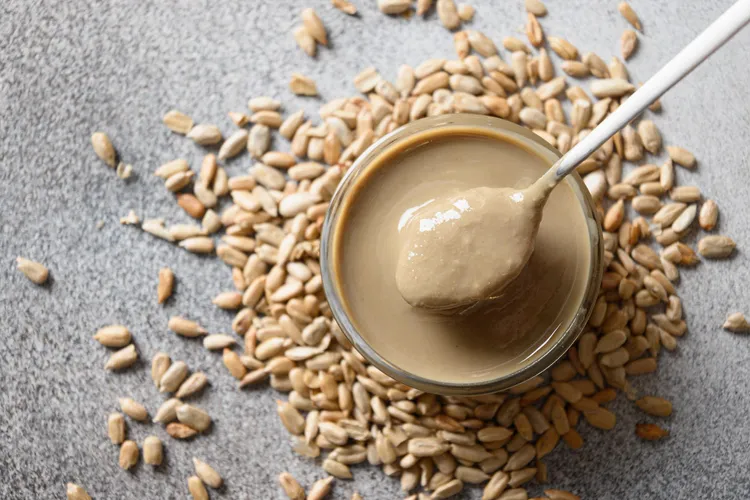
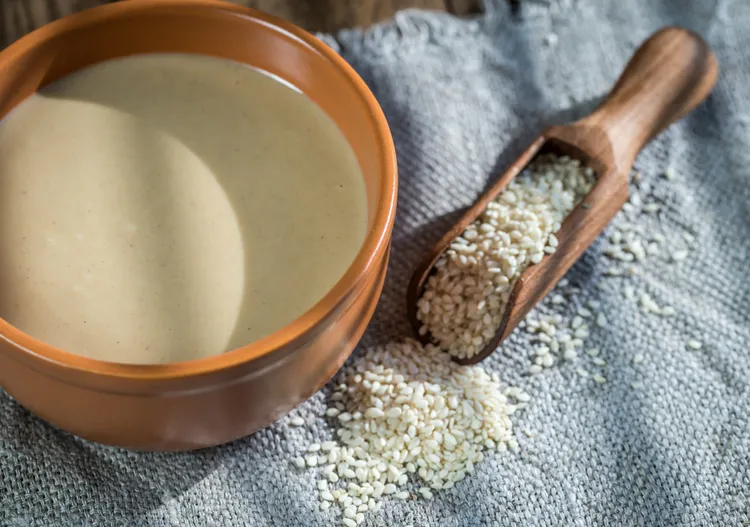
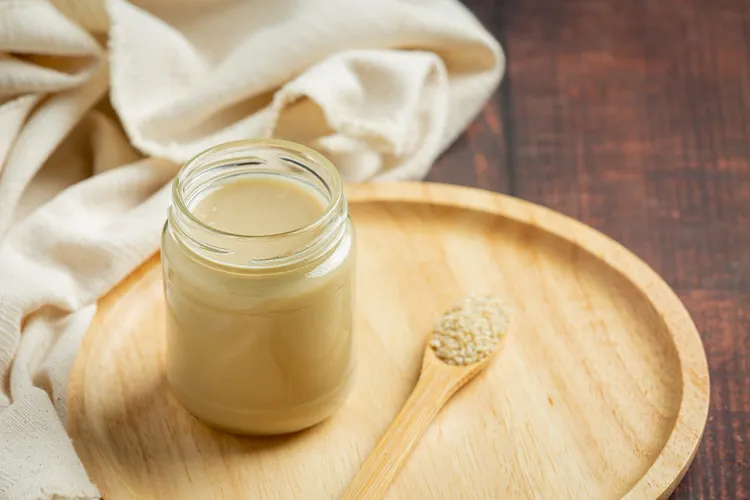
Tahini is ground sesame seed paste, nothing more. Seeds are hulled or left unhulled, roasted or left raw, then ground until the natural oils release and the mixture turns pourable. That's the entire ingredient list on a good jar - sesame seeds, sometimes a pinch of salt. Our full breakdown of what tahini is and how it's made covers the hulled-versus-unhulled distinction and why it changes both flavor and color.
Buying and Storing It Right
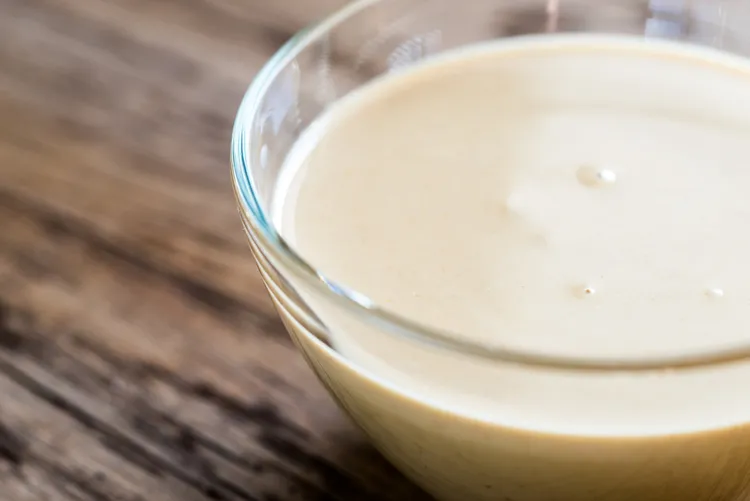
Not all tahini pours the same way, and a gritty, bitter jar will sour anyone on the ingredient before they've given it a fair shot. Our guide to choosing a good jar of tahini covers what separates a smooth, nutty jar from a chalky one, including the regional styles worth seeking out. Once it's open, tahini also separates the way natural peanut butter does, and it can go from pourable to a stubborn brick if it's stored wrong - see our storage guide for keeping it workable and how to rescue a jar that's split.
The Base Sauce Worth Memorizing
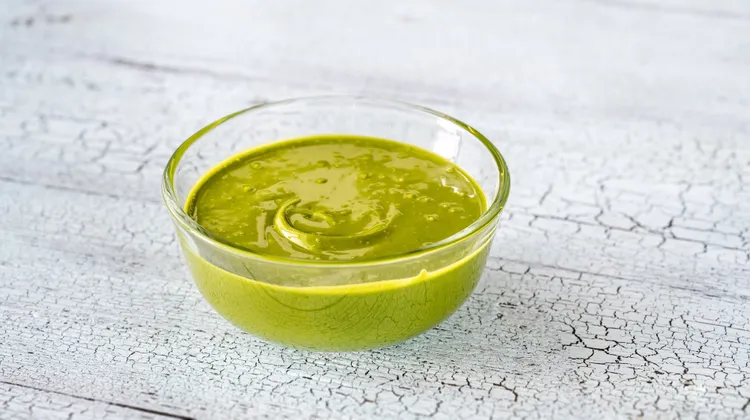
Most of tahini's savory uses trace back to one simple sauce: tahini, lemon juice, garlic, water, and salt, whisked until it turns pale and creamy. Our classic tahini sauce recipe covers the ratio and the counterintuitive step - tahini seizes up before it loosens - that trips up most people the first time they make it. Once that base sauce is second nature, a few variations open up fast. Blending in a fistful of parsley, cilantro, and mint turns it into green tahini sauce, which works especially well drizzled over roasted vegetables or falafel. Thin it slightly further and adjust the acid, and it becomes a genuinely good dairy-free salad dressing, closer to ranch or Caesar in richness than most vinaigrettes manage.
Tahini as a Marinade and Glaze
Tahini's fat content makes it a surprisingly capable marinade base, not just a finishing sauce. Whisked with lemon, garlic, and a touch of honey, it clings to chicken, salmon, or roasted vegetables and browns into a nutty, slightly caramelized crust in the oven. Our tahini marinade and glaze guide covers ratios for both a thinner marinade and a thicker roasting glaze.
Where It Gets Less Obvious
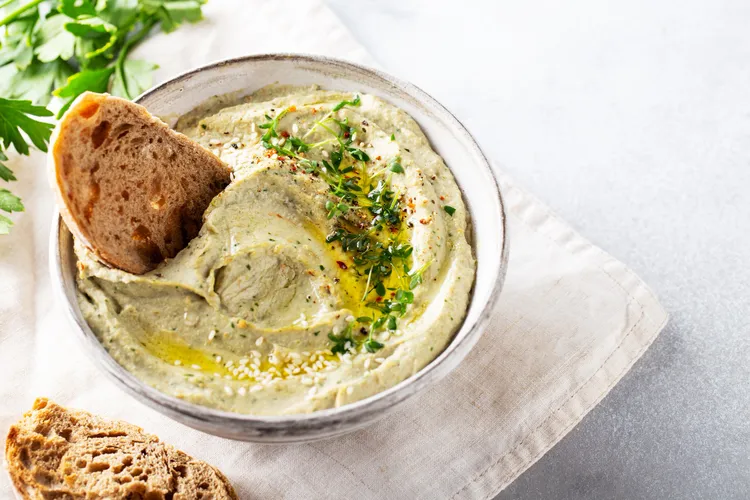
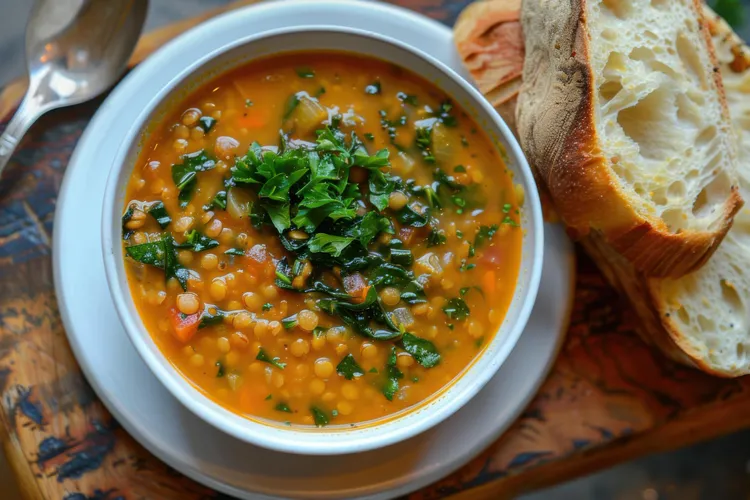
Beyond sauces and dressings, tahini shows up as a thickener in soups and stews across Middle Eastern cooking, standing in for the cream or roux a Western recipe might use. Our tahini soup guide covers the technique, including a lentil-tahini soup that's become a genuine weeknight staple for a lot of home cooks once they try it. And hummus is far from the only tahini dip worth making - our roundup of tahini dips covers baba ganoush, muhammara, and a few others that deserve equal billing.
The Sweet Side of Tahini
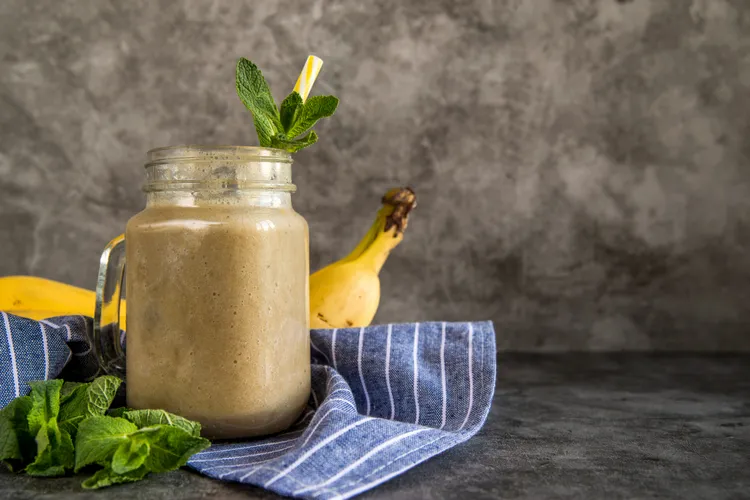
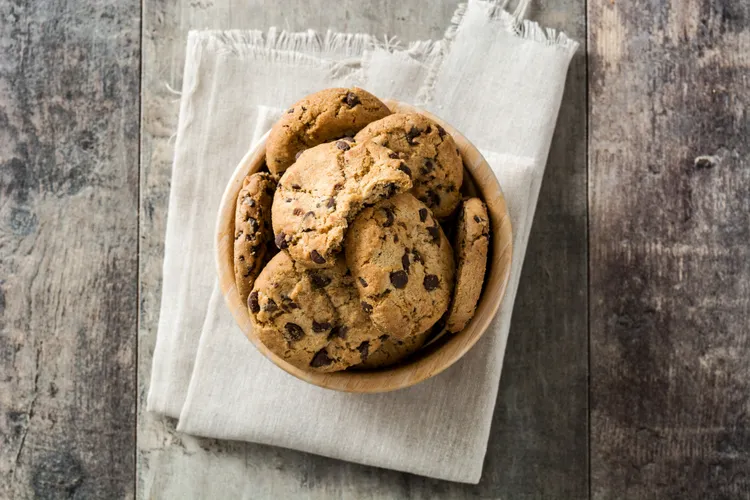
Tahini's slight bitterness is exactly what makes it work in baking - it balances sugar the way a pinch of salt does, without the heaviness peanut butter can bring to a cookie. Our guide to baking with tahini covers cookies, blondies, and a swirled brownie that leans on tahini for both flavor and a marbled look. For quicker uses, our sweet tahini guide covers smoothies, oatmeal stir-ins, and a simple halva-style bark that takes about ten minutes start to finish.
How Tahini Compares and What to Use Instead
Anyone deciding between tahini, peanut butter, and almond butter is really choosing a flavor direction as much as a nutrition profile - our comparison guide breaks down the real differences and where each one wins. And if a recipe calls for tahini and none is on hand, or a sesame allergy rules it out entirely, our substitute guide covers what actually works as a replacement and how to adjust the ratio.
Why Tahini Is Worth Keeping Stocked
A jar of tahini keeps for months, works across sweet and savory cooking, and does the job of a dressing base, a marinade, a soup thickener, and a baking fat all from one shelf-stable ingredient. Learning its handful of core techniques, rather than only pulling it out for hummus, is what turns it from a specialty purchase into one of the more useful things in the pantry.
A Brief History of Tahini
Sesame is one of the oldest cultivated oilseed crops on record, with evidence of its use stretching back thousands of years across the Middle East, the Indian subcontinent, and parts of East Asia. Tahini itself, as a smooth ground paste rather than whole or crushed seeds, became a staple specifically across the Levant, Eastern Mediterranean, and parts of North Africa, where it developed into the backbone of hummus, baba ganoush, halva, and dozens of regional sauces long before it became a familiar name on Western grocery shelves. Its spread into mainstream American and European cooking is relatively recent by comparison, tracking closely with the broader popularity of hummus over the last few decades.
Tahini in Everyday Cooking vs Special-Occasion Cooking
One of the more useful things about tahini is that it doesn't require a special occasion or an elaborate recipe to justify keeping a jar around. A weeknight dinner of roasted vegetables gets a real upgrade from a five-minute drizzle of tahini sauce; a basic bowl of oatmeal or a smoothie benefits from a spoonful stirred in. At the same time, it scales up naturally into more involved dishes - a full mezze spread, a marinated and roasted protein, a batch of baked goods - without needing a different ingredient for each occasion. That range is part of what makes it worth learning properly rather than only pulling out for a single recipe.
Common Questions About Cooking With Tahini
- Does tahini need to be refrigerated? Not necessarily. An unopened jar keeps in the pantry for months. Once opened, the pantry is fine for a jar used within a month or two; the fridge extends shelf life further but makes it thicker and harder to stir. See our storage guide for the full breakdown.
- Why does my tahini sauce look clumpy instead of smooth? This is the acid reaction that happens when lemon juice first hits tahini - it seizes before it smooths out as more liquid is whisked in. See our classic tahini sauce recipe for the full technique.
- Is tahini healthy? It's calorie-dense like any seed or nut butter, but it brings genuine nutritional value - unsaturated fat, plant protein, and minerals like calcium, copper, and manganese - and a little goes a long way given how concentrated its flavor is.
- Can I use tahini if I don't like hummus? Absolutely. Tahini's flavor in a light dressing, a roasted vegetable glaze, or a baked good is different enough from a full jar of hummus that plenty of people who find hummus overwhelming still enjoy tahini used elsewhere.
Common Mistakes to Avoid Across These Recipes
The most common mistake is skipping the stir-first step - tahini separates in the jar, and using it straight from an unstirred jar means measuring mostly oil or mostly dense paste rather than the properly blended product a recipe expects. A second common mistake is adding lemon juice or acid too fast and panicking when the mixture seizes up, rather than trusting the process and continuing to whisk in liquid gradually. A third is using a bitter, lower-quality jar and assuming that's simply what tahini tastes like - see our guide to choosing a good jar for what a genuinely good one should taste and pour like. A fourth mistake, specific to hot applications like soup, is adding tahini directly to a hot pot without tempering it first, which causes clumping that a quick temper step easily avoids.
Building a Tahini-Stocked Pantry
Beyond the jar of tahini itself, a few pantry staples make it easy to put these recipes together without a special trip to the store each time: fresh lemons or bottled lemon juice, a head of garlic, ground cumin and smoked paprika for savory applications, and honey or maple syrup for the sweeter uses. With those on hand alongside a good jar of tahini, most of the recipes in this guide come together with minimal additional shopping.
A Note on Sesame Allergies
Sesame is recognized as a major food allergen in the United States as of 2023 labeling requirements, and anyone cooking for a group should treat it with the same care as peanuts or tree nuts rather than assuming it's a safe default substitute for those allergens. If sesame is off the table for someone you're cooking for, our tahini substitute guide covers real alternatives, including sunflower seed butter, that work well across most of the recipes in this guide.
Seasonal Ways to Use Tahini
Tahini adapts well across seasons rather than being tied to one type of cooking. In colder months, it shows up most in soups and roasted vegetable applications, where its richness and warmth-friendly pairing with cumin and smoked paprika feel especially at home. In warmer months, it shifts naturally toward lighter uses - a cold tahini dressing over a summer salad, a chilled tahini-based dip for fresh vegetables, or a tahini drizzle over grilled fish. This range is part of why it's worth keeping stocked year-round rather than buying it only for a specific season or occasion.
Tahini for Meal Prep
Several of the recipes in this guide are genuinely well suited to batch cooking. A jar's worth of classic tahini sauce or tahini dressing keeps for close to a week and works across multiple meals without much repetition in flavor, since it pairs equally well with grain bowls, roasted vegetables, or a quick salad. Tahini soup also reheats well and holds up over several days, making it a reasonable candidate for a batch-cooked lunch rotation.
What a Beginner Should Try First
For anyone new to cooking with tahini, the classic tahini sauce is the single best starting point - it's fast, forgiving, and teaches the core technique (whisking in liquid gradually to move past the initial seizing reaction) that underlies most of the other savory recipes in this guide. From there, branching into a dressing or a marinade feels like a natural next step rather than a completely new skill.
A Few Tahini Pairings Worth Remembering
- Tahini and lemon: the foundational pairing behind nearly every savory application in this guide
- Tahini and cumin: a warm, earthy combination that shows up across marinades, soups, and dressings
- Tahini and honey or maple syrup: balances bitterness in both sweet and savory contexts
- Tahini and dark chocolate: a natural match in baking and simple no-cook treats
- Tahini and roasted vegetables generally: caramelized, slightly sweet vegetables balance tahini's bitterness particularly well
Keeping these pairings in mind makes it easier to improvise beyond the specific recipes in this guide once tahini's basic behavior feels familiar.
Common Sizing and Measuring Notes
Most recipes in this guide measure tahini by the tablespoon or cup after stirring, not before. Measuring from an unstirred jar, where oil and solids have separated, gives an inconsistent and usually inaccurate result, so it's worth building the stir-first habit into your measuring routine rather than treating it as optional. A standard tablespoon of well-stirred tahini weighs close to 15 grams, useful for anyone who prefers weighing ingredients over using volume measurements for consistency between batches.
Gift-Worthy Tahini Applications
A jar of homemade tahini cookies, a small container of the halva-style bark, or a bottle of green tahini sauce all make reasonable homemade gifts, particularly for anyone who already appreciates Middle Eastern flavors. Because tahini itself keeps well, these gifted items generally have a longer usable window than something perishable like fresh-baked bread, giving the recipient more flexibility in when they actually enjoy it.
Latest