Tahini in Soups and Stews (Middle Eastern Technique)
How tahini thickens and enriches soups without dairy, with a lentil tahini soup recipe and tips on avoiding clumping.
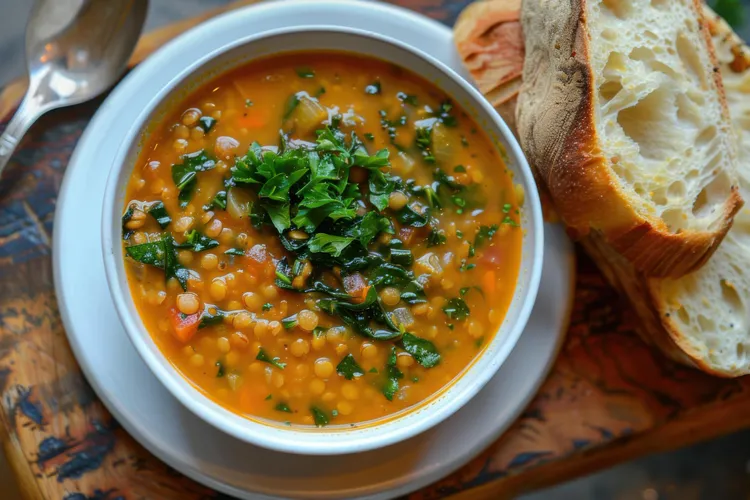
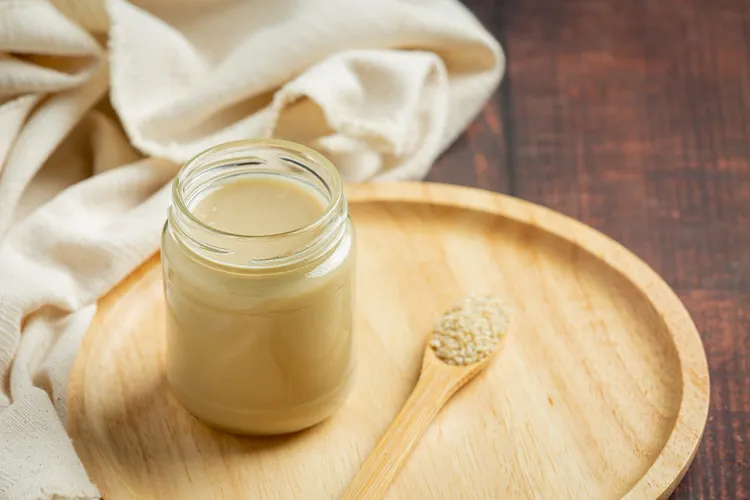
Tahini's job in a soup is a lot like cream's in a Western recipe: it thickens the liquid and adds body and richness, without needing any dairy to get there. It's a core technique across Middle Eastern cooking and one of the more underused tahini applications outside that tradition.
Lentil Tahini Soup
Prep time: 10 minutes | Cook time: 35 minutes | Serves: 4 to 6
Ingredients
- 2 tbsp olive oil
- 1 medium onion, diced
- 2 carrots, diced
- 3 garlic cloves, minced
- 1.5 tsp ground cumin
- 1 tsp ground coriander
- 1/2 tsp turmeric
- 1 cup red lentils, rinsed
- 6 cups vegetable or chicken broth
- 1/3 cup tahini, well stirred
- 3 tbsp fresh lemon juice
- Salt and black pepper, to taste
- Fresh parsley, chopped, for serving
Instructions
- Heat the olive oil in a large pot over medium heat. Add the onion and carrots and cook until softened, about 6 to 8 minutes.
- Add the garlic, cumin, coriander, and turmeric, and cook for 1 minute until fragrant.
- Add the lentils and broth. Bring to a boil, then reduce to a simmer and cook uncovered for 20 to 25 minutes, until the lentils are fully broken down and the soup has thickened.
- Ladle about 1 cup of the hot soup into a separate bowl and whisk it into the tahini to loosen it gradually - this tempers the tahini and prevents it from clumping when added back to the pot.
- Stir the tempered tahini mixture back into the soup, along with the lemon juice. Simmer for another 2 to 3 minutes, stirring, without letting it come to a hard boil.
- Season with salt and pepper, and serve topped with fresh parsley.
Notes
Tempering the tahini with warm soup first, rather than dumping it straight into the hot pot, is the key step that prevents clumping - the same principle behind tempering eggs into a hot custard.
Why Tahini Works as a Soup Thickener
Tahini's fat and protein content give it real body when whisked into a hot liquid, thickening a soup in a way similar to a roux or a dairy-based finish, but with a distinctly nuttier, slightly bitter depth that plays especially well with warm spices like cumin and coriander. Because it's plant-based, it also makes an easy substitute for cream in soups meant to stay dairy-free.
How to Add Tahini Without It Clumping
The biggest risk with adding tahini to a hot soup is the same seizing reaction that happens when mixing it with lemon juice directly - a sudden temperature or acid shock causes it to clump rather than blend smoothly. Tempering it first (whisking a ladleful of the hot soup into the tahini in a separate bowl, then stirring that mixture back into the pot) avoids this almost entirely.
Other Soups That Take Well to Tahini
- Chickpea and vegetable soups, where tahini reinforces the same flavor family already present in a lot of Middle Eastern chickpea dishes
- Roasted cauliflower soup, where tahini's nuttiness complements the vegetable's own caramelized flavor
- Simple broth-based soups looking for more body and richness without cream
How Much Tahini to Use
As a general rule, 2 to 4 tablespoons of tahini per quart of soup gives a noticeable thickening and richness without the sesame flavor overwhelming everything else. Starting on the lower end and adding more to taste is the safer approach, since tahini's flavor is concentrated and easy to overdo.
Storage and Reheating
Tahini-thickened soup keeps well in the fridge for 4 to 5 days. It will thicken further as it chills, so add a splash of broth or water when reheating to bring it back to the right consistency. Reheat gently rather than at a hard boil, since aggressive heat can cause the tahini to separate slightly, though a quick stir usually brings it back together.
For more tahini uses beyond soup, see our guide to tahini dips, or head back to our complete Tahini: The Pantry Staple That's Not Just for Hummus.
Why Tempering Matters More With Tahini Than With Some Other Thickeners
Cream, for comparison, can usually be stirred straight into a hot soup without much issue, since dairy fat doesn't react the same way tahini's proteins do to a sudden shift in temperature and pH. Tahini's proteins are more sensitive, similar to the seizing reaction that happens when lemon juice hits it directly - a sudden shock from hot liquid can cause a similar clumping if it's added too fast. Tempering (gradually warming the tahini with small additions of the hot liquid before combining it back into the pot) sidesteps this reaction almost entirely and is worth the extra minute it takes.
Adapting Other Soup Recipes to Include Tahini
Almost any brothy or pureed soup can take a tahini finish - the general approach is to temper 2 to 4 tablespoons of tahini per quart of soup with some of the hot liquid, stir it back in near the end of cooking, and finish with a splash of lemon juice to brighten the richness tahini adds. This works particularly well in soups that are already vegetable-forward, like a roasted squash or cauliflower soup, where tahini's nuttiness complements the vegetable's own natural sweetness.
Common Questions About Cooking With Tahini in Soup
- Can I use tahini in a dairy-based soup? Yes, though it's most commonly used specifically as a dairy-free alternative. Combining both isn't traditional, but there's no technical reason it wouldn't work if that's the direction you want.
- Will tahini make my soup taste like hummus? Not if it's used in a reasonable amount and balanced with the soup's other spices - tahini's flavor blends into the broth rather than dominating it the way it does in a concentrated dip.
- Can I use this soup as a base for other dishes? Yes, a tahini-thickened lentil soup works well pureed further into a smoother, more sauce-like consistency, which can then be used as a base for grain bowls or as a sauce for roasted vegetables.
- Is this soup freezer-friendly? Reasonably, though tahini-thickened soups can separate slightly more than a plain broth-based soup after freezing and thawing. A thorough stir, or a quick whisk with an immersion blender, brings it back together.
Common Mistakes When Adding Tahini to Soup
Skipping the tempering step and stirring cold or room-temperature tahini directly into a simmering pot is the single most common cause of clumpy, uneven soup - always warm the tahini gradually first. A second mistake is boiling the soup hard after the tahini has been added, which increases the risk of separation; keep the heat at a gentle simmer once tahini is in the pot. A third mistake is adding too much tahini at once in an attempt to speed up thickening, which can push the soup's flavor toward overly bitter or heavy rather than balanced - build up gradually and taste as you go.
Serving Suggestions
This soup pairs well with warm pita or flatbread for dipping, and a side of one of our tahini-based dips rounds out a full, tahini-forward meal without much additional effort. For the complete range of tahini applications, see our full Tahini: The Pantry Staple That's Not Just for Hummus.
Adjusting This Soup for Different Diets
This soup is naturally vegan if made with vegetable broth, and it's already gluten-free as written, assuming the broth used doesn't contain any gluten-based additives. For a higher-protein version, additional cooked chicken or a scoop of cooked quinoa stirred in near the end both work well without disrupting the tahini-lentil base.
Turning This Soup Into a Dip or Spread
Leftover soup, once cooled, can be blended further with a bit less liquid and used as a thick dip or spread, similar in spirit to a lentil-based hummus. This is a genuinely useful way to repurpose leftovers into something that reads as a different dish entirely, rather than just reheated soup again.
Pairing This Soup With Bread
A warm, slightly charred pita or a simple flatbread is the most natural pairing here, both for scooping and for balancing the soup's richness with something plain and starchy. A simple side salad with a bright vinaigrette also works well as a contrast to the soup's warmth and richness.
Why This Recipe Works as an Introduction to Tahini in Cooking
For anyone hesitant about tahini's more assertive raw flavor, this soup is a gentle introduction, since the tahini's richness comes through as body and depth rather than a dominant, easily identifiable taste. It's a good recipe to make for someone trying tahini for the first time who might be put off by a more concentrated application like a straight sauce or dip.
Related Recipes
For more on tahini's savory applications, see our guide to tahini dips. For the complete range of tahini uses, see our full Tahini: The Pantry Staple That's Not Just for Hummus.
Comparing This to a Cream-Based Lentil Soup
A cream-finished lentil soup delivers richness primarily through dairy fat, while this tahini version achieves a similar body and richness through the sesame paste's own fat and protein content, with the added benefit of a more complex, nutty flavor layered on top of the basic lentil and spice base. For anyone comparing the two side by side, the tahini version generally reads as more distinctly flavored rather than simply rich.
Doubling the Batch for Freezing
This soup freezes well in individual portions, making a double batch a reasonable choice for anyone wanting several ready-to-reheat meals on hand. Freeze before adding a final lemon juice adjustment, and add fresh lemon after reheating for the brightest flavor.
A Note on Ingredient Substitutions for This Soup
Green or brown lentils can substitute for red lentils in this recipe, though they hold their shape more and won't break down into the same smooth, thickened texture red lentils naturally provide - expect a heartier, more textured soup with a longer cook time if substituting. Both work well, they simply produce a noticeably different final result.
Why This Recipe Works Well for Batch Cooking
This soup's ingredients are almost entirely pantry and fridge staples - onion, carrot, lentils, broth, tahini, and spices most people already have on hand - making it an easy recipe to put together on short notice without a dedicated shopping trip, and a reliable one to return to repeatedly as part of a regular meal rotation.
Garnishing
Beyond parsley, a light drizzle of olive oil and a pinch of chili flakes on top just before serving adds both visual appeal and a bit of extra richness and heat that rounds out the bowl nicely.
A final squeeze of lemon and a drizzle of good olive oil right before serving, added at the table rather than during cooking, keeps the brightest flavors from dulling over a longer simmer or a day spent in the fridge as leftovers.
This soup is also a reasonable way to introduce someone unfamiliar with tahini to the ingredient in general, since its role here is subtle and supportive rather than front-and-center, making it a gentler entry point than a straight tahini sauce or dip might be for a first-time taster.
A crusty piece of bread on the side turns this soup into a fully satisfying meal on its own, without needing a separate side dish or protein to round things out on a busy weeknight.
Written down or bookmarked, this soup earns its place as a genuine cold-weather staple, the kind of recipe that gets remade through an entire winter once it's been tried once and liked.
A dollop of extra tahini swirled on top just before serving adds a nice visual finish along with a bit more richness in every bite.
Serve it piping hot for the best texture and flavor overall.
Latest