Tahini Substitutes (When You're Out or Have an Allergy)
Real substitutes for tahini when you're out or managing a sesame allergy, including sunflower seed butter and adjustment ratios by use case.
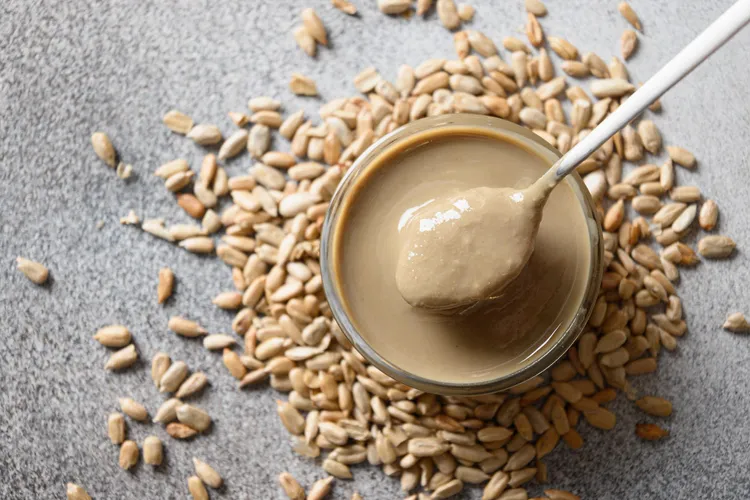
Running out of tahini mid-recipe, or cooking for someone with a sesame allergy, doesn't have to mean skipping a recipe entirely - a handful of real substitutes work reasonably well, though none behaves quite identically.
Sunflower Seed Butter (Best Overall Substitute)
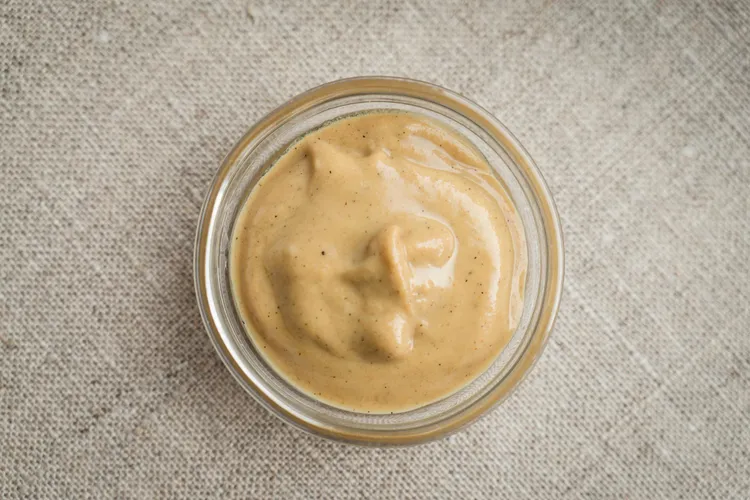
Sunflower seed butter is the closest match to tahini in both texture and its slightly bitter, savory flavor profile, and it's the standard recommendation for anyone avoiding sesame specifically due to allergy. Substitute it 1:1 for tahini in sauces, dressings, and baking. The main difference is a slightly sweeter, less complex flavor than tahini, and sunflower seed butter can turn baked goods slightly green over time due to a natural reaction between its chlorogenic acid and baking soda - harmless, but worth knowing about in advance so it doesn't look like a mistake.
Pumpkin Seed Butter
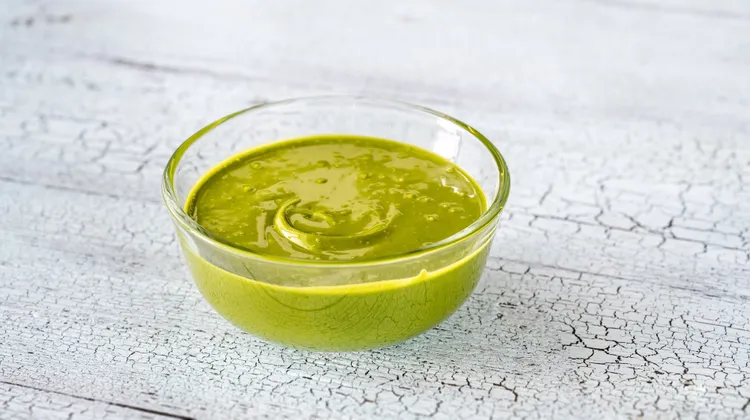
Pumpkin seed butter (pepitas ground into a paste) is a less common but workable substitute, with a milder, slightly sweeter flavor than tahini and a similar pourable texture. It works well in dressings and sauces, though it lacks tahini's characteristic bitterness, so the final flavor will read as noticeably milder.
Peanut Butter or Almond Butter
In a pinch, peanut or almond butter can substitute for tahini, particularly in baking, though the flavor shift is more noticeable than with a seed-based substitute - both are sweeter and less bitter than tahini, and neither carries the same savory, Middle Eastern flavor profile. Thin with a bit of extra water or oil to match tahini's pourable consistency, since both nut butters are considerably thicker straight from the jar. See our full comparison guide for more on how these differ.
Cashew Butter
Cashew butter is milder and creamier than tahini, without much bitterness at all, making it a reasonable substitute in sauces and dressings where you want richness without tahini's more assertive flavor coming through. It works less well as a substitute in recipes specifically built around tahini's distinct bitterness, like a classic tahini sauce.
Making a Rough Tahini Substitute at Home
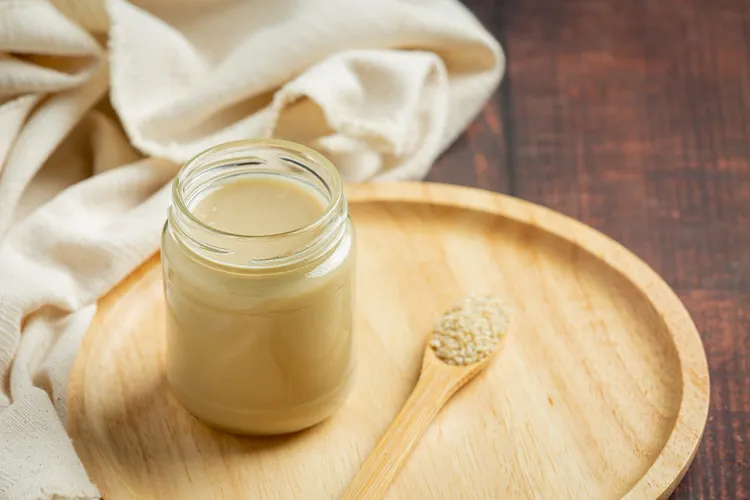
If none of the above are on hand, toasted sesame seeds can be ground into a rough homemade tahini using a food processor: toast raw sesame seeds lightly in a dry pan until fragrant, then process for several minutes with a small amount of neutral oil until smooth, scraping down the sides regularly. This won't be quite as smooth as a commercial jar, but it works in a pinch and confirms whether it's genuinely tahini you're out of, or just a smooth jar of it.
Substitution Ratios by Use Case
- Sauces and dressings: Sunflower seed butter, 1:1, is the closest match. Thin as needed to match tahini's pourable consistency.
- Baking: Any of the above work reasonably well 1:1, with peanut or almond butter shifting the flavor toward sweeter and more familiar.
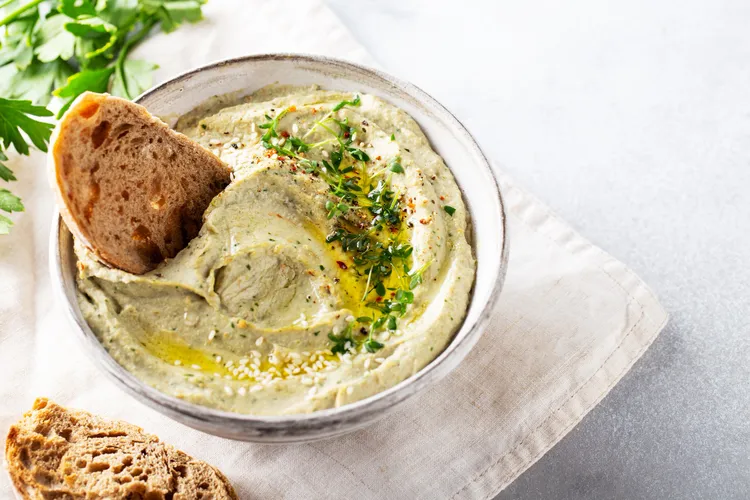
- Hummus: Sunflower seed butter is again the closest match, though the hummus will taste noticeably different from a traditional version regardless of substitute used.
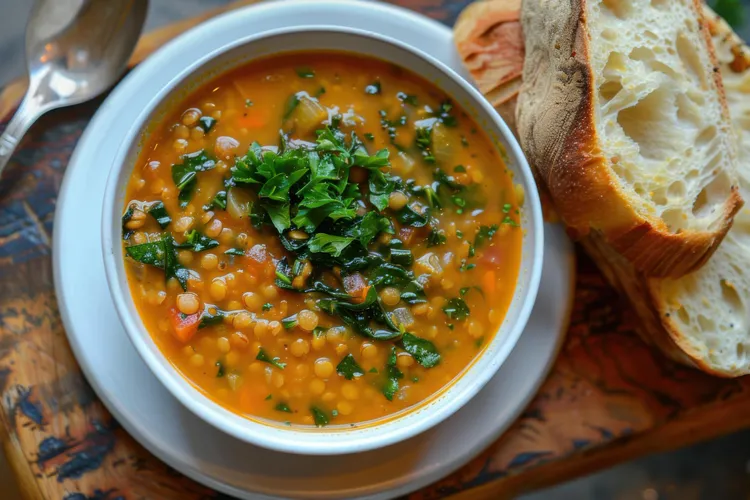
- Soups: Cashew butter or a small amount of coconut cream can approximate tahini's thickening role, though neither replicates the same nutty flavor.
When There's No Good Substitute
For recipes where tahini's specific bitterness is the entire point, like a classic tahini sauce or a swirled dessert built around that contrast, no substitute fully replicates the flavor - the dish will still work, but it will taste like a different (still good) thing rather than a faithful version of the original.
For everything else tahini can do when you do have a jar on hand, see our complete Tahini: The Pantry Staple That's Not Just for Hummus.
Why Substitutes Never Fully Match Tahini's Flavor
Tahini's specific combination of nuttiness, bitterness, and thin, pourable texture is fairly unique among seed and nut butters, which is why every substitute on this list involves some kind of tradeoff rather than a seamless swap. Sunflower seed butter comes closest largely because it shares tahini's savory, slightly bitter character, but even it lacks some of sesame's specific depth. Understanding this upfront sets realistic expectations - a substitute recipe will still be good, but it's reasonable to expect a noticeably different result rather than an identical one.
Matching Substitutes to Specific Recipes in This Guide
- For classic tahini sauce: Sunflower seed butter is the closest match and works well 1:1 with the same lemon and garlic ratio.
- For tahini soup: Cashew butter or a small amount of coconut cream approximates the thickening effect, though neither replicates tahini's specific flavor.
- For tahini baking recipes: Sunflower seed butter, peanut butter, or almond butter all work reasonably well, with peanut and almond shifting the flavor toward sweeter and more familiar.
- For tahini dips: Sunflower seed butter remains the closest overall match, particularly for baba ganoush and tarator where tahini's flavor is central.
Shopping for Substitute Ingredients
Sunflower seed butter has become widely available in most mainstream grocery stores over the past several years, often stocked directly alongside peanut and almond butter given its growing popularity as an allergy-friendly option. Pumpkin seed butter and cashew butter are somewhat less universally stocked but are readily available at natural foods stores or online if a local grocery store doesn't carry them.
Common Questions About Tahini Substitutes
- Is sunflower seed butter as nutritious as tahini? It's broadly comparable in calories and fat content, though tahini generally has a higher calcium and mineral content, particularly the unhulled version. Sunflower seed butter is a solid source of vitamin E and other nutrients in its own right.
- Can I make hummus with a substitute and have it still taste good? Yes, though it won't taste like traditional hummus - sunflower seed hummus, for instance, has become its own reasonably popular variation in its own right, appreciated on its own terms rather than as a strict tahini replica.
- What if I'm allergic to all seeds and nuts? This is a harder situation - most of the substitutes above are themselves seeds or nuts. In that case, a small amount of neutral oil with extra lemon, garlic, and salt can approximate some of a tahini sauce's function, though it won't replicate the same richness or flavor.
- Does homemade tahini taste as good as store-bought? A homemade version made from toasted sesame seeds and a food processor gets reasonably close, though it's typically a bit coarser in texture than a commercially milled jar, since home equipment doesn't grind quite as finely.
Common Mistakes When Substituting
The most common mistake is substituting a much sweeter nut butter (like peanut or almond) into a recipe specifically built around tahini's bitterness without adjusting other ingredients to compensate, resulting in something oddly sweet rather than properly balanced. A second mistake is not thinning a thicker substitute like peanut or almond butter enough to match tahini's naturally pourable consistency, leading to a sauce or dressing that's too thick to use as intended. A third mistake is assuming any seed or nut butter will work interchangeably in every application without testing a small batch first, particularly in a recipe where tahini's flavor is central rather than incidental.
Getting Back to the Real Thing
Substitutes are a reasonable stopgap, but once a good jar of real tahini is back in the pantry, our buying guide covers how to pick one that pours and tastes right, and our full Tahini: The Pantry Staple That's Not Just for Hummus covers everything worth doing with it.
Testing a Substitute Before Committing to a Full Recipe
Before using an unfamiliar substitute in a large batch or for guests, making a small test portion - a single serving of dressing or a couple of test cookies rather than a full batch - is a reasonable way to confirm the substitute's flavor and texture work as expected before committing a full recipe's worth of other ingredients to it.
Adjusting Sweetness and Salt When Substituting
Because most substitutes on this list are milder or sweeter than tahini, a recipe may need a small increase in salt or a specific savory element (like an extra pinch of cumin or a touch more garlic) to compensate for the depth tahini would otherwise have provided. This is a more reliable fix than trying to force a substitute to taste identical to tahini, which usually isn't achievable.
Substitute Availability by Region
Sunflower seed butter is widely available across most of the US and Canada at this point, generally shelved alongside other nut and seed butters in mainstream grocery stores. In regions where it's harder to find, natural food stores, larger warehouse retailers, or online ordering are all reliable fallback options.
A Longer-Term Fix: Keeping a Backup Jar
For anyone who cooks with tahini regularly enough to be inconvenienced by running out mid-recipe, keeping an unopened backup jar in the pantry (tahini's long shelf life makes this an easy habit) avoids needing a substitute at all in most situations, reserving these substitute options for genuine allergy needs rather than simple running-out situations.
Full Circle
Substitutes have their place, but they're ultimately a workaround rather than a replacement for what tahini itself brings to a dish. For everything tahini can do with a proper jar on hand, see our full Tahini: The Pantry Staple That's Not Just for Hummus.
A Quick Substitute Cheat Sheet
- Closest overall match: Sunflower seed butter
- Mildest option: Cashew butter
- Most widely available in a pinch: Peanut butter or almond butter
- Best for a from-scratch fix: Homemade blended toasted sesame seeds
Comparing Substitute Cost to Real Tahini
Sunflower seed butter, the closest substitute, is often priced similarly to or even below tahini in most mainstream grocery stores, making it a reasonable everyday alternative rather than strictly an emergency fallback for anyone who prefers its flavor or needs to avoid sesame specifically. Cashew and pumpkin seed butters tend to run somewhat more expensive by comparison.
When a Substitute Might Actually Be Preferred
Some people genuinely prefer the milder, less bitter flavor of a substitute like cashew butter or sunflower seed butter in certain applications, particularly for anyone who finds tahini's assertiveness a bit much in a delicate dish. There's no requirement to treat tahini as strictly superior in every case - the "best" ingredient is still the one that best matches what you're trying to make and enjoy eating.
Reading Labels for Substitute Products
Just as with tahini itself, checking the ingredient list on a substitute like sunflower seed butter matters - some brands add sugar, oil, or salt beyond what a recipe accounts for, which can throw off the final balance if not adjusted for. A short ingredient list remains the best general indicator of quality across any of these substitute options.
One Last Practical Note
Labeling a substitute clearly if it's stored in a repurposed tahini jar avoids confusion later, particularly in a household where more than one person cooks and might otherwise assume the jar contains tahini itself.
Whichever substitute you land on, giving yourself permission to treat the resulting dish as its own thing, rather than judging it strictly against a tahini-based original, generally leads to a better cooking experience and a result you're more likely to make again.
Keeping a small note of which substitute worked best for which specific recipe, whether that's jotted in a recipe box or saved digitally, saves real time the next time a jar runs out or a guest with a sesame allergy is coming over for dinner.
If cooking for a gathering where allergies are unknown, defaulting to a nut- and seed-free version of a recipe, or clearly labeling which dish contains which substitute, is the safest approach when in doubt about who might be affected.
With a reliable substitute identified and tested ahead of time, running out of tahini or cooking for a sesame allergy stops being a genuine obstacle and becomes simply a minor adjustment to an otherwise familiar recipe.
Allergy Disclaimer: Please check all ingredient labels carefully before preparing or consuming any recipe. Ingredients and products may contain allergens or traces of allergens. If you have a food allergy or intolerance, make sure the recipe is suitable for your dietary needs. When in doubt, consult a qualified healthcare professional.
Latest