Mexican and Tex-Mex Recipes That Actually Use Mexican Oregano
Chili, tacos, and salsa: dishes where using the right oregano variety genuinely changes the result.
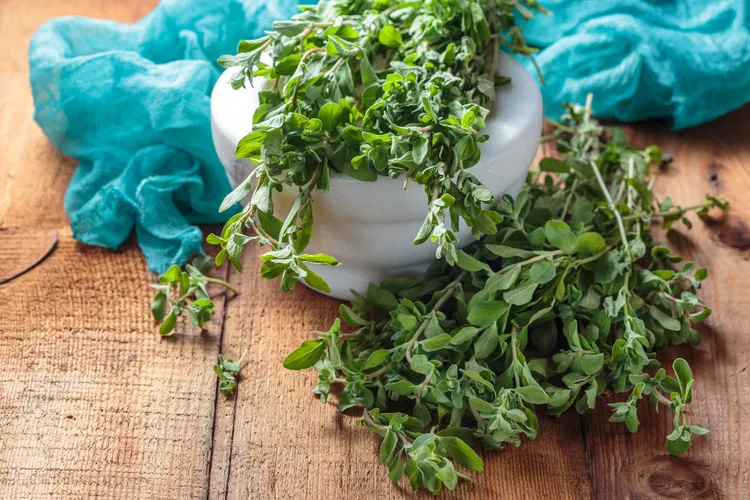
A handful of classic Mexican and Tex-Mex dishes are built around Mexican oregano's citrusy, earthy flavor specifically, and swapping in Mediterranean oregano changes the result more than most substitutions would.
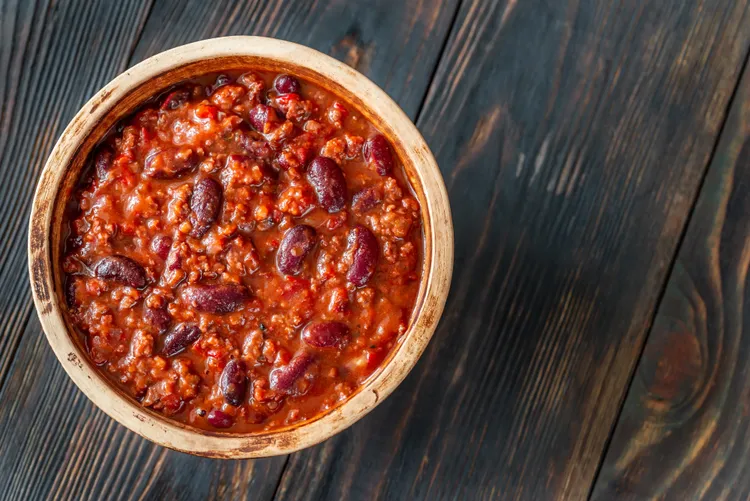
Chili con Carne
Brown ground beef with diced onion and garlic, then add chili powder, cumin, 1 to 2 teaspoons dried Mexican oregano, canned tomatoes, and beans. Simmer for 30 to 45 minutes, letting the flavors meld. Mexican oregano's earthy, slightly citrusy edge is a defining, if often unnoticed, part of what makes a well-made chili taste distinctly right rather than generically tomato-and-meat flavored.
Homemade Taco Seasoning
Combine 2 tablespoons chili powder, 1 tablespoon ground cumin, 2 teaspoons dried Mexican oregano, 1 teaspoon garlic powder, 1 teaspoon onion powder, 1/2 teaspoon smoked paprika, and salt to taste. Use about 2 tablespoons of this blend per pound of ground meat for tacos, adjusting to taste. This outperforms most packaged taco seasoning mixes, both in flavor and in avoiding the excess salt and fillers many commercial versions include.
Salsa Roja
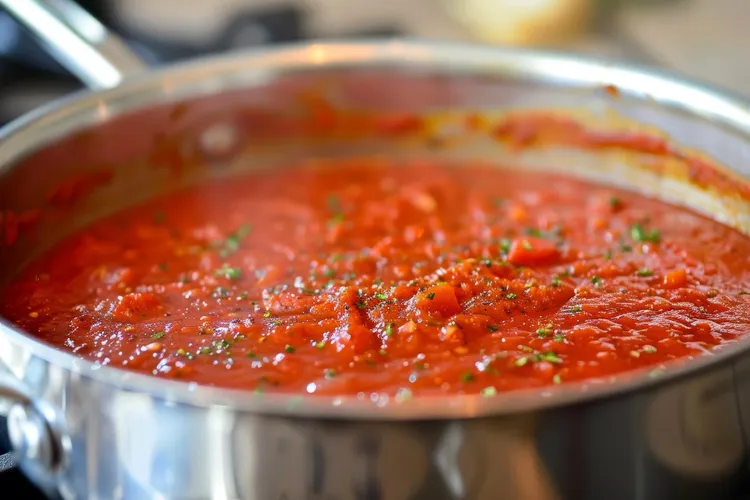
Char tomatoes, a jalapeno or two, and a quarter onion under a broiler or on a hot skillet until blistered, then blend with a clove of garlic, a small handful of cilantro, salt, and 1/2 teaspoon dried Mexican oregano. The oregano's presence is subtle in a finished salsa but contributes a real depth that's noticeably absent if the herb is left out or substituted with the Mediterranean variety.
Pozole
This traditional Mexican hominy soup, whether made with pork or chicken, typically includes dried Mexican oregano both in the simmering broth and as a tableside garnish alongside shredded cabbage, radish, and lime. The oregano's flavor is meant to come through clearly here, making this one of the dishes where the variety distinction matters most.
Simple Mexican-Style Rice
Saute rice in a bit of oil until lightly toasted, then add tomato sauce or diced tomatoes, stock, a pinch of cumin, and 1/2 teaspoon dried Mexican oregano before covering and simmering until the rice is tender. This is a smaller, more background use of oregano compared to the dishes above, but it still benefits from the correct variety's citrusy note.
Toasting Mexican Oregano for More Flavor
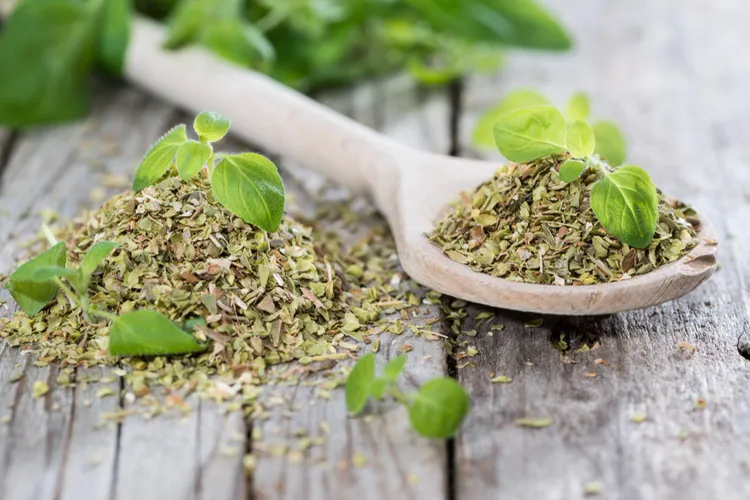
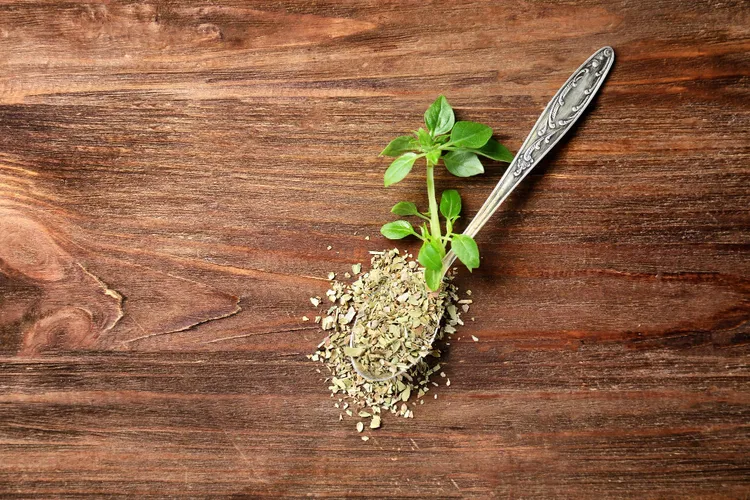
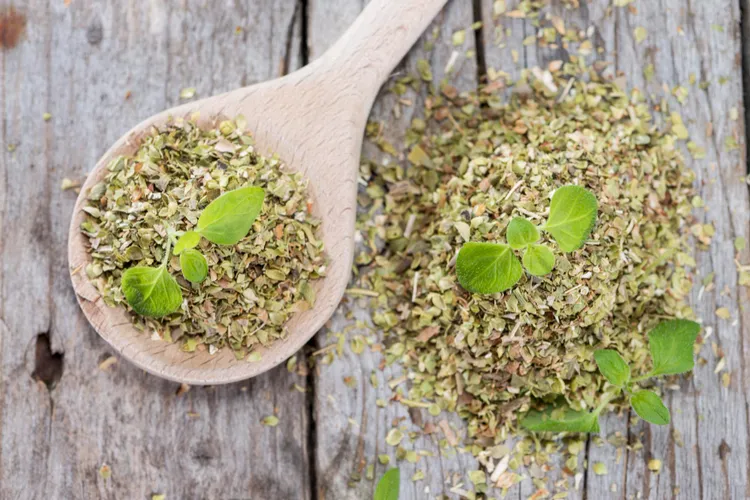
Briefly toasting dried Mexican oregano in a dry skillet for a few seconds before adding it to a dish, similar to toasting whole cumin seeds, can bring out a deeper, more rounded version of its citrusy, earthy character. This is a small step but one worth trying for dishes like chili or pozole where oregano plays a more prominent role and the extra depth is noticeable.
Buying and Storing Mexican Oregano
Because Mexican oregano is somewhat less commonly stocked than the Mediterranean variety, it's worth buying a reasonable quantity when you find a good source rather than a tiny amount that runs out quickly. Stored the same way as any dried herb, airtight, away from heat and light, it holds good flavor for close to a year, similar to Mediterranean oregano's shelf life.
Common Mistakes
- Grabbing whatever oregano jar is in the cabinet without checking the variety. Most households only stock Mediterranean oregano by default; check the label or consider buying Mexican oregano specifically if these dishes are a regular part of your cooking.
- Assuming the substitution doesn't matter much. In a subtle dish like salsa or rice, the difference is noticeable to an attentive palate even if it's not dramatic.
- Over-toasting dried oregano before adding it to a dish. A quick toast in a dry pan can enhance oregano's flavor, but too long can scorch it and introduce bitterness; a few seconds is enough.
- Adding oregano too late in a long-simmered chili or pozole. These dishes benefit from oregano added early, similar to the timing guidance that applies to other long-simmered dishes; see Oregano in Soups and Stews for more on this.
Frequently Asked Questions
Where can I reliably find Mexican oregano?
Latin American grocery stores carry it reliably, and it's increasingly available in the international aisle of larger supermarkets or through online spice retailers; see Mexican Oregano vs Mediterranean Oregano for more on sourcing it.
Can I substitute Mediterranean oregano in a pinch?
Yes, the dish will still work and taste good, just with a somewhat different, less citrusy character than intended; it's a reasonable substitute rather than a dealbreaker.
Does fresh Mexican oregano exist, or is it typically sold dried?
It's most commonly available dried, though fresh can occasionally be found at specialty markets; most traditional recipes assume the dried form given how much more common it is in this variety specifically.
What other dishes beyond the ones listed commonly use Mexican oregano?
Menudo, birria, and various regional mole variations all typically include it, generally added early in the cooking process alongside other dried spices.
If Mexican and Tex-Mex dishes are a regular part of a household's weekly meal plan, it's worth seeking out Mexican oregano specifically and keeping it stocked alongside Mediterranean oregano, since the two aren't truly interchangeable for these particular dishes.
Latest