Oregano in Soups and Stews: When to Add It and Why
Timing guidance for adding oregano across minestrone, chili, and Greek-style soups.
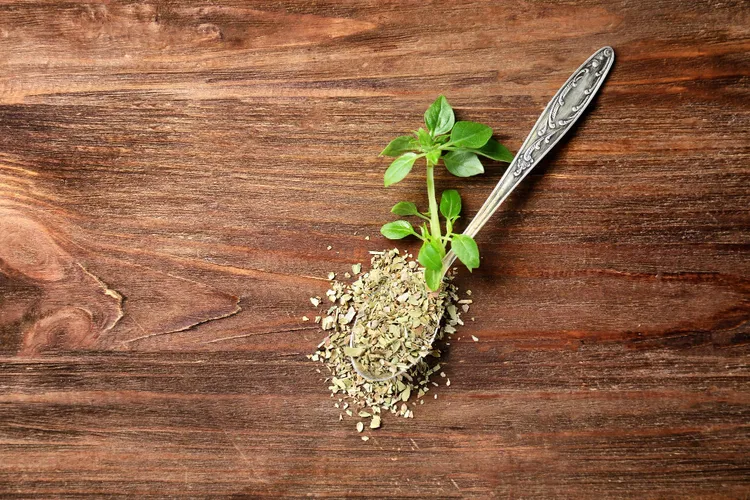
Oregano behaves differently depending on when it enters a simmering pot, and a soup or stew's overall cooking time is the main factor in deciding whether to add it at the start, partway through, or right at the end.
The General Principle
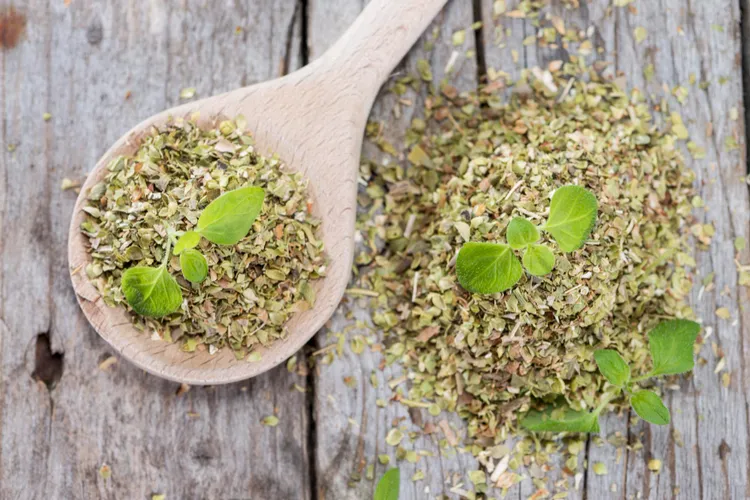
Dried oregano benefits from time in a simmering liquid to rehydrate and release its oils fully, so for most soups and stews with a real simmer time, 20 minutes or more, adding it toward the beginning gives the best, most integrated result. For quicker soups, or when using fresh oregano, adding it later preserves more of its brighter character rather than letting a shorter cooking time only partially develop it.
Minestrone and Other Long-Simmered Vegetable Soups
Add dried oregano early, alongside the other aromatics like onion and garlic, so it has the full simmer time, often 30 to 45 minutes for a proper minestrone, to fully integrate into the broth. A small fresh garnish at the end is optional but not necessary, since the dried oregano added early already carries most of the dish's oregano character.
Chili
Similar to minestrone, chili's long simmer time, often an hour or more, means dried Mexican oregano (see Mexican and Tex-Mex Recipes That Actually Use Mexican Oregano) benefits from being added early alongside the other spices. Some cooks add a small additional pinch in the final 10 minutes to refresh the flavor, similar to the two-stage approach used in the marinara recipe covered in Classic Marinara and Pizza Sauce.
Greek-Style Lemon Soups (Avgolemono and Similar)
These soups typically have a shorter overall cooking time and a delicate, egg-thickened broth that can be thrown off balance by too much bold, early-added oregano. If oregano is included at all in a variation of this soup, a small amount added near the end, or reserved as a light fresh garnish, respects the dish's more delicate character better than a heavy early addition would.
Quick Weeknight Soups
For a soup with a total cooking time under 20 minutes, dried oregano may not have enough time to fully rehydrate and release its flavor if added right at the very start. In these cases, adding it about 10 minutes before the soup is done, rather than at the very beginning, gives it enough time to integrate without under-serving a genuinely short cooking window.
Reheated Soups and Stews
Oregano's flavor mellows somewhat over a day or two of storage, even after the soup or stew is fully cooked, which is part of why many long-simmered dishes taste even better the next day but occasionally benefit from a small fresh pinch stirred in during reheating if the oregano presence has faded more than the rest of the dish's flavors.
A Practical Way to Remember the Timing Rule
As a simple heuristic: if a dish is going to simmer for 20 minutes or more, oregano generally goes in early. If it's going to cook for less than that, or isn't cooked at all, oregano goes in late or is used fresh. This single rule of thumb covers the majority of soup and stew situations without needing to memorize a separate timing approach for every specific dish.
Common Mistakes
- Adding oregano at the same point regardless of the dish's total cooking time. A one-size-fits-all timing approach misses the nuance that makes oregano's timing worth thinking about in the first place.
- Adding fresh oregano too early in a long-simmered soup. Fresh oregano's brighter flavor fades with prolonged cooking; if using fresh in a long-simmered dish, add it toward the end instead.
- Forgetting oregano loses potency the longer a pot sits, even after cooking is done. A soup or stew reheated the next day may taste like it needs a fresh pinch of oregano stirred in, since some of the original flavor mellows with time in storage.
- Not tasting partway through a long simmer. Checking flavor development at the midpoint, not just at the end, helps catch an under- or over-seasoned dish early enough to correct it easily.
Frequently Asked Questions
Does this timing guidance apply to fresh oregano the same way as dried?
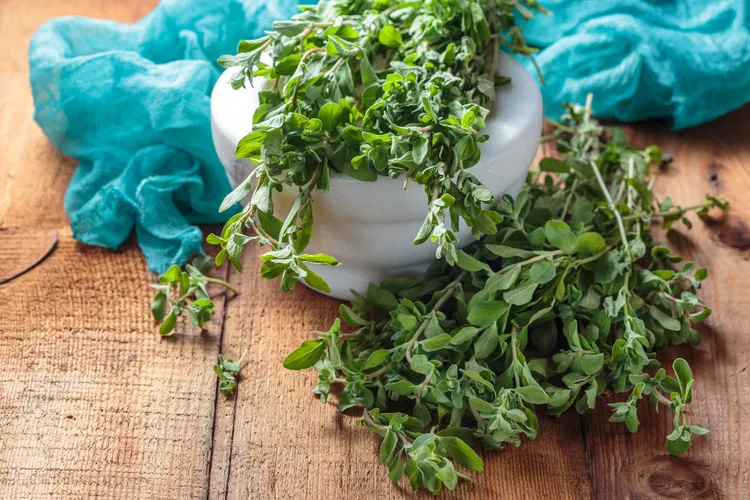
Not exactly; fresh oregano generally does better added later in a simmering dish regardless of total cooking time, since it doesn't need the same rehydration period dried oregano does and its flavor fades faster under prolonged heat.
Can I add too much oregano even with the right timing?
Yes, timing affects how the flavor develops, but doesn't change the total amount that's appropriate; see How Much Oregano Is Too Much? for quantity guidance separate from timing.
Should I taste and adjust oregano levels partway through a long simmer?
Yes, this is good practice generally; taste partway through and again near the end, adding a bit more if the flavor feels underdeveloped rather than assuming the initial measurement was final.
Does this same timing principle apply to other dried herbs besides oregano?
Broadly yes, most sturdy dried herbs benefit from early addition in a long-simmered dish, while delicate fresh herbs generally do better added toward the end; oregano's specific concentration behavior when dried makes this principle especially worth following closely.
Think about a soup or stew's total cooking time before deciding when to add oregano, rather than defaulting to the same habit for every recipe. Planning a batch of a longer-simmered soup into a weekly meal plan for a day with more time available makes it easier to let oregano fully integrate rather than rushing the process.
Latest