Classic Marinara and Pizza Sauce: Getting the Oregano Right
A base tomato sauce recipe with guidance on exactly when to add oregano for the best flavor.
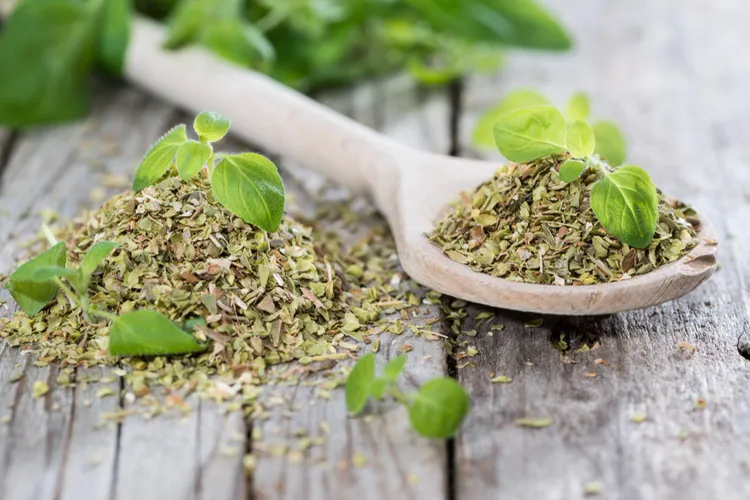
Oregano is one of the defining flavors of a good marinara or pizza sauce, but when it goes into the pot matters just as much as how much goes in.
Base Marinara Sauce
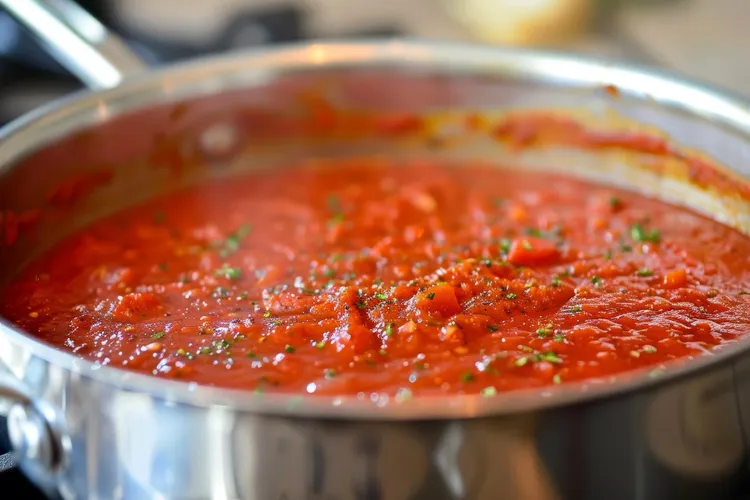
Saute a diced onion and 2 to 3 cloves minced garlic in olive oil over medium heat until softened, about 5 minutes. Add a 28-ounce can of crushed tomatoes, 1/2 teaspoon dried oregano, a pinch of red pepper flakes if wanted, and salt to taste. Simmer uncovered for 25 to 30 minutes, stirring occasionally, until the sauce thickens slightly. Stir in another 1/2 teaspoon dried oregano in the final 5 minutes of cooking, along with a small handful of fresh basil if available.
Why Two Additions of Oregano
Adding oregano early gives it time to fully rehydrate and integrate into the sauce, mellowing its sharper edges and contributing a rounder, more cooked-in flavor throughout. Adding a second small amount near the end preserves some of dried oregano's brighter, more pungent character, which tends to fade the longer it simmers. This two-stage approach produces a more layered result than a single addition at either point alone.
Adapting the Base Sauce for Pizza
For a pizza sauce specifically, reduce the simmer time to about 15 minutes for a slightly looser, less reduced sauce, and skip the final basil addition if the pizza itself will include fresh basil after baking. Pizza sauce also generally benefits from a touch more oregano relative to marinara, since it's spread thinly and needs to carry flavor across a large surface area rather than being concentrated in a bowl of pasta.
Using Fresh Oregano Instead
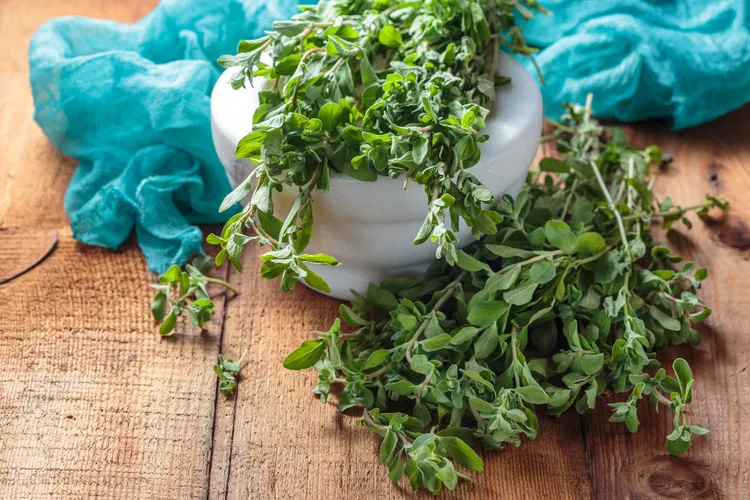
If using fresh oregano rather than dried, add it primarily at the end of cooking rather than the beginning, since fresh oregano's flavor fades faster with prolonged heat than dried oregano's does. A tablespoon of finely chopped fresh oregano stirred in during the last few minutes gives a brighter, though generally milder, oregano presence than the dried two-stage method above.
Building Additional Flavor Into the Base
A small amount of dried basil, about a quarter teaspoon added alongside the first oregano addition, rounds out the sauce without competing with oregano's lead role. A pinch of sugar can help balance a particularly acidic batch of tomatoes, letting the oregano's flavor come through more clearly rather than being masked by excess acidity.
Scaling for a Larger Batch
This recipe doubles or triples cleanly for a big batch meant for freezing; just use a pot large enough to accommodate the increased volume without needing an excessively long simmer to reduce it properly. The two-stage oregano approach still applies at any scale, just increase both additions proportionally.
Common Mistakes
- Adding all the oregano at the very end. This misses the rounder, more integrated flavor that comes from letting dried oregano rehydrate during a longer simmer.
- Using too much oregano relative to the tomatoes. Oregano should support the tomato flavor, not overwhelm it; start with the amounts above and adjust to taste rather than assuming more is always better.
- Treating fresh and dried oregano as interchangeable at the same measurement and same timing. See How to Substitute Fresh Oregano for Dried for the actual conversion and timing adjustments needed.
- Skipping a taste test at each stage. Tasting after the early addition and again after the late addition helps confirm the two-stage approach is actually delivering the intended layered flavor rather than just adding oregano twice out of habit.
Frequently Asked Questions
Can I make this sauce ahead and freeze it?
Yes, marinara freezes well for up to 3 months; consider adding the final oregano addition after thawing and reheating rather than before freezing, for the brightest flavor.
Does the type of tomato affect how much oregano to use?
Somewhat; sweeter, less acidic tomatoes can handle a bit more oregano without the dish tasting unbalanced, while a more acidic tomato may need the oregano dialed back slightly to avoid the sauce tasting sharp overall.
Should I use Mexican or Mediterranean oregano for marinara?
Mediterranean oregano is the traditional and generally preferred choice for Italian-style tomato sauces; see Mexican Oregano vs Mediterranean Oregano for why the distinction matters.
Can I use this same sauce as a base for other Italian-American dishes?
Yes, it works well as a base for baked ziti, chicken parmesan, or a simple meatball dish, with the same two-stage oregano approach carrying through to any of these applications.
Taste the sauce at both oregano addition points, not just at the very end, to understand how the flavor develops through the two-stage approach. Making a double batch and freezing half is an efficient way to always have a base sauce ready, and planning a pizza or pasta night into a weekly meal plan around a batch already in the freezer saves real time on a busy evening.
Latest