Tahini Marinade and Glaze for Chicken, Salmon, and Vegetables
A tahini-based marinade and roasting glaze recipe for chicken, salmon, and vegetables, with tips on getting good caramelization without burning.
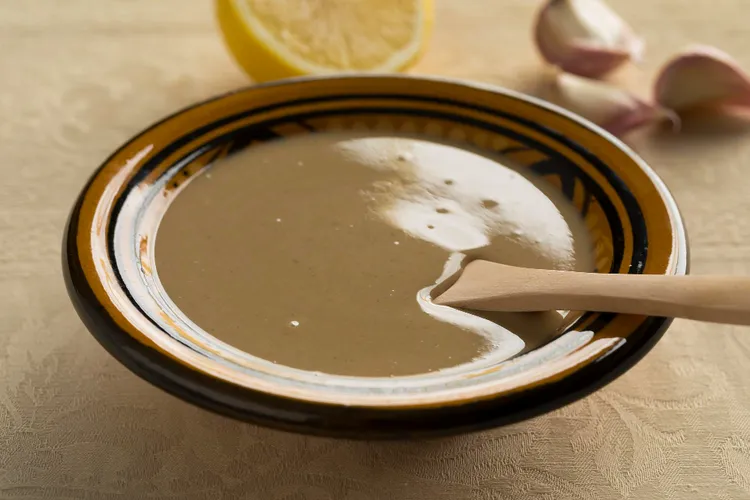
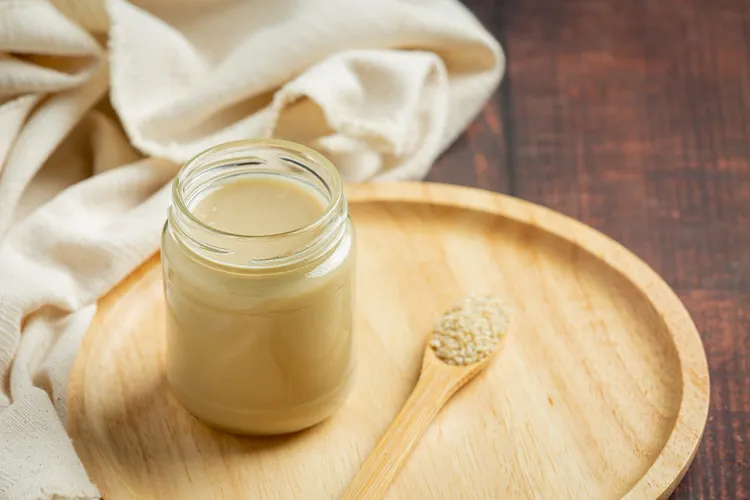
Tahini's fat content makes it a genuinely useful marinade base, not just a finishing sauce - it clings to chicken, salmon, and vegetables, and browns into a nutty, slightly caramelized crust in the oven that a thinner marinade can't quite match.
Tahini Marinade and Roasting Glaze
Prep time: 10 minutes | Makes: enough for about 1.5 to 2 lbs protein or vegetables
Ingredients
- 1/3 cup tahini, well stirred
- 3 tbsp fresh lemon juice
- 2 tbsp olive oil
- 2 garlic cloves, minced or grated
- 1 tbsp honey or maple syrup
- 1/2 tsp ground cumin
- 1/2 tsp smoked paprika
- 1 tsp salt
- 2 to 4 tbsp warm water, to thin as needed
Instructions
- Whisk together the tahini, lemon juice, and olive oil - it will thicken and clump slightly before smoothing out.
- Stir in the garlic, honey, cumin, smoked paprika, and salt.
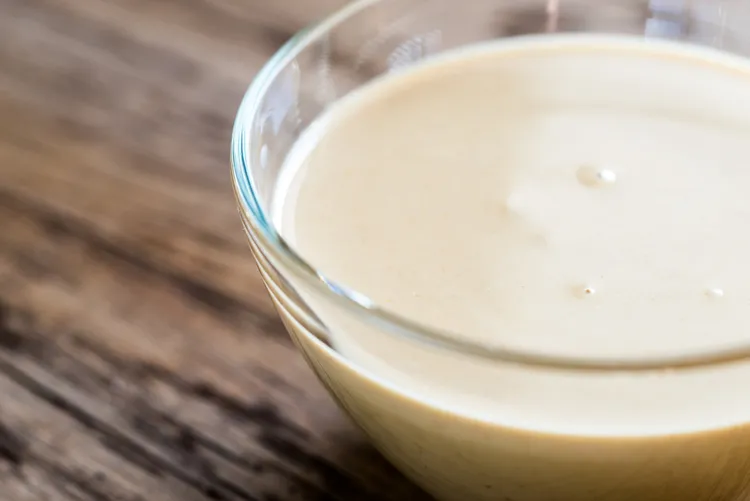
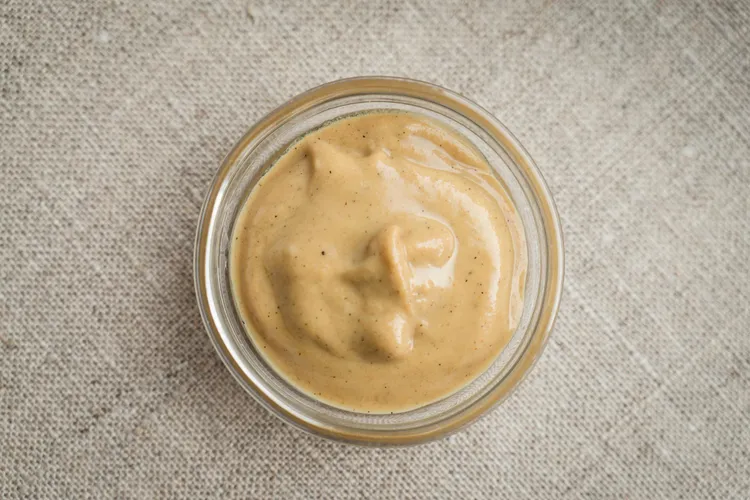
- Add warm water a tablespoon at a time until the mixture reaches a thick, coatable consistency - thinner for a marinade you'll mostly wash off before cooking, thicker for a glaze meant to stay on and caramelize.
- For a marinade: coat chicken, salmon, or firm vegetables and let sit 30 minutes to 4 hours in the fridge, depending on the protein.
- For a glaze: brush a thicker version directly onto the protein or vegetables just before roasting, and again halfway through cooking for a deeper, more caramelized finish.
- Roast or bake at 400°F until cooked through and browned at the edges - tahini's fat content means it browns and can catch quickly at very high heat, so watch it in the final few minutes.
Notes
Because tahini contains natural sugars and fat, it browns faster than a purely oil-based marinade. If the edges are darkening too quickly before the inside is cooked through, tent the pan loosely with foil for the remaining cook time.
Why Tahini Works as a Marinade Base
Most marinades rely on a thin oil-and-acid combination that mostly drips off before cooking. Tahini's thicker, richer texture clings to the surface of whatever it's coating far more effectively, which means more of the marinade's flavor actually stays on the protein through cooking rather than pooling in the pan. Its natural fat also helps with browning the same way oil does in a standard marinade, but with a noticeably nuttier result.
What to Use It On
- Bone-in chicken thighs, roasted skin-side up until deeply browned
- Salmon fillets, using the shorter end of the marinating window given fish's general acid sensitivity
- Firm vegetables like cauliflower, carrots, and sweet potato, tossed and roasted until caramelized
- Lamb, which pairs especially well with tahini's flavor profile
Marinade vs Glaze: Choosing the Right Consistency
A thinner version, closer to heavy cream, works best as a true marinade meant to flavor a protein before most of it gets patted off or drips away during cooking. A thicker version, closer to a spoonable paste, works better as a glaze applied just before and partway through cooking, since it's meant to stay put and caramelize rather than mostly cook off.
Roasting Temperature and Timing Notes
Because tahini-based coatings brown faster than a plain oil marinade, a slightly lower roasting temperature (375°F to 400°F rather than pushing higher) generally gives a better result, allowing the inside to finish cooking without the exterior burning first. Basting with a reserved portion of the glaze partway through builds a deeper, more even color than a single coating at the start.
Pairing It With a Finishing Sauce
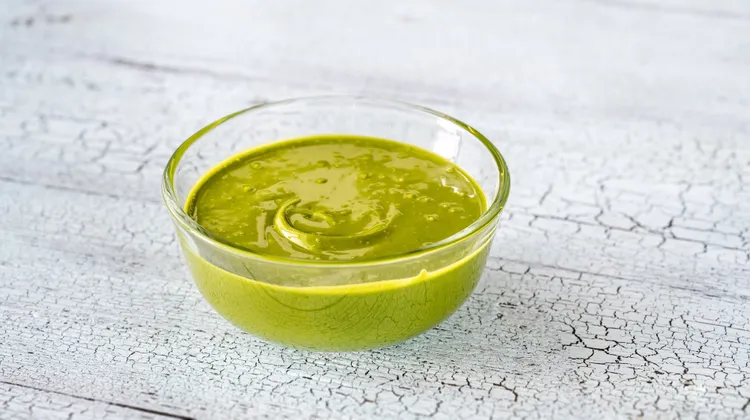
A roasted protein or vegetable finished with this glaze pairs naturally with a drizzle of classic tahini sauce or green tahini sauce right before serving, doubling down on the same flavor from two different angles - one cooked and caramelized, one fresh and bright.
For everything else tahini can do, see our complete Tahini: The Pantry Staple That's Not Just for Hummus.
Why Tahini-Based Marinades Need Different Heat Management
Because tahini contains natural sugars alongside its fat, a tahini-based coating caramelizes and browns considerably faster than a standard oil-and-acid marinade under the same heat. This isn't a reason to avoid high heat entirely, but it does mean paying closer attention near the end of cooking rather than assuming the same timing that works for a plain oil marinade will translate directly. A meat thermometer is a genuinely useful tool here, since visual browning can outpace actual doneness with a tahini glaze, making it easy to assume something's done (or overdone) based on color alone.
Grilling With a Tahini Marinade
Tahini marinades work on the grill as well as in the oven, though the higher, more direct heat of a grill makes flare-ups and scorching a bigger risk than roasting. Pat the protein reasonably dry before it hits the grates, keep a cooler zone on the grill to move things to if they're browning too fast, and consider reserving a portion of the marinade as a post-grill drizzle rather than relying entirely on what's cooked onto the surface.
Common Questions About Tahini Marinades
- Can I marinate overnight with this? Yes, particularly for chicken or vegetables, which tolerate longer marinating well. For fish, keep it closer to 30 minutes given fish's general sensitivity to extended acid exposure.
- Will this work as a marinade for tofu? Yes, and it works especially well, since tofu takes marinades readily once pressed and its own mild flavor lets tahini's nuttiness come through clearly.
- Can I use this glaze on vegetables without pre-marinating them? Yes, brushing it on partway through roasting works well for vegetables specifically, since they don't need the same marinating time meat does to pick up flavor.
- Why did my glaze burn before the inside finished cooking? This usually means the oven ran a bit hot for a tahini-based coating, or the glaze layer was too thick. Try a slightly lower roasting temperature next time, or tent loosely with foil partway through.
Common Mistakes With This Recipe
The most common mistake is applying a thick glaze at the very start of a long roast and walking away, which almost guarantees a burnt exterior before the inside finishes cooking - reserve some glaze for a mid-cook basting instead of committing it all upfront. A second mistake is not thinning the mixture enough for a true marinade application, resulting in something too thick to actually penetrate or evenly coat the surface. A third is skipping the pat-dry step before a hot sear or high-heat roast, since excess marinade left pooling on the surface steams rather than browns.
Pairing With a Finishing Drizzle
A roasted or grilled protein finished with this glaze pairs especially well with a final drizzle of fresh classic tahini sauce or green tahini sauce right before serving - the contrast between the cooked, caramelized glaze and a bright, fresh sauce on top gives a more layered result than either alone. This is a common technique in Middle Eastern cooking, using tahini in more than one form within the same dish.
Meal Prep Notes
The marinade itself can be made up to 3 days ahead and stored in the fridge, making it easy to marinate a protein first thing on a prep day and roast it later in the week. For the complete range of tahini applications, see our full Tahini: The Pantry Staple That's Not Just for Hummus.
Adapting This Marinade for a Sheet Pan Dinner
This marinade works especially well as the base for a full sheet pan dinner - toss chicken thighs and a mix of sturdy vegetables like carrots, cauliflower, and red onion together with the marinade, spread everything on a single sheet pan, and roast until everything is browned and cooked through. This turns a marinade recipe into a complete, low-effort weeknight meal without needing separate preparation for a side dish.
Doubling as a Dipping Sauce
A small portion of this marinade, reserved before it touches raw protein and thinned slightly with extra lemon juice or water, works well as a dipping sauce for the finished, cooked dish - similar in spirit to reserving a portion of a teriyaki marinade for glazing. This adds another layer of the same flavor without requiring a second recipe.
How This Compares to a Yogurt-Based Marinade
Yogurt marinades, common in dishes like tandoori chicken, use dairy's mild acidity and fat for a similar tenderizing and flavor-carrying effect. Tahini's marinade works on a similar principle but without dairy, and its flavor leans more toward nutty and savory rather than yogurt's tangier profile - a reasonable substitute for anyone avoiding dairy but still wanting a rich, clinging marinade base.
Adjusting for Different Protein Thicknesses
Thicker cuts, like bone-in chicken thighs or a thick salmon fillet, benefit from a slightly longer marinating time to let the flavor penetrate further, while thinner cuts pick up flavor faster and need less time to avoid over-marinating. As with any marinade, err on the shorter side for delicate proteins like fish, and lean longer for heartier cuts like chicken thighs or lamb.
Where This Fits in the Bigger Picture
This marinade is one of the more versatile savory tahini applications in this guide, translating easily into a full meal rather than staying limited to a single component. For the complete range of tahini uses, see our full Tahini: The Pantry Staple That's Not Just for Hummus.
A Quick Note on Basting Brushes
A silicone basting brush works better than a natural-bristle one for a thick, tahini-based glaze, since it's easier to clean thoroughly afterward and doesn't trap the sticky glaze between bristles the way a natural-bristle brush can over repeated uses.
Comparing This Marinade to a Standard Yogurt or Buttermilk Marinade
Yogurt and buttermilk marinades rely on mild dairy acids to tenderize and add richness, while this tahini-based version leans more on fat and natural sugar for clinging power and caramelization rather than tenderizing specifically. Both are excellent for different reasons - this one is the better choice when a nutty, caramelized crust is the goal rather than maximum tenderness.
Using This Marinade on Portobello Mushrooms
Portobello mushroom caps take this marinade especially well, absorbing its flavor readily given their spongy texture, and roasting or grilling into a substantial, meaty result that works well as a vegetarian main course alongside a simple grain and salad.
Marinating Time for Vegetables Specifically
Unlike meat, vegetables don't carry the same food safety concerns around raw contact, so this marinade can be tossed with vegetables and left at room temperature for a short period right before roasting without needing refrigeration, as long as it's used within an hour or so. For longer marinating windows, the fridge is still the safer default.
Why This Recipe Earns a Permanent Spot in a Weeknight Rotation
Between its short prep time, its flexibility across proteins and vegetables, and the fact that it doubles as both a marinade and a glaze depending on consistency, this recipe covers a lot of ground for the relatively small effort it takes to make. It's a reasonable candidate for a repeat weeknight recipe rather than something reserved for special occasions.
One Last Note on Leftovers
Leftover roasted protein or vegetables made with this glaze reheat well in a low oven, and a fresh drizzle of tahini sauce on top afterward revives some of the brightness that can fade slightly after a day in the fridge.
If cooking for a group with mixed dietary needs, this marinade works equally well across chicken, salmon, tofu, and vegetables prepared separately, making it a genuinely useful base for a single flavor theme across an otherwise varied meal without needing several different marinades on hand.
Because this recipe holds up well across so many proteins and vegetables, it's worth writing the ratio down somewhere easy to find, whether that's a note on your phone or a card in the kitchen, so it becomes a genuine go-to rather than something you have to look up freshly every time.
If short on time, this marinade can be mixed the morning of and used that same evening rather than requiring a full day of advance planning, making it realistic for a same-day weeknight dinner rather than only a weekend project.
Latest