What Is Ćevapi? The Balkan Grilled Sausage Explained
Ćevapi are small, skinless grilled sausages made from minced beef, pork, or lamb - and they're the defining street food of the Balkans. Here's what they are, how they're made, and what the macros actually look like.
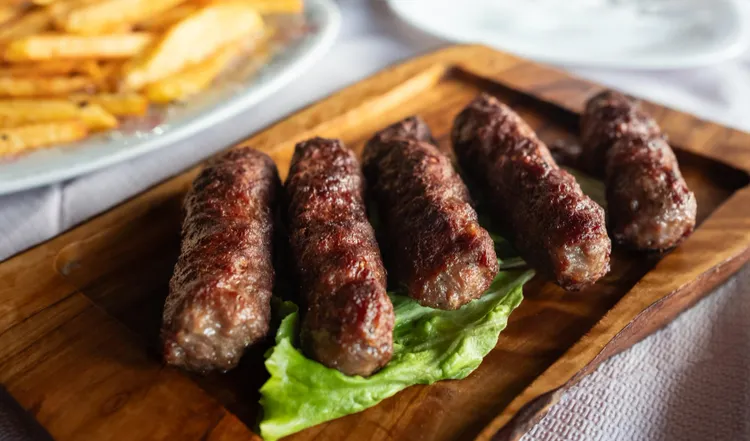
If you've eaten in Bosnia, Serbia, or Croatia, you've eaten ćevapi. They're served at roadside restaurants, at football matches, at weddings and at funerals. The sausage itself is deceptively simple - minced meat, salt, a little bicarbonate of soda for texture - but the result is one of those foods that's hard to improve on.
Origins and Regional Variations
Ćevapi (also spelled ćevapčići) are found across the entire former Yugoslav region and trace their roots to Ottoman-influenced grilled meats. Bosnia has the most famous version - Sarajevski ćevapi are made exclusively from beef, served in a thick flatbread called somun, and topped with raw chopped onion. Serbian versions typically use a pork-beef mix. Croatian ćevapi are smaller and often spicier. Each region has its loyalists and its arguments about the correct recipe.
What they all share: no casings, cooked over charcoal or a very hot grill, served immediately.
The Meat Blend
The classic ratio for home cooking is 60% beef and 40% pork. The pork fat keeps the sausages juicy; the beef provides flavour depth. All-beef ćevapi (Sarajevo style) work well if you use beef with at least 20% fat content - lean mince produces dry, crumbly results.
Some recipes add a small amount of lamb for a more complex flavour. A tablespoon of bicarbonate of soda per kilogram of meat is the key technique tip - it raises the pH slightly, which gives the exterior a better crust without drying the interior.
The Full Recipe
Ingredients (makes ~24 ćevapi, serves 4)
- 500g beef mince (20% fat)
- 300g pork mince
- 200g lamb mince (optional - replace with more beef if skipping)
- 1 tsp salt
- 1 tsp black pepper
- 1/2 tsp baking soda
- 2 cloves garlic, very finely minced
- 1 tbsp cold water
Method
- Combine all ingredients in a bowl. Mix thoroughly - use your hands and work the mixture for 3-4 minutes until it becomes slightly sticky. This develops the protein structure that holds the sausage together.
- Refrigerate the mixture for at least 2 hours, ideally overnight. Cold meat is much easier to shape.
- Shape into cylinders about 8cm long and 2cm in diameter. Wet your hands to prevent sticking.
- Grill on a very hot grill or griddle pan, turning every 2-3 minutes, for about 10-12 minutes total. They should be slightly charred outside and cooked through but still juicy inside.
- Rest for 2 minutes before serving.
How to Serve Ćevapi
The traditional serve is 5 or 10 ćevapi tucked into a warm lepinja or somun (Balkan flatbread), topped with raw chopped onion and a generous spoonful of kajmak or sour cream. A side of ajvar is the correct condiment. Shopska salad on the side makes it a complete meal.
Without lepinja, serve on a plate with the same toppings and a piece of flatbread. The bread is not optional - you need it to scoop up the kajmak and catch the fat.
Macro Breakdown
Per serving (6 ćevapi, no bread, using beef-pork mix):
- Calories: ~320 kcal
- Protein: ~28g
- Carbohydrates: ~1g
- Fat: ~22g
Add a lepinja flatbread (~180 kcal, 6g protein, 35g carbs) and a tablespoon of kajmak (~60 kcal, 0g protein, 5g fat) and the full traditional serve comes to approximately 560 kcal with 34g protein. These are estimates - fat content varies significantly with the meat blend used.
Meal Prep Notes
The raw meat mixture keeps in the fridge for up to 2 days before shaping and cooking, which makes it convenient for weeknight cooking. Shape and freeze uncooked ćevapi in a single layer, then transfer to a bag - cook from frozen on a low-medium grill for 15-18 minutes.
Cooked ćevapi reheat well in a hot dry frying pan for 2-3 minutes. They're one of the better Balkan foods for batch cooking. For the full picture of how ćevapi fit into a weekly Balkan meal rotation, see our complete Balkans table guide.
Pairing Suggestions
On CookThisMuch, a lemon-infused cabbage salad works well alongside ćevapi - the acidity cuts through the fat and the crunch contrasts with the soft meat. For a lighter accompaniment, the baked zucchini fritters are a good vegetable side that doesn't compete with the main event.
Latest