Grilled Lamb Chops Balkan Style: Simple, High-Protein, Wildly Good
Balkan-style grilled lamb chops use a short marinade of garlic, oil, and fresh herbs - and very high heat. The result is charred outside, pink inside, and about 34g protein per two-chop serving. Here's the method and the macro breakdown.
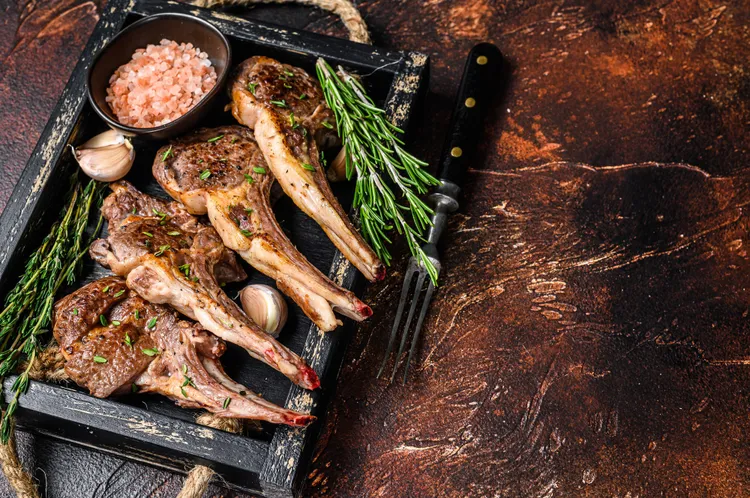
Lamb on the grill is one of the oldest meals in the Balkans. The southern part of the region - Bosnia, Serbia, North Macedonia, Kosovo - has a strong lamb tradition, and the approach is consistently minimal: good meat, garlic, oil, fire, and time. Nothing obscures the flavour of the lamb because nothing should.
For home cooks, this is one of the more approachable Balkan dishes. No specialist ingredients, no long cook times, no technique beyond controlling heat.
Choosing the Chops
Loin chops or rib chops both work. Loin chops are meatier and slightly easier to cook evenly. Rib chops are smaller and cook faster, which makes them better for a very hot grill where you want a short cook time.
Fat content matters here - don't buy trimmed, lean lamb chops. The fat basting the meat as it cooks is what keeps it juicy and produces the char that defines this cooking style.
The Marinade
Ingredients (for 4 chops, serves 2)
- 4 lamb chops (approx. 120g each before cooking)
- 3 cloves garlic, minced or sliced
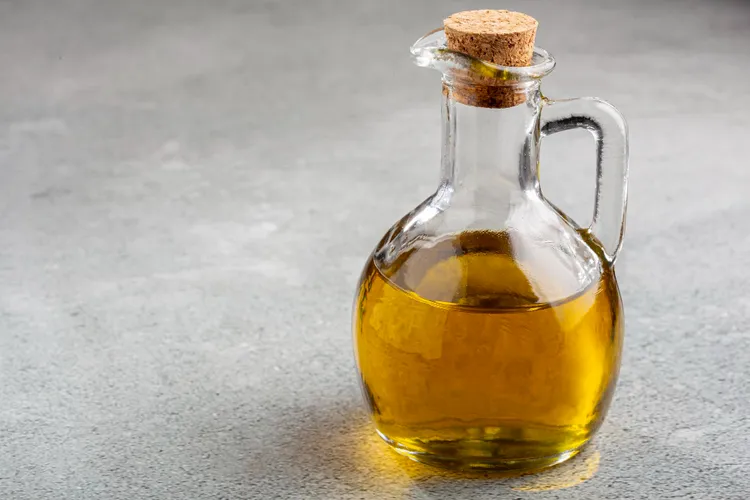
- 3 tbsp olive oil
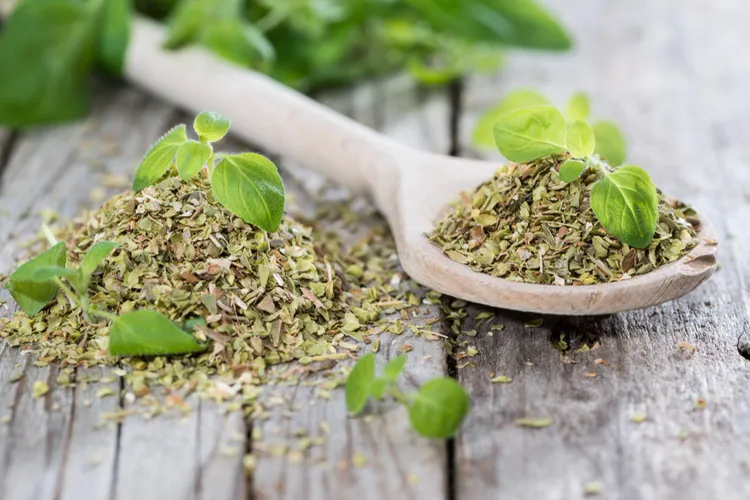
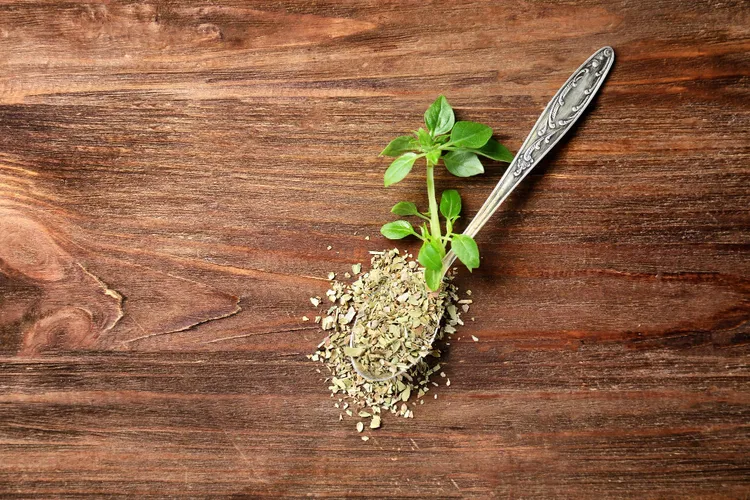
- 1 tsp fresh rosemary, finely chopped
- 1 tsp fresh thyme
- 1/2 tsp salt
- Black pepper
- Juice of 1/2 lemon
Method
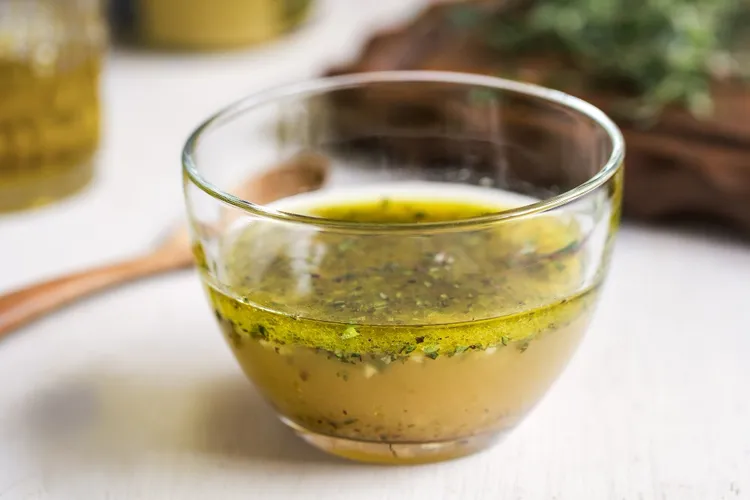
- Mix garlic, oil, herbs, salt, pepper, and lemon juice. Rub over chops and leave to marinate for at least 30 minutes at room temperature, or up to 4 hours in the fridge.
- Bring the grill or griddle pan to maximum heat. The surface should be smoking hot before the meat goes on.
- Cook loin chops 3-4 minutes per side for medium-rare, 4-5 minutes for medium. Rib chops cook faster: 2-3 minutes per side for medium-rare.
- Rest for 3-4 minutes before serving. This is not optional - it determines whether the chop is juicy or dry.
Macro Breakdown
Per serving (2 loin chops, approx. 200g cooked weight):
- Calories: ~360 kcal
- Protein: ~34g
- Carbohydrates: ~1g (from marinade)
- Fat: ~24g
Lamb is one of the more calorie-dense proteins but also one of the highest in protein per gram. The macros above assume standard loin chops with bone; boneless yield will push protein slightly higher per 100g cooked. All estimates.
What to Serve With Them
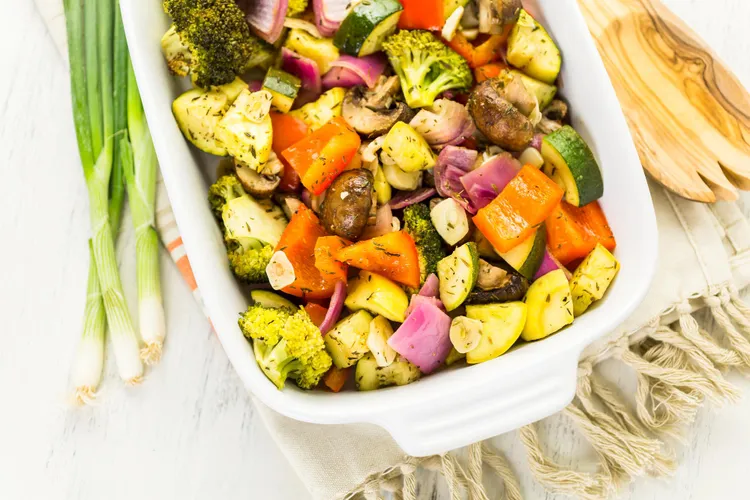
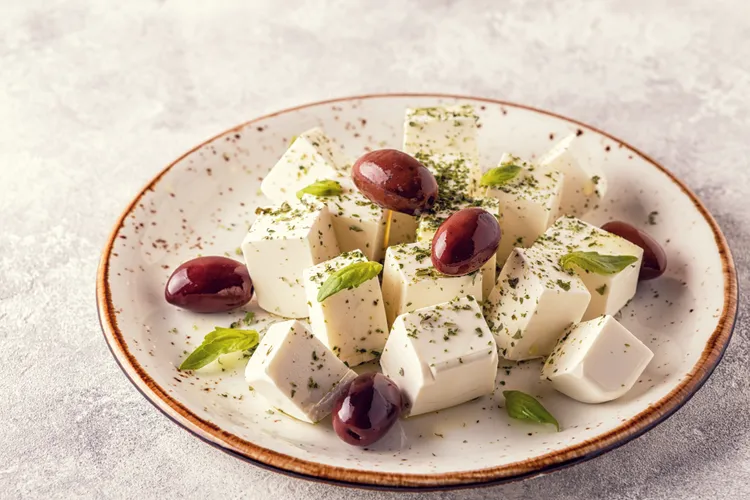
In the Balkans, grilled lamb arrives with a simple salad and bread. A shopska salad is the standard companion - the fresh acidity and cheese work well against the richness of the lamb. For a lighter side, baked zucchini fritters add a vegetable element without competing with the main.
Ajvar - roasted red pepper relish - is the condiment to serve alongside. Make your own using the recipe in our ajvar guide, or use a jarred version as a practical substitute.
A Note on Kajmak
In Bosnia and Serbia, grilled lamb is often served with a small bowl of kajmak. The clotted cream melts into the hot meat and adds a rich, slightly soured flavour that works particularly well with lamb. For an explanation of what kajmak is and how to use it, see our kajmak guide.
For the full context of how grilled lamb fits into Balkan cooking, the Balkans table guide covers all the essential dishes and a sample weekly meal plan.
Latest