Cooking With Fall Squash: Butternut, Acorn and Delicata
How to prep and cook the three most common hard-skinned fall squash varieties, and why they can wait weeks on the counter when zucchini can't.
Fall squash is the reward for the patience a garden demands earlier in the season. Unlike zucchini, which needs to be picked and used within days, a properly cured winter squash can sit on the counter for one to several months, which makes it one of the least stressful crops to manage once it's finally ready.
Curing: The Step That Makes Storage Possible
Curing means letting a freshly picked squash sit somewhere warm, around 80°F, for one to two weeks before moving it to cooler storage. This hardens the skin and heals over the stem end, sealing in moisture and dramatically extending how long it keeps. A squash used straight off the vine without curing is fine to cook right away, but one meant for storage should always go through this step first, or it's likely to soften and spoil within a few weeks instead of lasting through winter.
Butternut Squash: The All-Purpose Choice
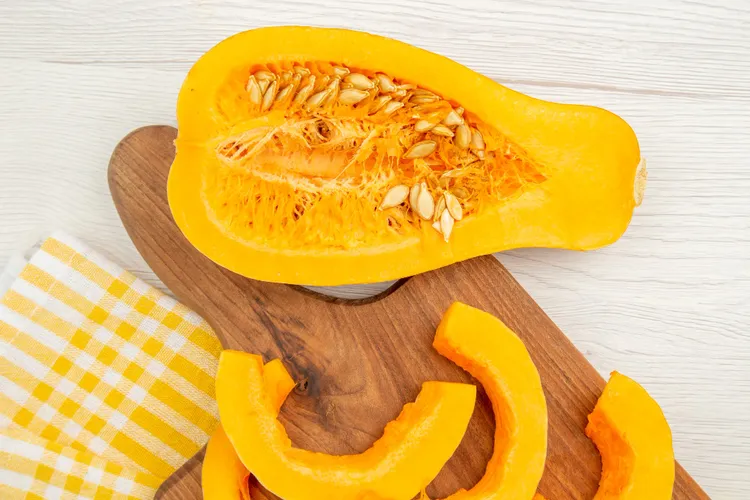
Butternut has the smoothest, most consistent flesh of the common fall squash varieties, which makes it the easiest to peel and the most forgiving to cook. A vegetable peeler handles the skin well once the squash is cut into manageable pieces, unlike the ridged skins of acorn or delicata. Cut in half lengthwise, seeded, and roasted cut-side down at 400°F for 35 to 45 minutes depending on size, it turns tender enough to scoop straight from the skin. Its mild, slightly sweet flavor also makes it the best of the three for blending into soup.
Acorn Squash: Built for Stuffing
Acorn squash's deep ridges and small individual size make it awkward to peel but well suited to a different approach: cutting it in half, scooping the seeds, and roasting it as individual bowls. The cavity left behind after roasting is a natural container for a grain, sausage, or vegetable filling, baked for another ten to fifteen minutes once stuffed. Acorn squash has a slightly nuttier, less sweet flavor than butternut, which pairs well with savory fillings rather than sweeter preparations.
Delicata Squash: Skip the Peeling Entirely
Delicata is the exception to the usual winter squash rule: its skin is thin enough to eat once roasted, which saves the most time-consuming step in cooking any of the others. Sliced into half-moons or rings, seeded, tossed with oil, and roasted at 425°F for about 25 minutes, it turns tender with a slightly caramelized edge. Because the skin stays on, delicata also doesn't store quite as long as butternut or acorn, closer to a month or two rather than several months, so it's worth using earlier in the fall squash season rather than saving for deep winter.
Roasting Times at a Glance
Cut size affects roasting time more than variety does. Halves take 35 to 50 minutes at 400°F depending on size; one-inch cubes take 20 to 30 minutes; thin half-moons or rings, as with delicata, take closer to 20 to 25 minutes at a slightly higher 425°F. A fork should slide into the flesh with almost no resistance when it's done; underdone squash is noticeably fibrous rather than creamy.
Storage Conditions Once Cured
After curing, fall squash keeps best somewhere cool (50 to 60°F), dry, and dark, a pantry shelf, closet, or unheated room rather than the refrigerator, which is actually too cold and humid for whole winter squash and can shorten its storage life. Checked periodically for soft spots, a well-cured butternut can realistically last three to six months, acorn slightly less, and delicata the least of the three.
Signs a Squash Is Actually Ready to Harvest
Unlike zucchini, which is picked deliberately young, winter squash is left on the vine until it's fully mature, and picking too early results in a squash that won't store well and often has underdeveloped flavor. The clearest sign of readiness is the skin: it should be hard enough that a fingernail can't easily pierce it, and the color should be fully developed for the variety, deep tan for butternut, dark green with some orange for acorn. The stem should also have started to dry and turn brown or gray rather than staying green and pliable. Harvesting with a few inches of stem still attached, rather than snapping it off at the fruit, helps prevent the stem end from rotting during storage.
A light frost doesn't harm mature winter squash still on the vine and can even improve flavor slightly in some varieties, but a hard freeze will damage the fruit, so it's worth watching the forecast closely once the plants are producing mature-looking squash in early to mid fall and bringing everything in before a hard freeze arrives.
Simple Ways to Use the Flesh Beyond Roasting
Roasted and mashed, any of the three varieties covered here works as a side dish close to mashed potatoes, with butter, salt, and a bit of maple syrup or brown sugar if a sweeter side is wanted. Cubed and simmered into a soup with onion, garlic, and broth, then blended smooth, squash makes a filling, naturally thick soup without needing cream, especially with butternut's higher water content compared to acorn. Roasted squash also works well cold, tossed into a grain bowl or salad the next day, which is a practical way to stretch a single roasting session across more than one meal.
Freezing Cooked Squash
Once cooked, squash freezes well, either mashed or in cubes, for months, which is a good option for any squash that's starting to show a soft spot before it can be used fresh. Roasted and pureed squash also works as a direct substitute for canned pumpkin in most baking recipes, which is a practical way to use up the last of a harvest heading into the colder months.
Where Fall Squash Fits in the Season
Fall squash tends to arrive right alongside the season's last tomatoes and the first frost warnings, making early fall one of the more varied cooking stretches of the year. How to Cook With What You Grow: A Season-by-Season Guide covers how this period connects to the rest of the growing season and what typically follows once the squash harvest winds down.