What to Do With Green Tomatoes at the End of the Season
How to use unripe tomatoes picked ahead of the first frost, including which ones are worth ripening indoors and which are better cooked green.
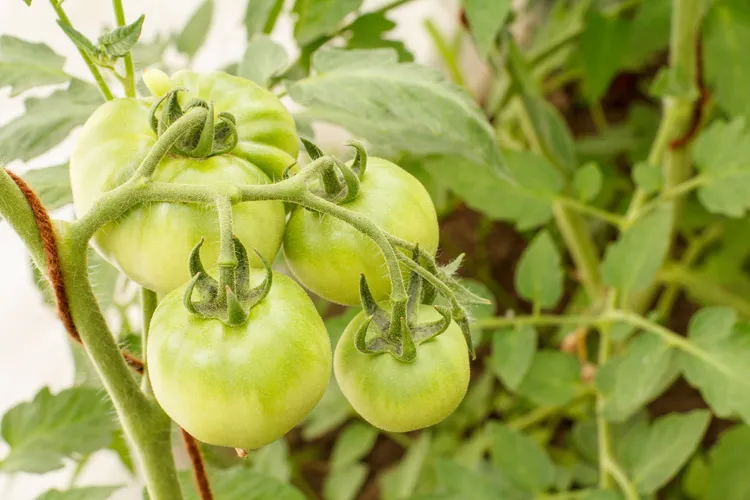
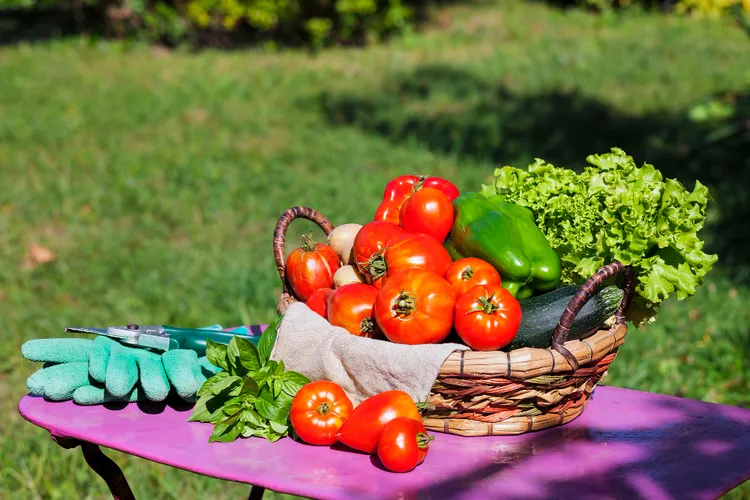
A frost warning at the end of the growing season means picking every tomato left on the vine, ripe or not, since a hard frost turns unripe fruit to mush overnight and undoes weeks of a plant's remaining potential in a single cold night. What's left after that final pick is usually a mixed basket ranging from nearly ripe to fully green, and each stage calls for a slightly different plan.
Sorting the Final Harvest
Tomatoes just starting to show a blush of color are worth setting aside to finish ripening indoors, since they're close enough that the process will likely succeed within a week or two. Tomatoes that are fully green with no color change at all are less likely to ripen successfully indoors and are usually better used in a dish meant for green tomatoes specifically, rather than waiting on something that may not come through.
Ripening the Nearly-There Ones Indoors
Tomatoes showing early color ripen well at room temperature, out of direct sunlight, ideally in a single layer rather than piled up, which lets air circulate and reduces the chance of rot spreading between fruit. A paper bag with a ripe banana or apple inside speeds the process slightly, since these fruits release ethylene gas that encourages ripening, though it isn't strictly necessary. Checking every couple of days and removing anything that's started to soften without fully ripening, a sign of rot rather than ripening, keeps one bad tomato from affecting the rest.
Fried Green Tomatoes: The Classic Use
Fully green tomatoes hold their shape well under heat in a way ripe tomatoes don't, which is exactly what makes them work sliced, coated in cornmeal or flour, and pan-fried until golden. Their tartness, closer to a firm green apple than anything resembling a ripe tomato, holds up against the richness of frying rather than getting lost the way a delicate ripe tomato slice might.
Green Tomato Relish
Chopped green tomatoes cooked down with onion, vinegar, and sugar into a chunky relish is a good way to use a larger volume of fully green fruit at once, especially ones too small or oddly shaped for slicing and frying individually. The tartness that makes green tomatoes work in fried form also gives the relish a bright acidity that plain onion relish doesn't have, and it keeps well in the fridge for a couple of weeks.
Using Green Tomatoes in Place of a Tart Fruit
Green tomatoes have more in common, texturally and in acidity, with a firm green apple or rhubarb than with a ripe tomato, which opens up uses beyond the traditional savory ones. Sliced thin and cooked down with sugar and a bit of cinnamon, they can stand in for part of the fruit in a pie filling, an old use that's less common today but still works well for using up the last of a green tomato harvest that's too much for frying and relish alone.
What Not to Bother With
Fully green tomatoes eaten raw are usually too firm and tart to be pleasant on their own, unlike a slightly underripe one that's already started to soften and sweeten. It's generally worth cooking green tomatoes in some form rather than trying to eat them raw straight off the vine.
Green Tomato Pickles
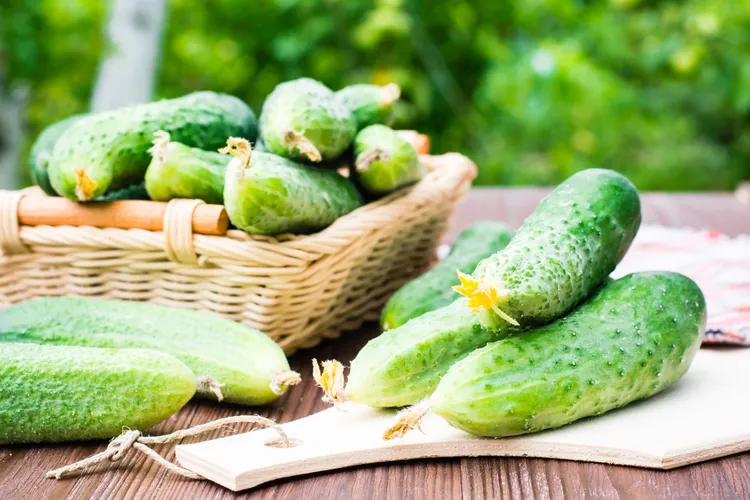
Beyond frying and relish, sliced or quartered green tomatoes take well to a quick vinegar brine, similar to a cucumber refrigerator pickle, and their firm texture holds up especially well to pickling since they don't soften the way a ripe tomato would. This is a good option for a larger volume of fully green fruit that isn't going to be used all at once, and the pickles keep for a couple of weeks in the refrigerator, longer than most of the other green tomato preparations covered here.
A Note on Frost Timing
A light frost, where temperatures dip just below freezing briefly, damages exposed leaves and vines but doesn't necessarily ruin fruit still attached to the plant, especially if it's covered overnight with a sheet or row cover. A hard frost, several hours below freezing, is what actually turns tomatoes to mush and makes the final harvest genuinely urgent. Watching the specific forecast, rather than pulling everything at the first mention of frost in general, can sometimes buy an extra week or two of ripening time on the vine for the tomatoes that are closest to ready.
A Realistic Timeline
Most of a frost-driven green tomato harvest needs to be dealt with within a week or two: the nearly-ripe ones finish indoors on that timeline, and the fully green ones are best cooked promptly rather than left to sit, since they don't store as well once picked as a winter squash or root vegetable would.
Deciding How Much to Save for Ripening
With a large final harvest, it's worth being realistic about how many green tomatoes can actually be ripened indoors before some inevitably rot rather than ripen. A single layer with space between each tomato ripens more reliably than a crowded box, so if the harvest is large, it's often better to set aside a smaller, carefully chosen batch of the closest-to-ripe fruit for indoor ripening and commit the rest to green preparations right away, rather than trying to save everything and losing a portion to rot in the process.
The End of the Tomato Season
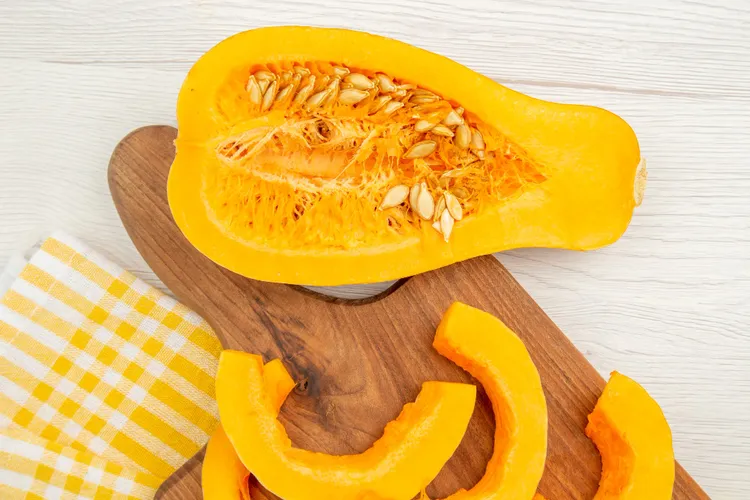
Green tomatoes mark the close of the tomato harvest and usually overlap with the last of the season's fall squash coming in. How to Cook With What You Grow: A Season-by-Season Guide covers how this transition into fall connects to the rest of the year's growing and storage calendar.