Cooking With Garden Peppers: From First Green Pepper to Last Red One
How pepper flavor and texture change as they ripen from green to red, yellow, or orange, and how to cook each stage differently.
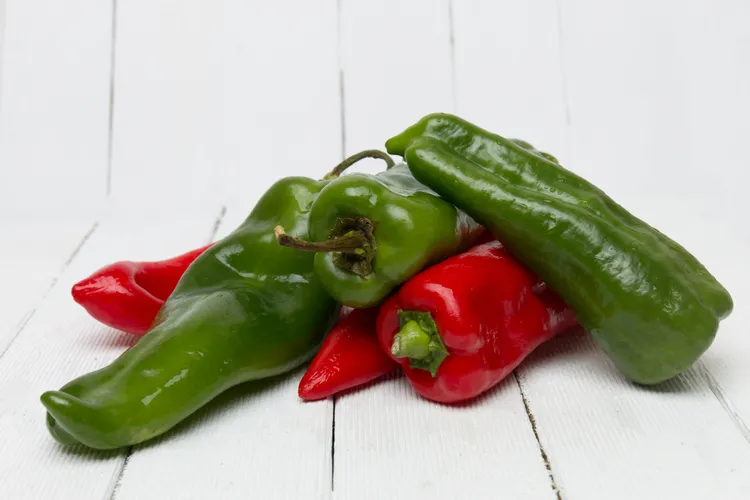
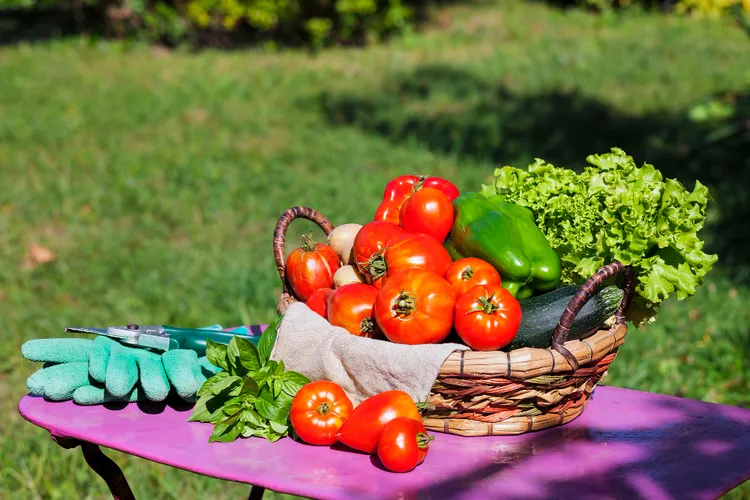
Every pepper starts out green and, left on the plant long enough, ripens into its final color, red, yellow, or orange depending on the variety. Because a single productive plant produces peppers at every stage of ripeness at the same time, most home gardeners end up cooking green and ripe peppers side by side rather than one at a time.
Why Color Isn't Just Cosmetic
A green pepper isn't a different variety from a red one; it's the same fruit picked earlier. As a pepper ripens, its sugar content rises and its slightly bitter, grassy edge fades, which is why ripe peppers taste noticeably sweeter and milder than green ones from the same plant. Ripening also increases vitamin C content substantially. Neither stage is objectively better; they're suited to different uses.
Green Peppers: Crisp and Slightly Bitter
Green peppers hold their shape and crunch well under heat, which makes them a good choice for dishes where texture matters, stir-fries, fajitas, or a quick sauté where a soft, sweet pepper would turn mushy. Keto shrimp and peppers leans on that firmer texture, cooking the peppers just until crisp-tender rather than fully soft. Raw, green peppers work best diced small in a dish with other strong flavors, since their bitterness stands out more than a ripe pepper's would in a simple raw preparation.
Ripe Peppers: Sweet Enough to Eat Like Fruit
A fully ripe red, orange, or yellow pepper is sweet enough to eat raw with almost nothing added, sliced into strips with a bit of salt, and holds up just as well roasted, where the sugars caramelize further. Roasting whole peppers under a broiler until the skin blisters and blackens, then steaming them in a covered bowl for ten minutes, makes the skins slip off easily and leaves behind a deeply sweet, smoky flesh that works in sauces, dips, or simply on its own.
Using Both Stages in One Dish
Rather than treating a mixed harvest as a mismatch, a dish that uses both green and ripe peppers together can lean on the contrast: the green for crunch and a slight edge, the ripe for sweetness and softness. A simple sautéed pepper medley with onions, using whatever combination of colors came out of the garden that day, is a practical way to use a mixed basket without sorting or waiting for everything to ripen at once.
Should You Wait for Peppers to Ripen?
Whether to pick a pepper green or leave it to ripen depends more on the household's preference than any hard rule, though leaving peppers on the plant to ripen does slightly reduce the total number of peppers a plant produces over the season, since ripening takes energy the plant would otherwise put into new fruit. A mixed approach, picking some green for immediate use and leaving others to ripen, is what most gardens end up doing anyway simply because peppers on the same plant rarely ripen in sync.
Freezing Peppers for Later
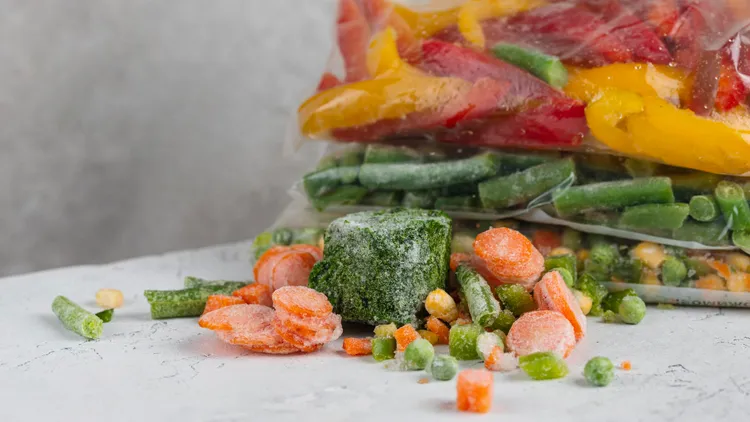
Peppers freeze well raw, with no blanching required, which makes them one of the easier vegetables to preserve from a big harvest. Diced or sliced, spread on a tray to freeze individually before transferring to a bag, they keep their flavor well for months, though the texture softens considerably once thawed, which makes frozen peppers better suited to cooked dishes than anything meant to be eaten raw or crisp.
Hot Peppers Follow the Same Ripening Logic
Hot pepper varieties, jalapeños, serranos, and similar types, ripen through the same green-to-colored progression as sweet bell peppers, and the same rule applies: riper generally means sweeter and, for hot varieties, often noticeably hotter as well, since capsaicin, the compound responsible for heat, tends to concentrate as the pepper matures. A jalapeño picked green is milder than the same pepper left to ripen to red, which is worth knowing for anyone managing spice levels in a dish rather than assuming heat stays constant regardless of when the pepper is picked.
Drying is a good option for a hot pepper surplus specifically, since small, thin-walled hot peppers dry faster and more reliably than thicker-walled bell peppers. Strung on thread and hung somewhere warm and dry, or dried in a low oven, they store for months and can be ground into a household chili powder blend, which uses up a hot pepper glut in a way that doesn't require using them all in cooking within a short window.
Storing Fresh Peppers
Unlike tomatoes, peppers hold reasonably well in the refrigerator, a week to ten days in a loosely closed bag, which takes some of the daily pressure off compared to more perishable midsummer crops. This makes peppers a good candidate for batching cooking sessions once or twice a week rather than needing daily attention the way tomatoes or cucumbers often do.
Stuffed Peppers as a Use for a Full Harvest
When a handful of peppers, mixed colors and all, come in at once, stuffing whole peppers with a filling of rice, ground meat or beans, and cheese is one of the more efficient ways to use several at a time in a single dish. Ripe peppers hold their shape well through baking, softening just enough to eat easily with a fork while still standing upright in the dish, and the sweetness of a fully ripe pepper works especially well against a savory, well-seasoned filling. Green peppers work for stuffing too, though the finished dish will have a slightly more bitter edge than one made with fully ripe peppers.
Where Peppers Fit in the Season
Peppers ripen over roughly the same stretch as the main tomato harvest, both usually peaking from late summer into early fall. How to Cook With What You Grow: A Season-by-Season Guide covers how this period lines up against the rest of the garden's output through the year.