Root Cellar Basics: Cooking With Stored Carrots, Beets and Potatoes All Winter
How to store fall-harvested carrots, beets, and potatoes so they last into winter, and how cooking from storage differs from cooking fresh-pulled roots.
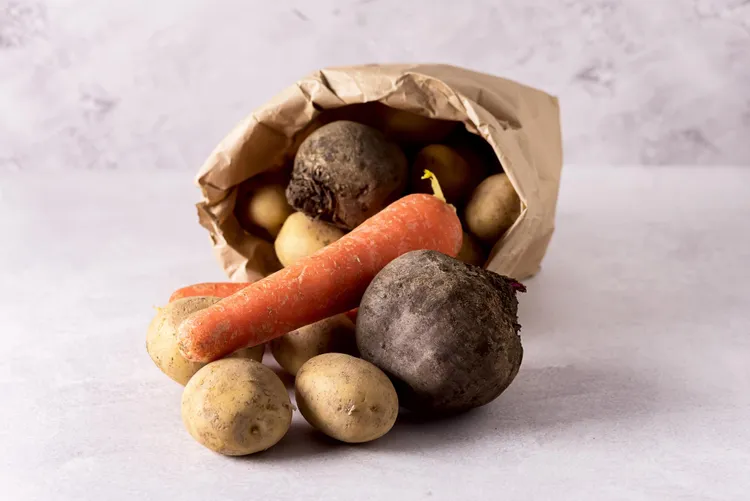
Root vegetables are the one part of a home garden that genuinely rewards patience. Carrots, beets, and potatoes harvested in fall don't need to be eaten or preserved right away the way a tomato or zucchini does; stored correctly, they can turn into a weekly ingredient straight through winter instead of disappearing from the kitchen by December.
What "Root Cellar" Conditions Actually Mean
A true root cellar is a specific kind of cold, humid, dark storage space, but most home gardeners don't have one, and that's fine. What matters is approximating the same conditions: roughly 35 to 40°F, high humidity, darkness, and decent airflow. An unheated basement corner, an insulated garage that doesn't freeze, or even a cooler in a shaded spot outside the main heat of the house can all work. The two things to avoid are warmth, which encourages sprouting and rot, and dryness, which shrivels roots faster than almost anything else.
Carrots: Sand Storage Beats the Fridge for Volume
A few carrots keep fine in the crisper drawer for a couple of weeks, but a real harvest benefits from a different approach: layered in slightly damp sand or sawdust inside a box or bin, kept in a cool spot. This method can keep carrots firm and usable for several months, far longer than loose refrigerator storage, since the sand maintains humidity around the roots without letting them sit in standing moisture. Herb-roasted carrots with mustard works equally well with fresh-pulled or stored carrots, though stored ones tend to taste slightly sweeter, since some of their starch converts to sugar during cold storage.
Beets: Trim the Tops, Keep the Roots
Beet greens pull moisture out of the root if left attached, so the first step in storing beets is cutting the tops off, leaving about an inch of stem, rather than trimming flush with the root, which can cause bleeding and faster spoilage. The greens themselves are edible and cook similarly to spinach or chard, so they're worth using fresh right after harvest rather than storing. The roots store the same way as carrots, layered in damp sand in a cool spot, and generally hold for two to four months.
Potatoes: Dark, Cool, and Away From Onions
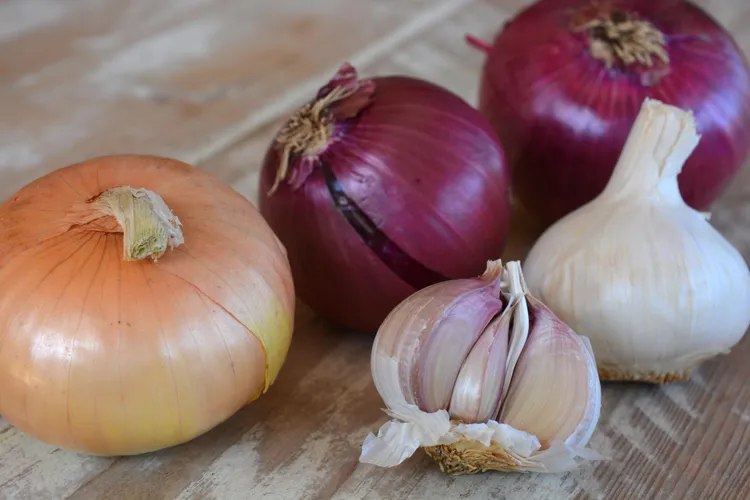
Potatoes need complete darkness in storage; even indirect light causes them to turn green and develop a bitter, mildly toxic compound in the skin that should be cut away or the potato discarded if it's widespread. A cardboard box or paper bag in a cool, dark closet or basement works well. One detail worth knowing: potatoes and onions release gases that speed up each other's spoilage, so it's worth storing them in separate containers or areas rather than side by side.
Checking Stored Roots Regularly
Stored vegetables should be checked every few weeks for any that have started to soften or sprout, since one spoiling root can speed up decay in whatever's stored around it. Removing anything questionable promptly protects the rest of the batch and is a far smaller loss than discovering a whole box has gone soft in January.
Cooking From Storage vs. Cooking Fresh
Roots pulled straight from the garden tend to be crisper and slightly more watery than the same vegetables after a couple of months in storage, where some moisture is lost and starches slowly convert to sugar. This means stored carrots and beets often taste a bit sweeter, and stored potatoes can turn slightly starchier, both of which usually work in a cook's favor for roasting and mashing, though it's worth knowing the difference rather than assuming a recipe will behave identically year-round.
Curing Roots Before Long-Term Storage
Potatoes benefit from a short curing period of their own before long-term storage, similar in concept to winter squash, though the process is shorter. Left in a well-ventilated spot at around 50 to 60°F for one to two weeks after harvest, potatoes toughen their skins and heal over any small nicks from digging, which reduces the chance of rot spreading once they're moved to colder storage. Skipping this step and moving freshly dug potatoes straight into cold storage tends to shorten their usable life noticeably compared to a properly cured batch.
Carrots and beets don't need the same curing period, since their thinner skins don't toughen the way a potato's does, but both benefit from being stored unwashed, with just the loose soil brushed off rather than rinsed clean. Washing before storage introduces extra moisture that speeds up rot, even though it seems like the tidier approach.
What Happens When Storage Conditions Aren't Perfect
Few home gardeners have access to ideal root cellar conditions, and it's worth knowing which compromises matter most. A slightly warmer space, up to about 50°F, still extends storage meaningfully compared to room temperature, even if it falls short of the ideal 35 to 40°F range; it just means checking more frequently for sprouting or softening. Low humidity is the harder problem to work around, since it causes roots to shrivel regardless of temperature, which is why the damp sand method matters more in a dry basement than in a naturally humid one.
A Simple Weekly Habit
Rather than treating stored roots as an emergency backup, building them into a regular weekly rotation, a roasted vegetable side two or three times a week through winter, keeps the stockpile actually getting used rather than slowly forgotten in a cold corner of the basement until spring.
How Storage Crops Fit the Bigger Picture
Root vegetables and other storage crops are what carry a kitchen through the months when nothing fresh is coming out of the garden. How to Cook With What You Grow: A Season-by-Season Guide covers how this winter stretch connects back to the following spring's first harvest.