Freezing and Storing Garden Vegetables for Winter Cooking
A beginner's guide to blanching and freezing extra garden vegetables, including which crops freeze well raw and which need to be cooked first.
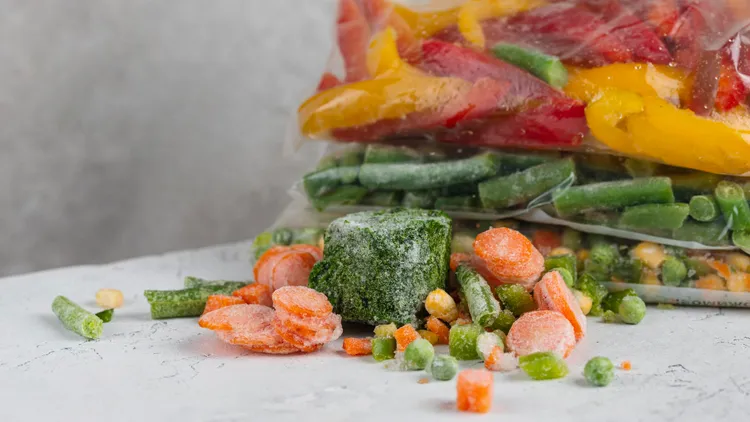
Not every garden vegetable can be eaten fresh fast enough to keep up with a productive season, and not everything is suited to root cellar storage either. Freezing fills the gap for a wide range of crops, turning a fast-growing surplus into something that lasts through winter instead of going to waste on the counter.
Why Blanching Matters
Blanching means briefly boiling a vegetable, usually thirty seconds to a few minutes depending on the type, then plunging it immediately into ice water to stop the cooking. This step deactivates enzymes that continue breaking down flavor, color, and texture even in the freezer, which is why a vegetable that's frozen without blanching often turns dull, mushy, or off-flavored after a few months compared to one that was blanched first. It's an extra step, but it's the difference between food that's genuinely enjoyable months later and food that's merely edible.
Vegetables That Need Blanching
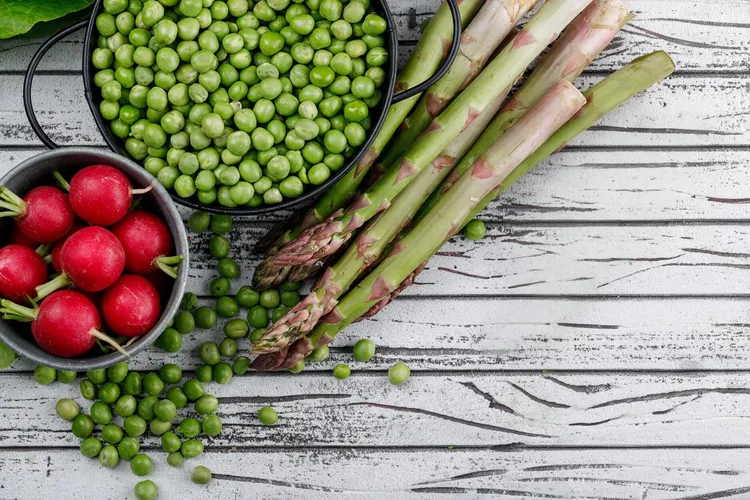
Green beans, peas, corn kernels, broccoli, and most leafy greens all benefit from a quick blanch before freezing. Timing varies by vegetable and size: green beans typically need about three minutes, peas closer to one, and corn on the cob around four to five minutes before the kernels are cut off. Working in small batches keeps the water at a rolling boil throughout, which matters more than most home cooks expect, since a big batch dropped into the pot all at once can cool the water enough to undercook everything.
Vegetables That Freeze Well Raw
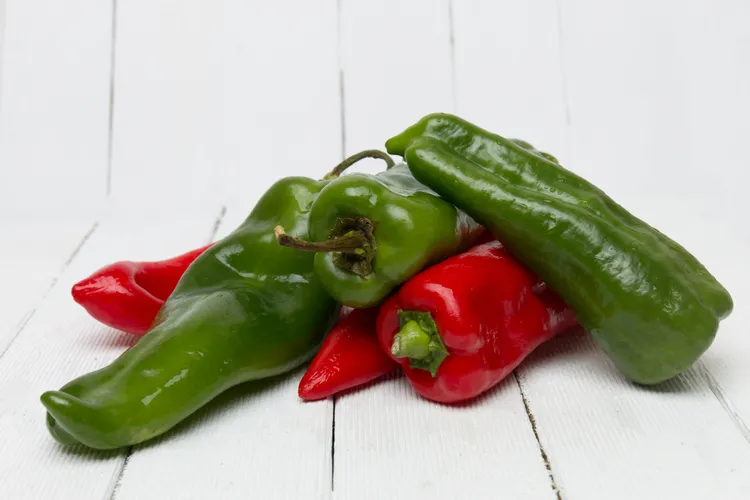
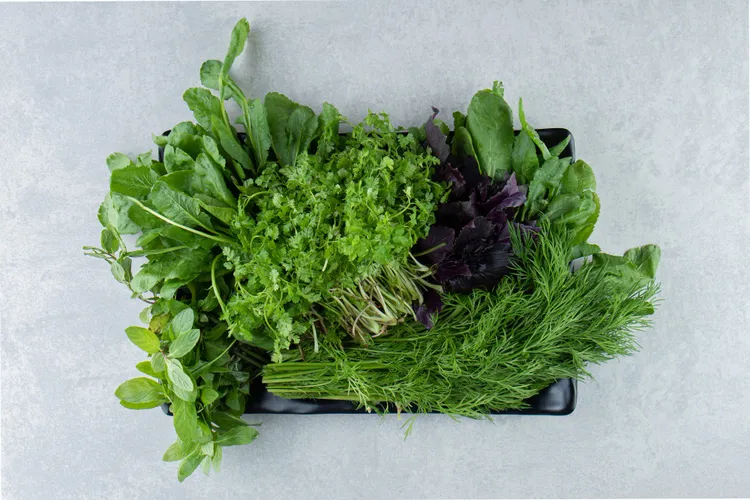
Some vegetables skip the blanching step entirely. Peppers, whether green or fully ripe, freeze fine raw, sliced or diced and spread on a tray before bagging. Shredded zucchini, squeezed of excess moisture first, also freezes reasonably well without blanching, though it's best reserved for cooked dishes afterward rather than anything meant to be crisp. Herbs, frozen in oil rather than blanched, fall into this same raw-freezing category.
The Tray-Freeze Method
For almost anything being frozen in pieces rather than as a puree or sauce, spreading the vegetable in a single layer on a baking sheet and freezing it solid before transferring to a bag keeps individual pieces from clumping into one solid block. This makes it possible to pour out just the amount needed for a single meal later, rather than thawing an entire bag at once. It takes a bit more freezer space temporarily during the initial freeze, but it pays off every time a recipe calls for a partial bag.
Packaging to Prevent Freezer Burn
Pressing as much air as possible out of a freezer bag before sealing it, or using a vacuum sealer if one is available, is the biggest factor in preventing freezer burn, the dry, grayish patches that form when air reaches frozen food directly. Labeled with the vegetable and the date, most blanched vegetables hold good quality for eight to twelve months in a standard freezer, though they remain technically safe to eat well beyond that; the main loss over time is flavor and texture rather than safety.
Sauces and Purees Freeze Differently
Rather than freezing a vegetable in pieces, some are better turned into a sauce or puree first, tomato sauce being the clearest example. Poured into flat bags and frozen lying down, sauces and purees take up less space and thaw faster than a solid block frozen in a rigid container, and portioning into meal-sized flat bags before freezing avoids the need to thaw and refreeze a large batch just to use part of it.
What Doesn't Freeze Well
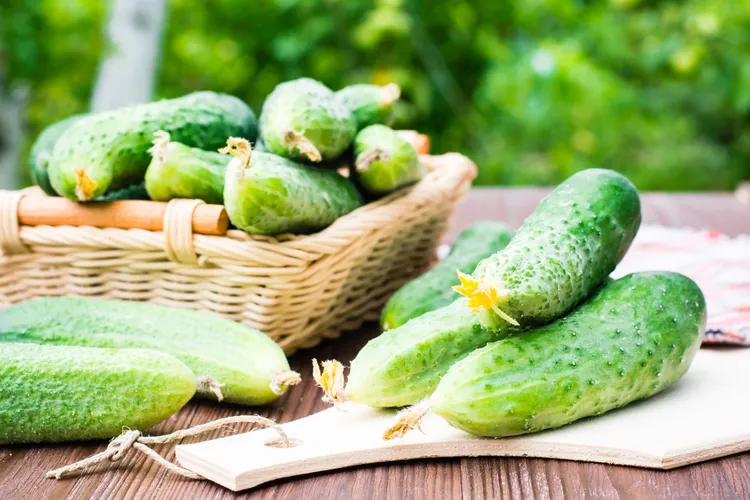
A few garden vegetables genuinely don't hold up to freezing in any raw or lightly cooked form. Cucumbers and lettuce both turn watery and limp once thawed, with none of the crispness that makes them worth eating fresh, and radishes lose their signature crunch and turn soft. These are better handled through fresh eating, pickling, or simply not preserved at all, rather than forcing a freezing method that won't produce a usable result.
A Simple Blanching Setup
Blanching doesn't require special equipment beyond a large pot, a slotted spoon or strainer basket, and a bowl of ice water kept nearby and refreshed as needed. Bringing the pot to a full rolling boil before adding vegetables, working in small batches so the water doesn't drop too far in temperature, and timing each batch from the moment the water returns to a boil, rather than from when the vegetables go in, keeps the process consistent. The ice bath should get the vegetables just as cold as they were hot, roughly the same amount of time in ice water as they spent in the boiling water, to fully stop the cooking process before draining and packing them for the freezer.
Labeling and Rotating Stock
A freezer full of unlabeled bags is a common way for a good harvest to quietly go to waste, forgotten under newer additions until it's freezer-burned beyond good use. Labeling each bag with the vegetable and the date it was frozen, and making a habit of using the oldest bags first, the same first-in-first-out approach used in a well-run pantry, keeps the stockpile actually getting eaten through the winter rather than accumulating indefinitely. A running list taped to the freezer door, updated as bags go in and out, is a simple way to keep track without having to dig through the freezer to see what's there.
Building a Realistic Freezing Habit
Freezing works best as an ongoing habit through the growing season rather than a single big processing day at the end. Blanching and freezing a bag or two of green beans or corn each time there's a modest surplus, rather than waiting for an overwhelming harvest, keeps the task manageable and spreads the effort out over weeks instead of concentrating it into one exhausting session.
How Freezing Fits the Full Season
Freezing is one of two main strategies, alongside cold storage, for carrying a garden's output into the months when nothing fresh is growing. How to Cook With What You Grow: A Season-by-Season Guide lays out how freezing and root cellar storage work together to bridge the gap between one growing season and the next.