Cooking With Garlic and Onions After Harvest: Curing and Kitchen Use
What curing means for fall-planted garlic and onions, why it matters for storage, and how to cook with them differently right after pulling versus after curing.
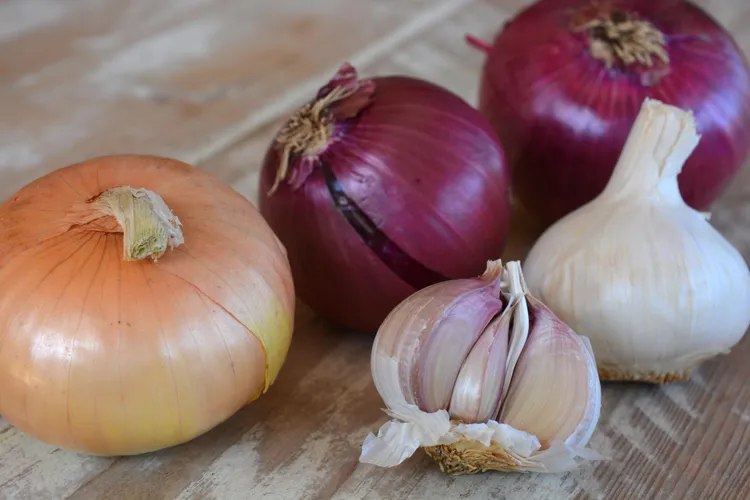
Garlic and bulb onions planted the previous fall come out of the ground in early summer, once the tops yellow and fall over on their own. What comes out of the garden at that point looks and behaves differently from what's sold in stores, and understanding why matters both for storage and for how to cook with it in the first couple of weeks.
Why Fresh-Pulled Garlic Is Different
Store-bought garlic has already been cured, meaning the papery outer skin has fully dried and the cloves have firmed up. Fresh-pulled garlic hasn't gone through that process yet: the skin is often still slightly moist, the cloves are softer, and the flavor is noticeably sharper and more pungent than what most cooks are used to. None of this is a problem, but it does mean fresh garlic behaves a little differently in a dish, cooking down faster and mellowing more dramatically than cured garlic does.
What Curing Actually Does
Curing means drying the whole bulb, stem and roots still attached, somewhere warm, airy, and out of direct sunlight for two to three weeks. During this time, the outer skin dries into the familiar papery layer, and the flavor mellows slightly and becomes more concentrated as moisture leaves the cloves. A properly cured bulb of garlic can store for several months in a cool, dry spot; an uncured one will start to soften and sprout within a few weeks if it's not used or properly dried first.
Setting Up a Curing Space
A single layer, either laid flat on a screen or hung in loose bunches, with good airflow around each bulb, works best for curing. A garage, covered porch, or well-ventilated shed out of direct sun is usually ideal; a closed, humid space encourages mold rather than drying. Bulbs are ready once the outer skins are fully papery and the necks have dried and tightened, usually two to three weeks depending on humidity and airflow.
Cooking With Garlic Before It's Cured
There's no need to wait for curing to start using some of the harvest. Fresh, uncured garlic works well in dishes where its sharper flavor is welcome, garlic and basil sautéed cherry tomatoes is a good example, cooking the garlic gently rather than at high heat, since fresh cloves can turn bitter faster than cured ones if they scorch. Using a bit less than a recipe calls for and tasting as it cooks is a reasonable approach until there's a feel for how much stronger fresh garlic is compared to what's usually used from a store-bought bulb.
Onions Follow a Similar Process
Bulb onions cure the same way as garlic, tops trimmed after a few days of initial drying, then left somewhere warm and airy for two to three weeks until the outer layers turn papery. Fresh-pulled onions, like fresh garlic, are milder in some ways and sharper in others compared to store-bought, and they don't keep nearly as long uncured, days rather than months, so using them promptly or curing them properly is the real choice to make.
Setting Some Aside to Eat Fresh
Not every bulb needs to go toward long-term storage. Setting aside a portion of the harvest to eat fresh over the following couple of weeks, before curing even starts, is a good way to enjoy the specific flavor of just-pulled garlic and onions, which is genuinely different from what's available the rest of the year from a store.
Braiding and Hanging for Storage
Soft-neck garlic varieties, the type most commonly grown in home gardens, can be braided by their dried stems into a hanging bunch once cured, which is both a practical storage method and a way to keep bulbs visibly accessible in a kitchen rather than tucked away in a bin. Hard-neck varieties, which produce a stiff central stalk, don't braid well and are better stored loose in a mesh bag or shallow basket instead. Either way, hanging or storing bulbs somewhere they get regular air exposure, rather than sealed in plastic, is what actually extends their storage life.
Saving Bulbs for Next Year's Planting
Garlic is typically propagated by replanting individual cloves rather than growing from seed, which means a portion of this year's harvest, generally the largest, healthiest-looking bulbs, is worth setting aside specifically for fall planting rather than using in the kitchen. This connects the current harvest directly to next year's, and skipping this step means buying new seed garlic each year instead of building a self-sustaining supply from a garden's own best bulbs.
Storing Cured Bulbs
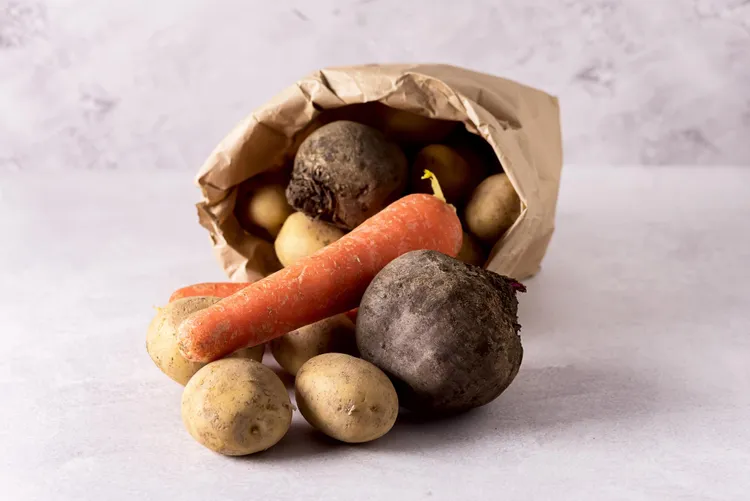
Once cured, garlic and onions keep best somewhere cool, dry, and dark, similar to root vegetables, though garlic in particular does poorly in the refrigerator, where the cold and humidity encourage sprouting. A mesh bag or open basket in a pantry, rather than a sealed container, keeps air moving around the bulbs and extends their storage life.
How Long Cured Bulbs Actually Last
Properly cured hard-neck garlic tends to store for around four to six months before quality starts noticeably declining; soft-neck varieties often last longer, sometimes eight months or more, which is part of why soft-neck garlic is the more common choice for long-term storage in home gardens. Onions vary more by variety, with sweeter, higher-moisture types like Vidalia-style onions storing for only a month or two even when cured well, while pungent, drier storage varieties can last four months or longer. Knowing which type is growing helps set realistic expectations rather than assuming every bulb will behave the same way in storage.
How This Fits the Season
Garlic and onion harvest tends to land right alongside the season's fastest herb growth in early summer, making that stretch a busy but rewarding few weeks in the kitchen. How to Cook With What You Grow: A Season-by-Season Guide covers how this timing connects to the rest of the growing calendar.