Cucumber Overload: What to Make When You Have Too Many Cucumbers
Practical ways to use a fast-producing cucumber vine, from same-day pickling to quick salads, before the harvest turns soft and bitter.
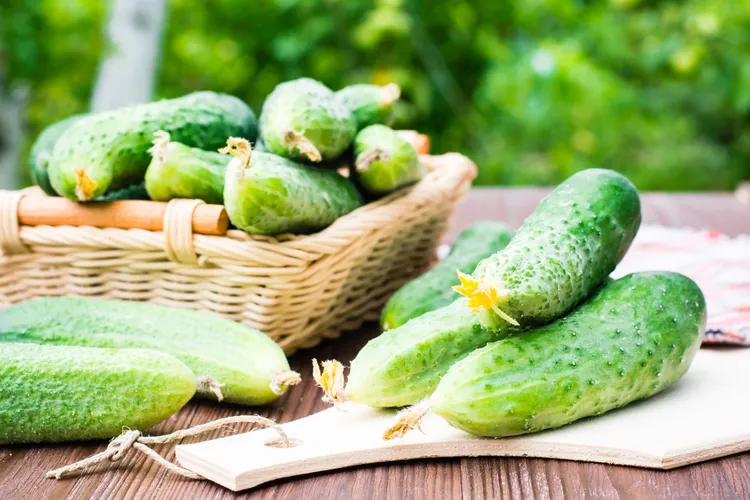
A cucumber vine on a trellis can drop several fruits in a single day once it gets going, usually right alongside the summer's zucchini. Cucumbers don't hold up as well as zucchini once picked, though, softening and losing their crunch within a few days at room temperature, which makes the plan for using them a bit more time-sensitive.
Picking at the Right Size
A cucumber left on the vine too long grows bloated, develops large, tough seeds, and turns bitter rather than crisp. Checking the vine daily during peak production and picking cucumbers on the smaller side of mature, rather than waiting for the biggest possible fruit, keeps both quality and plant productivity up, since an overgrown cucumber left on the vine signals the plant to slow down, the same way an oversized zucchini does.
Same-Day Refrigerator Pickles
A quick refrigerator pickle needs no canning equipment and is ready to eat within a few hours, which makes it one of the fastest ways to use a sudden cucumber surplus. Thinly sliced cucumbers salted for twenty minutes to draw out excess water, then combined with vinegar, a little sugar, and whatever seasoning fits, dill, garlic, mustard seed, keep well in the fridge for a week or two. This is a good habit to repeat every few days during peak cucumber season rather than saving it for one big batch.
Salting: The Step That Prevents Sogginess
Cucumbers are mostly water, and skipping the salting step before using them in a salad or pickle is the most common reason the finished dish turns watery. Salting sliced or shredded cucumber for fifteen to twenty minutes, then draining or gently pressing out the liquid, concentrates the flavor and keeps whatever dressing or brine is added afterward from getting diluted.
A Quick Cucumber and Tomato Salad
Since cucumbers and tomatoes tend to ripen around the same stretch of summer, a simple combination of both, diced and tossed with olive oil, salt, and a splash of vinegar, uses a good volume of each at once with almost no cooking. This kind of salad is best made the same day it's eaten, since both vegetables soften and release liquid the longer they sit in a dressing.
Cool Cucumber Soup for a Real Surplus
Blended with yogurt, garlic, and a bit of dill, cucumbers turn into a cold soup that can absorb a larger quantity than a salad, several cucumbers per batch rather than one or two, and keeps in the fridge for a couple of days. It's a good use for cucumbers that are still fine to eat but a bit past their prime for a crisp raw salad.
Giving the Extra Away
Like zucchini, cucumbers often outpace what a single household can realistically eat during peak season, and giving the extra to neighbors or a local food pantry is a reasonable response rather than letting them soften on the counter. Cucumbers travel and share well since they don't bruise as easily as some other summer vegetables.
Fermented Pickles for a Bigger Batch
Beyond the quick refrigerator method, a fermented pickle, cucumbers submerged in a saltwater brine and left at room temperature for several days to a week, produces a tangier, more complex result and is a good option for gardeners who end up with a genuinely large one-time harvest rather than a steady daily trickle. Fermentation also extends shelf life well beyond a quick pickle once the jars are moved to the refrigerator, often several weeks to a couple of months. It takes more patience and a bit more attention to food safety than a same-day refrigerator pickle, but it uses a larger volume in a single batch, which matters when a vine suddenly produces more than the quick-pickle method can keep up with.
Cucumber Varieties and Why It Matters
Slicing cucumbers, the kind typically eaten fresh, and pickling cucumbers, a smaller, bumpier variety bred specifically for pickling, behave a little differently in the kitchen. Pickling varieties tend to have thinner skins and fewer seeds, which is part of why they're preferred for pickling recipes, while slicing cucumbers, with their thicker skin and larger seed cavity, are generally better suited to fresh eating and salads. Knowing which type is growing in a given garden helps set expectations for which of the methods above will give the best result, though both can be used in either direction in a pinch.
What Doesn't Work: Freezing Raw
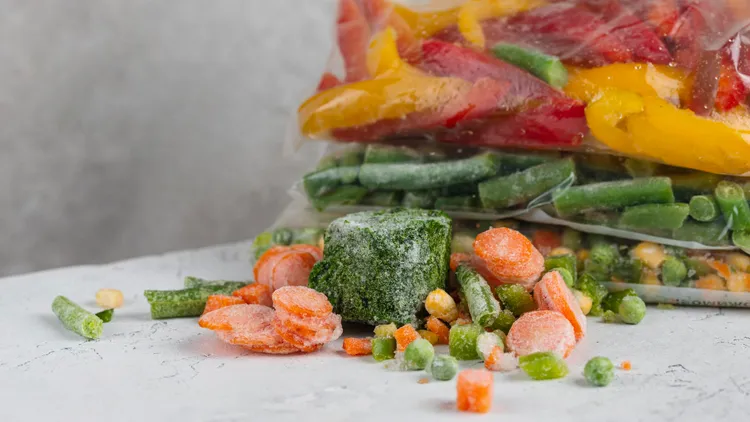
Unlike zucchini, raw cucumber doesn't freeze well in any useful form; its high water content means it turns mushy and watery once thawed, with none of the crispness that makes cucumber worth eating in the first place. The only real preservation option for extending cucumber season is pickling, whether the quick refrigerator version or a more involved canning process, rather than the freezer.
How Cucumbers Fit Into Midsummer
Cucumbers tend to overlap almost exactly with the zucchini glut, both peaking in the same few weeks of midsummer, which makes that stretch one of the busiest for using up fast-growing produce before it turns. How to Cook With What You Grow: A Season-by-Season Guide covers how this period fits alongside the rest of the season's harvest.