What to Do With Fresh Herbs Before They Bolt or Die Back
How to keep up with fast-growing herbs like basil and cilantro through the summer, plus how to freeze or dry the extra before frost ends the season.
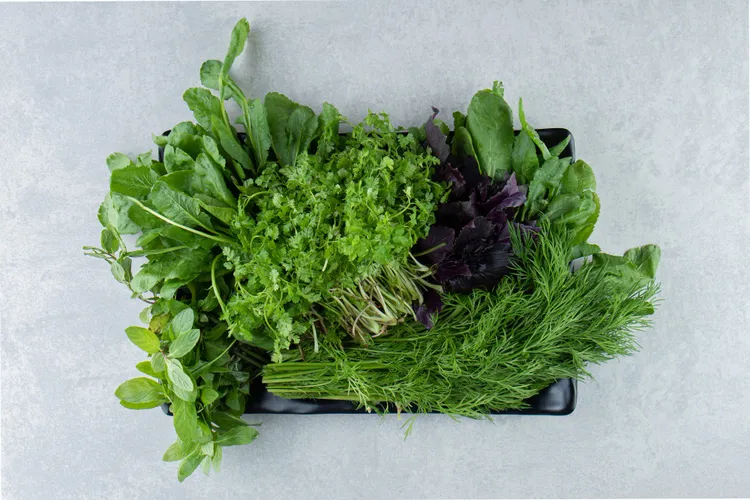
Herbs are often the fastest-growing thing in a home garden, and also the easiest to lose track of. A basil plant that looked modest in June can be producing more leaves than a household can use by July, and just as easily bolt to flower and turn bitter if it's left unharvested for a couple of weeks.
Harvest as Pruning, Not Shopping
The biggest mindset shift for keeping up with garden herbs is treating harvest as routine maintenance rather than something done only when a recipe calls for it. Cutting a third of a basil or mint plant back every one to two weeks, whether or not the kitchen needs it that day, keeps the plant from bolting and encourages it to branch out and produce even more leaves. Herbs that are left unharvested for long stretches tend to slow down or bolt, which is the opposite of what most gardeners expect from a plant that seems to be thriving.
Basil: The Fastest to Bolt
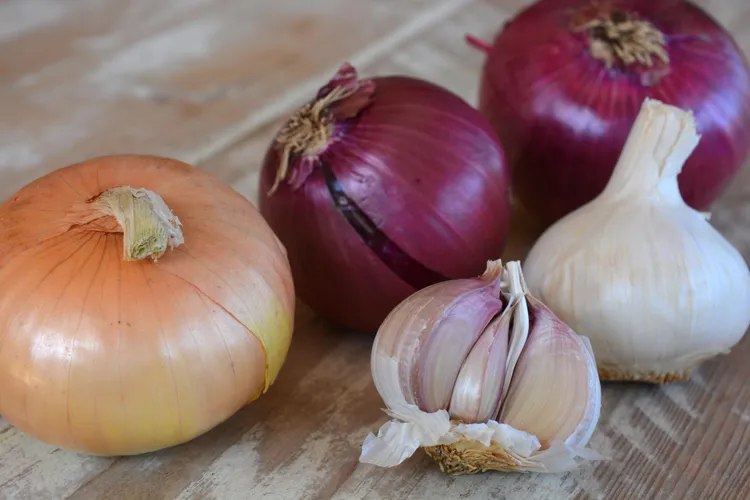
Basil bolts faster than almost any other common herb, sometimes within a week of a hot, dry stretch. Watching for flower buds forming at the top of each stem and pinching them off immediately, even before there's a specific dish planned, is the single most effective way to extend a basil plant's productive life through the whole summer. Garlic and basil sautéed cherry tomatoes is a good way to use a handful at a time without needing to plan a whole meal around it.
Cilantro: Short-Lived by Nature
Cilantro bolts faster than basil and, unlike basil, doesn't respond as well to pinching, since it's naturally a short-lived, cool-weather plant that bolts once temperatures climb regardless of how it's pruned. The practical approach is succession planting a new short row every few weeks through spring and fall rather than expecting one planting to last all summer, and using it generously while it's at its best rather than trying to stretch a single batch.
Mint: Manage the Growth, Not the Bolting
Mint's problem isn't bolting so much as sheer volume; it spreads aggressively and can quickly outgrow a garden bed if it's not contained. Regular, heavy cutting works in mint's favor rather than against it, since the plant tolerates aggressive pruning well and tends to come back thicker. A big mint harvest works well steeped into simple syrup or infused into iced tea, both of which use up quantities that would otherwise go to waste on the plant.
Freezing Herbs in Oil
Chopped herbs frozen in oil, packed into ice cube trays and topped off with olive oil before freezing, hold their flavor far better than herbs frozen dry, since the oil protects the leaves from the freezer burn that turns loose frozen herbs black and flavorless. Once frozen, the cubes pop out and store in a bag, ready to drop straight into a hot pan for cooking. This method works well for basil, thyme, rosemary, and other herbs that are typically cooked rather than used raw.
Drying Herbs for Winter
Sturdier herbs like oregano, thyme, and rosemary dry well hung in small bunches somewhere warm, dark, and well-ventilated, usually taking one to two weeks to fully dry. Softer, higher-moisture herbs like basil and cilantro don't dry as successfully this way; they tend to lose most of their flavor and turn a dull brown, which is part of why freezing in oil or as pesto works better for those specific herbs.
Other Herbs Worth Knowing About
Chives regrow quickly after cutting and rarely bolt as dramatically as basil, which makes them one of the more forgiving herbs to manage; regular snipping close to the base, rather than pulling individual leaves, encourages steady regrowth through most of the season. Dill, on the other hand, bolts almost as fast as cilantro and is similarly better suited to succession sowing than trying to stretch one planting. Parsley falls somewhere in the middle, tolerating semi-regular harvest without bolting as readily as basil, and its flat-leaf variety holds flavor slightly better than curly parsley in cooked dishes.
Tarragon, thyme, and sage, all perennial or semi-perennial depending on climate, don't follow the same fast-bolt pattern as annual herbs and can generally be harvested lightly and steadily through the growing season without the same urgency. Knowing which herbs in a garden are annual and fast-growing versus perennial and slower helps set expectations for how aggressively each one needs to be managed.
Turning a Glut Into Pesto
A big basil harvest is well suited to blending into pesto, which both uses a large volume at once and freezes well for months afterward. Made without the cheese, which can be stirred in fresh after thawing, a batch of pesto base freezes in ice cube trays the same way oil-frozen herbs do, giving pre-portioned servings ready for pasta, sandwiches, or a quick sauce all winter.
What Happens at the End of the Season
Most garden herbs, aside from perennials like rosemary and thyme, die back completely at the first hard frost. Any final harvest right before a frost warning is worth taking in full and processing the same way as a midsummer glut, since there's no second chance once the cold arrives, unlike a slow-fading vegetable plant.
How Herbs Connect to the Rest of the Garden
Herbs tend to peak alongside garlic and the first cherry tomatoes in early summer, which makes that stretch a good time to batch-process basil and other fast growers before the bigger midsummer harvest of zucchini and cucumbers arrives. How to Cook With What You Grow: A Season-by-Season Guide covers how this timing lines up with the rest of the season.