Dill Butter: A Compound Butter for Fish and Vegetables
A simple dill compound butter recipe with a log-and-freeze method for easy portioning.
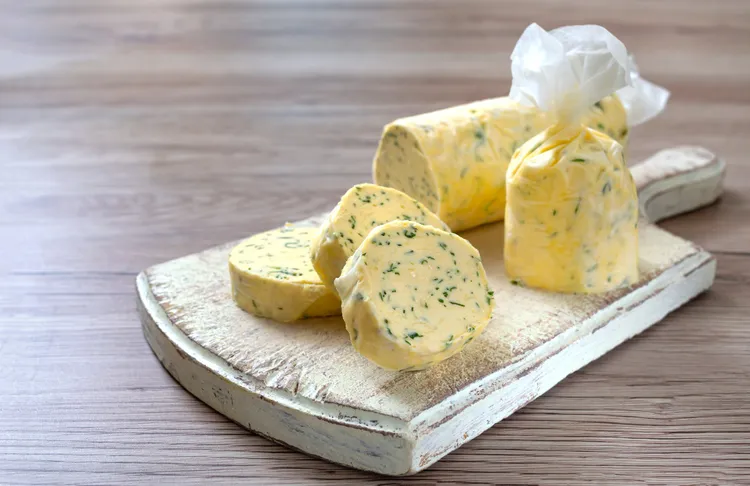
Compound butter is a small-batch way to use dill, but a genuinely convenient one, since a slice off a frozen log turns into a finished sauce the moment it melts over hot food.
Basic Recipe
Combine 1/2 cup softened unsalted butter with 2 tablespoons finely chopped fresh dill, a small squeeze of lemon juice, a small pinch of lemon zest, and salt to taste. Mash together with a fork until evenly combined.
The Log-and-Freeze Method
- Spoon the butter mixture onto a sheet of parchment or plastic wrap in a rough line
- Roll into a log about 1 to 1.5 inches thick, twisting the ends closed tightly
- Freeze flat for at least 2 hours, or until fully solid
Slice straight from frozen with a sharp knife; each round, about a quarter-inch thick, is one portion.
Storage Life
Refrigerated, dill butter keeps about 1 week before fresh flavor starts to fade. Frozen, it holds good flavor for up to 3 months.
Ways to Use It
- On fish: lay a round on hot, just-cooked salmon, trout, or white fish and let it melt into the flesh
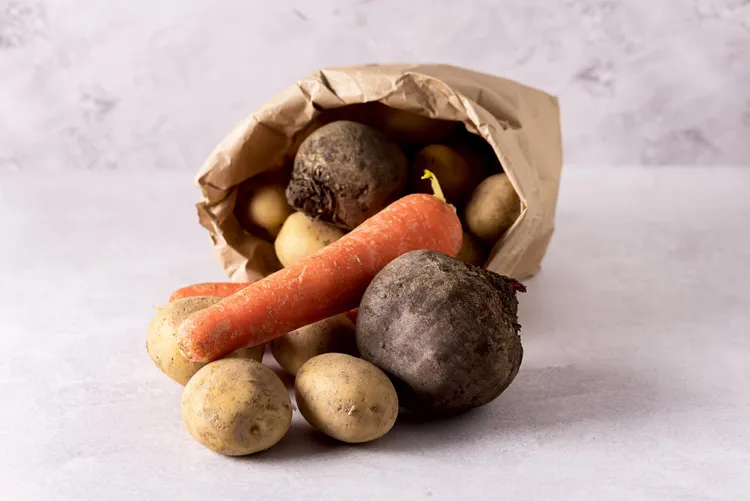
- Roasted or steamed vegetables: melt over hot potatoes, carrots, or green beans right before serving
- Corn on the cob: rub a softened piece over hot corn for a bright, herby finish
- Bread: spread on warm crusty bread as a quick alternative to plain butter
Common Mistakes
- Using wet, freshly rinsed dill. Excess moisture can make the butter slightly grainy once frozen and thawed. Pat dill fully dry before chopping.
- Slicing while still soft. Let the log firm up fully in the freezer before the first slice, or it will smear rather than cut cleanly.
- Adding too much lemon. A little goes a long way against butter's richness; start light and adjust in the next batch rather than overdoing it upfront.
Frequently Asked Questions
Can I add other ingredients to dill butter?
Yes, a small amount of grated Parmesan, capers, or a pinch of garlic all pair well with dill in a compound butter without overwhelming its flavor.
How far ahead can I make this for a specific meal?
It can be made a day or two ahead and refrigerated, or made well in advance and frozen as a log, sliced only when needed.
Can I use dried dill instead of fresh?
Fresh is strongly preferred since the butter isn't cooked and dried dill doesn't rehydrate or release flavor the same way without heat.
Choosing Salted or Unsalted Butter
Unsalted butter is the better starting point since it allows precise control over the total salt level, particularly important if the butter will be used on already-seasoned fish or vegetables. If only salted butter is available, reduce or skip the added salt in the recipe and adjust to taste at the end.
Getting an Even, Attractive Log
Roll the parchment-wrapped butter along the counter a few times with gentle, even pressure for a cleaner cylindrical shape, the same motion used for a log of cookie dough. For a more polished presentation, roll the shaped log in extra finely chopped dill or a little coarse salt just before it fully sets, pressing gently so it adheres.
Common Mistakes
- Using wet, freshly rinsed dill. Excess moisture can make the butter slightly grainy once frozen and thawed. Pat dill fully dry before chopping.
- Slicing while still soft. Let the log firm up fully in the freezer before the first slice, or it will smear rather than cut cleanly.
- Adding too much lemon. A little goes a long way against butter's richness; start light and adjust in the next batch rather than overdoing it upfront.
- Chopping dill too coarsely. Larger pieces stand out awkwardly in the finished butter and don't distribute flavor as evenly as a fine chop does.
Frequently Asked Questions
Can I add other ingredients to dill butter?
Yes, a small amount of grated Parmesan, capers, or a pinch of garlic all pair well with dill in a compound butter without overwhelming its flavor.
How far ahead can I make this for a specific meal?
It can be made a day or two ahead and refrigerated, or made well in advance and frozen as a log, sliced only when needed.
Can I use dried dill instead of fresh?
Fresh is strongly preferred since the butter isn't cooked and dried dill doesn't rehydrate or release flavor the same way without heat.
What's the best way to serve this for a dinner party?
Slice a few rounds onto a small serving dish and let them come to room temperature for a few minutes before guests arrive, so the butter is soft enough to spread easily rather than rock hard from the freezer.
Tips for Success
Use softened, not melted, butter so the log holds its shape and the dill stays evenly distributed rather than sinking. A frozen log of dill butter is easy to overlook, so noting it in an upcoming meal plan for fish night helps make sure it actually gets sliced and used rather than sitting in the freezer indefinitely.