What to Do With Fennel Stalks Too (Not Just the Fronds)
Fennel stalks are just as commonly discarded as the fronds - here's how to use them in stocks, braises, and roasting instead of throwing them away.
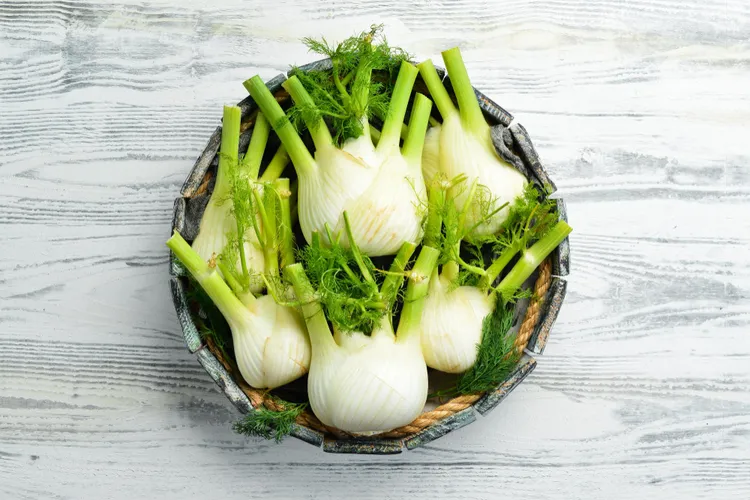
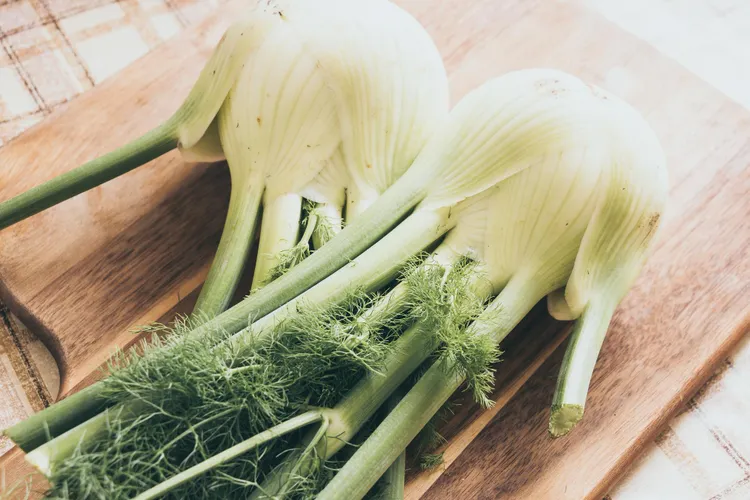
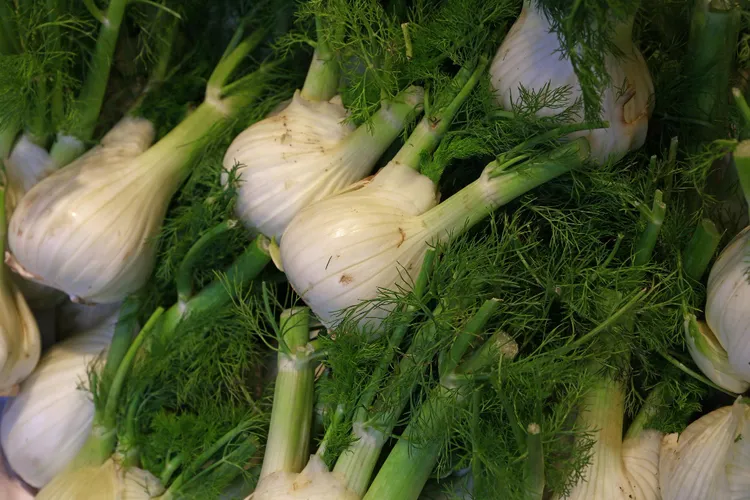
Fronds aren't the only part of a fennel bulb that usually ends up in the bin. The tough, pale green stalks connecting the fronds to the bulb get cut away and discarded just as often, even though they have genuine use, particularly as a flavoring ingredient rather than something to eat on its own.
Why Stalks Get a Different Treatment Than Fronds
Unlike the delicate fronds, fennel stalks are fibrous and tough, closer in texture to celery but even stringier. They're not pleasant to eat raw or in large pieces, which is exactly why most people cut them away and toss them without a second thought. But that same toughness is an advantage in a slow-cooked application, where the stalks have time to release their flavor without needing to become tender enough to eat directly.
Using Stalks in Stock
Fennel stalks are an excellent addition to a vegetable or chicken stock, contributing a subtle anise-sweet depth alongside the more traditional carrot, celery, and onion base. Simply add roughly chopped stalks to the stockpot along with your other vegetable scraps and simmer as usual, straining everything out at the end. This is one of the easiest ways to use stalks, since stock-making already involves simmering and straining out tough ingredients.
Using Stalks in Braises
Similar to how celery is often used as an aromatic base in a braise, fennel stalks can be roughly chopped and added early in the cooking process for a long-simmered braise, where hours of cooking breaks down their flavor into the surrounding liquid. Remove and discard the stalks (along with any other tough aromatics) before serving.
Using Stalks as a Roasting Bed
Whole or roughly chopped fennel stalks can be laid in the bottom of a roasting pan under chicken or fish, similar to how celery or lemon slices are sometimes used - the stalks lift the protein slightly off the pan, allow air to circulate underneath, and infuse a subtle flavor into any pan drippings, which can then be used for a sauce.
Using Stalks for Infusions
Fennel stalks can be steeped into simple syrups, infused oils, or even cocktails in a similar way to the fronds, though their flavor is milder and takes longer to extract due to their tougher structure. A longer steeping time, or a brief simmer, helps draw out more flavor than a quick infusion would.
What Doesn't Work Well
Stalks are not a good substitute for the fronds in any recipe where the delicate, feathery texture matters, like a salad or garnish - they're simply too tough for that role. Stick to using them where they'll be simmered, roasted, or strained out rather than eaten directly.
Storage
Fennel stalks keep about as well as the bulb itself - wrapped and refrigerated, they hold up for a week to ten days, longer than the more delicate fronds. This makes them a reasonable ingredient to set aside in the freezer if you're accumulating vegetable scraps for a future stock, similar to how you might save onion skins or carrot ends.
Between the fronds and the stalks, there's very little reason left to throw away any part of a fennel bulb beyond the very base of the root. For the full picture on using the fronds specifically, see the complete fennel fronds guide.
Latest