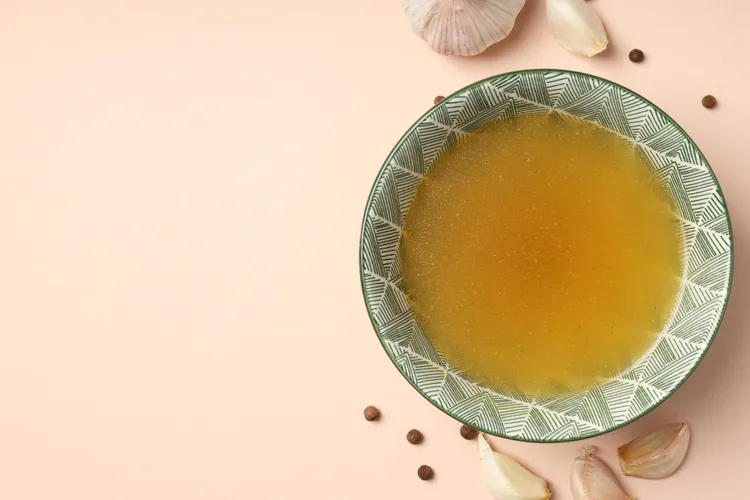
Fish Stock (Fumet): 20 Minutes to a Proper Base
Fish stock is the fastest stock you can make and the easiest to get wrong. It needs exactly 20 minutes - any longer and it turns bitter and gluey. Here is the method and a recipe for fish veloute.
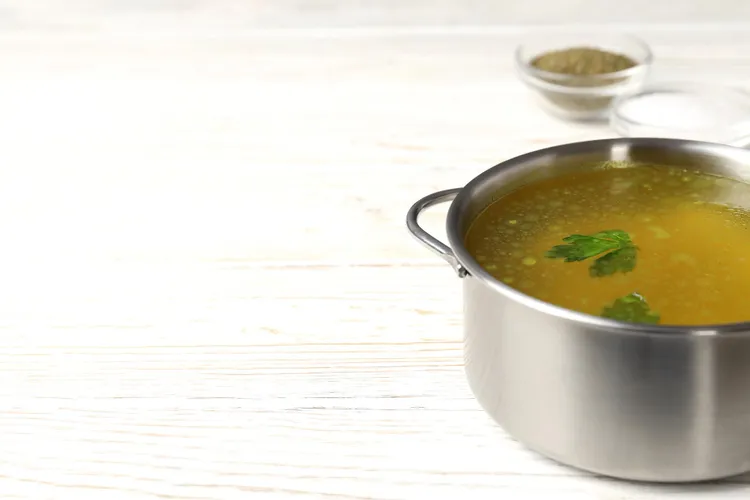
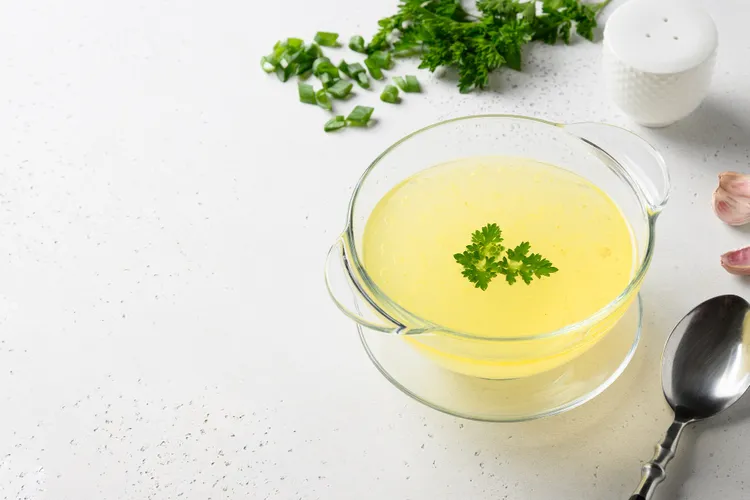
Fish stock has two rules that override everything else: use clean, fresh fish frames (the bones and heads left after filleting), and stop cooking at 20 minutes. Raw fish stock cooked for 30 minutes or more produces a bitter, glue-like liquid with an off flavour. The 20-minute window produces a clean, aromatic fumet that makes seafood bisques, chowders, and fish sauces taste genuinely professional.
The Right Bones to Use
White fish frames and heads are the correct raw material: sole, turbot, brill, cod, haddock, sea bass. Ask your fishmonger for frames on the day you plan to make the stock - freshness matters more for fish stock than for any other type. Oily fish (salmon, mackerel, sardines) produce an intensely flavoured, fatty stock that most recipes do not benefit from. Shellfish shells (prawn, lobster, crab) make a different product entirely - a bisque base rather than a fumet - with a longer cook and a different technique.
Before using, rinse the frames thoroughly under cold water and remove any dark bloodline material clinging to the spine - this contributes bitterness. For heads, remove the gills if still present.
Recipe: Classic Fish Fumet
Makes: 1 to 1.5 litres | Prep: 10 minutes | Cook: 20 minutes exactly
Ingredients
- 1kg white fish frames and/or heads, rinsed
- 1 medium onion, thinly sliced
- 1 fennel bulb, thinly sliced (or 1 extra celery stalk)
- 1 celery stalk, thinly sliced
- 2 shallots, thinly sliced
- 150ml dry white wine
- 2 bay leaves
- A small bunch of fresh flat-leaf parsley (stalks especially)
- 6 white peppercorns
- 1 litre cold water
- 1 tablespoon butter or light oil (optional, for sweating vegetables)
Instructions
- If using butter: sweat the onion, fennel, celery, and shallots in butter in the stockpot over medium-low heat for 5 minutes until softened but not coloured. This step adds sweetness and rounds out the stock - it is optional but improves the result.
- Add the fish frames, white wine, herbs, peppercorns, and cold water. Bring to a simmer over medium heat - this takes about 8 minutes.
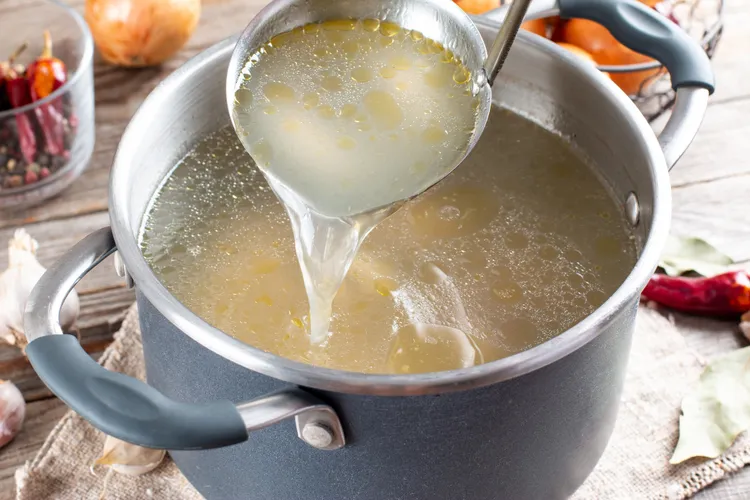
- Start the timer when the stock reaches a simmer. Skim off any white foam that rises. Simmer gently for exactly 20 minutes from this point.
- Remove from heat. Strain immediately through a fine-mesh sieve lined with muslin or a coffee filter for maximum clarity. Do not press the solids. Discard everything in the sieve.
- Use immediately, or cool quickly and refrigerate for up to 2 days. Fish stock does not freeze as well as chicken or beef - the flavour deteriorates more noticeably. If freezing, use within 1 month.
Why 20 Minutes
The collagen in fish bones is much more fragile than in meat bones. At 20 minutes it has extracted cleanly into the water, giving the fumet its body. Beyond 20 minutes, the dissolved proteins and fats begin to break down further and produce compounds with bitter, unpleasant flavours. The same bones that produce a clean fumet at 20 minutes produce an unusable liquid at 40. Set a timer and pull the pot from the heat when it goes off regardless of how it looks or smells.
Recipe: Quick Fish Veloute
A fish veloute is a classic French sauce made by thickening fish stock with a white roux. It is the base for cream sauces for fish and shellfish and takes about 10 minutes once the stock is made.
Makes: approximately 400ml | Cook: 10 minutes
Ingredients
- 30g unsalted butter
- 30g plain flour
- 500ml warm fish fumet
- Salt and white pepper
Instructions
- Melt butter in a medium saucepan over medium heat. Add flour and stir constantly for 2 minutes to cook out the raw flour flavour - this is a blonde roux. See the roux guide for detail on cooking times and consistency.
- Add the warm fish fumet gradually, whisking constantly to prevent lumps. Add in three or four additions rather than all at once.
- Bring to a simmer, whisking. Cook for 5 minutes until the sauce is smooth, glossy, and lightly thickened. Season with salt and white pepper.
- For a cream sauce: stir in 100ml of double cream and a squeeze of lemon juice. Serve immediately over poached or steamed fish.
Uses for Fish Stock
As the cooking liquid for foil-baked salmon instead of water - poured into the foil parcel before sealing, it produces a more flavourful, gently poached result. In seafood risotto in place of vegetable or chicken stock. As the base for clam chowder, bouillabaisse, or any fish soup. For the complete guide to stock types and technique, see the complete stocks and broths guide.
Nutrition (per 250ml, unsalted)
- Calories: approximately 20 to 30 kcal
- Protein: 4 to 5g
- Fat: 0.5g
- Carbs: 1g
Shellfish Stock: A Different Animal
Prawn, lobster, and crab shells produce a stock technically distinct from fish fumet. Where fish fumet needs only 20 minutes, shellfish stock benefits from longer cooking - 30 to 45 minutes - and a more vigorous approach. Roast or saute the shells in a little oil first to develop flavour through the Maillard reaction (the same principle as roasting beef bones). Add aromatics, white wine, and water. Simmer for 30 to 40 minutes. The result is an intensely flavoured, orange-pink bisque base rather than the delicate fumet produced from white fish frames.
The simplest way to make shellfish stock at home: save the shells from any prawn or lobster meal in a sealed bag in the freezer. When you have enough (usually 200 to 300g), saute them in a little butter until pink and fragrant, add cold water and aromatics, simmer for 35 minutes, and strain. This provides the base for a quick bisque or seafood risotto that tastes far more complex than anything achievable with water. For the complete guide to all stock types and their applications, see the complete stocks and broths guide.
Getting Fish Frames from a Fishmonger
Fresh fish frames are not always displayed in the shop counter - you need to ask. Most fishmongers who fillet fish in-house have frames available, often for free or for a very small cost, because they would otherwise go in the bin. Call ahead and ask if they have frames available on the day you plan to cook. The best frames come from sole, turbot, brill, sea bass, and cod - white, mild fish with clean-tasting bones. Ask specifically for whole-fish shops or markets rather than supermarket fish counters, which typically receive pre-filleted fish and have no frames available.
If frames are not available, fish collars (the section behind the head including the collar bone and some neck meat) are an alternative. Salmon frames, despite being oily fish, produce a pleasant stock if you plan to use it specifically with salmon-based dishes - the richness matches. Do not use frames from mackerel, sardine, or herring in a general-purpose fumet. For storage guidance for fish stock alongside other stock types, see the stock storage guide. For the complete stock-making overview, see the complete stocks and broths guide.
Fish Stock in Everyday Cooking
Fish fumet's most immediate home application is as the cooking medium for fish dishes that otherwise use water or white wine alone. Poaching a piece of fish in fish stock rather than water produces a more flavourful result with the same gentle cooking method. Adding a splash of fish stock to a cream sauce for pan-fried fish turns a simple butter sauce into something more interesting. Fish risotto made with fish stock instead of vegetable stock has a proper seafood identity rather than a generic rice dish with fish pieces in it.
Beyond these obvious applications, fish stock works in: a quick bisque (prawn or lobster shells sauteed in butter, deglazed with brandy, add fish stock and cream, blend and strain - 20 minutes total). A miso soup variant using fish stock instead of dashi where dashi ingredients are unavailable. As the poaching liquid for foil-baked salmon - poured into the foil parcel before sealing, it creates a gentle, flavoured steaming environment. For the complete framework on stock types, see the complete stocks and broths guide. For storage of fish stock specifically, the stock storage guide covers the shorter shelf life of fish stock relative to meat stocks.
Nutrition (per 250ml, unsalted fumet)
- Calories: approximately 20 to 30 kcal
- Protein: 4 to 5g
- Fat: 0.5g
- Carbs: 1g
Planning a Fish Fumet Session
Because fish fumet must use very fresh frames and is ideally used within 2 days of making, it suits a planned fish cooking session rather than routine batch cooking. When planning a meal that uses fish stock - a seafood risotto, a fish soup, or a cream sauce for fish - call the fishmonger 24 to 48 hours ahead and request frames. Make the fumet on the day of cooking, or the day before. The 20-minute cook time means it can be made while other components of the dish are being prepared.
For households that cook fish once a week, making a small batch of fumet (from a single set of frames, producing 700ml to 1 litre) is practical. For less frequent fish cooking, the pressure of using fresh frames within 2 days may not fit the schedule - in this case, a very good-quality commercial fish stock is an acceptable substitute for the occasions when timing does not allow for making fresh fumet. The gap between commercial and homemade is smaller for fish stock than for chicken or beef stock because the short cooking time means the commercial product is less of a compromise. For the full context on when homemade stock makes the most difference, see the complete stocks and broths guide.
Troubleshooting Common Fumet Problems
Bitter or gluey stock: cooked past 20 minutes. This is the most common fish fumet problem and the most straightforward to prevent. Set a timer the moment the stock reaches a simmer and pull from the heat when it goes off. No exceptions. The quality difference between 20 minutes and 25 minutes is noticeable; between 20 minutes and 30 minutes the stock is unusable for delicate applications. Weak, watery fumet: too little fish per volume of water, or the bones were very thin and low in gelatin. Use more frames next time and ensure you are using genuine frames (the spine and rib cage from a white fish) rather than just offcuts. Cloudy fumet: the liquid boiled rather than simmered, or the sieve was not fine enough. Cloudiness does not affect flavour significantly for most applications.
If you have made fumet that is slightly over-cooked (bitter but not aggressively so), the bitterness diminishes significantly when the fumet is diluted with cream, or when it is the base for a rich bisque rather than a delicate clear broth. Reduce the quantity used relative to other liquids and compensate with good seasoning. For the full guide to stock types including those that benefit from much longer cooking, see the complete stocks and broths guide. For storage of fish fumet, see the stock storage guide.
Summary
Fish fumet is the shortest stock in the kitchen and the one with the narrowest margin for error. Fresh frames, 20 minutes, gentle heat, immediate straining. Those four rules produce a clean, aromatic liquid that transforms fish and seafood dishes. Break any of them - old frames, 30 minutes, a full boil, pressing the solids - and the result is unusable. The technique is not difficult once these rules are internalised. For applications of fish fumet in specific recipes, see foil-baked salmon with asparagus. For the complete guide to all stock and broth types, see the complete stocks and broths guide.
Fish fumet made correctly is one of the most useful stocks in a home kitchen despite being the least well known. Its applications in seafood cooking are direct and immediate, and the 20-minute production time makes it feasible to produce on the same day it is needed rather than requiring advance planning. Any household that cooks fish weekly has access to frames - the request to a fishmonger takes 30 seconds and the frames themselves cost almost nothing. The quality return on those 30 seconds and the 25 minutes of cooking and straining is significant.
Latest