10 Ways to Use Homemade Stock Beyond Soup
Most home cooks use stock for soup and risotto and stop there. Here are 10 applications that make homemade stock worth having in the freezer every week.
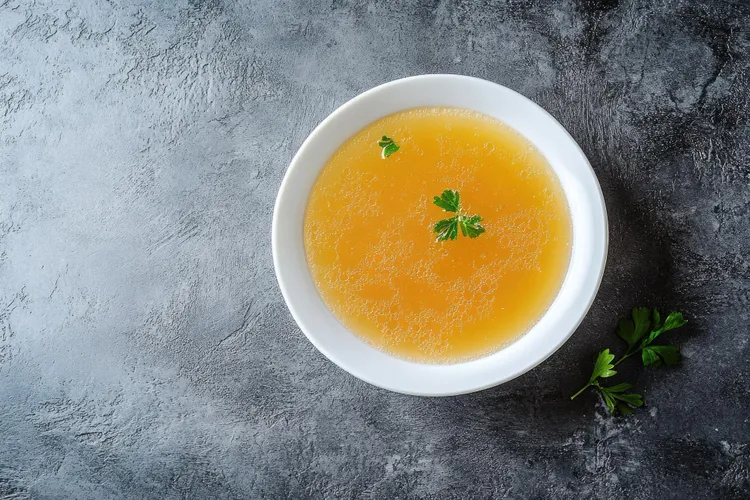
Soup is the obvious use. Risotto is the other one most people know. But a freezer full of good homemade stock justifies its existence through the dozens of small cooking decisions it enables throughout the week - the ones that determine whether a weeknight meal tastes like something from a good restaurant or something from a tin.
1. Cook Grains in Stock Instead of Water
Replace the water in any grain recipe with the same volume of stock. Rice cooked in chicken stock takes on flavour throughout each grain rather than just on the surface. Quinoa cooked in vegetable stock is considerably more interesting than quinoa cooked in water. Pearl barley, farro, and freekeh all benefit from the same swap. No additional seasoning needed if the stock is well-flavoured. This is the simplest, highest-return use of stock in everyday cooking and requires no technique change at all.
2. Deglaze Pans for Quick Sauces
After cooking any piece of meat in a pan, pour off excess fat and deglaze with 100 to 200ml of stock. Scrape the caramelised residue from the bottom of the pan while the liquid reduces. In 2 to 3 minutes you have a flavourful sauce that costs nothing extra and would otherwise be washed down the sink. After cooking balsamic chicken and mushrooms, deglaze with chicken stock and reduce by half for a clean, glossy sauce. The full technique is in the stock to sauce guide.
3. Braise Vegetables
Braised vegetables cooked in stock rather than water develop a depth of flavour that roasting does not always achieve. Braised leeks in chicken stock with a little butter and thyme. Braised fennel in vegetable stock with white wine and lemon. Braised celery hearts in beef stock with shallots. The stock provides flavour and the braising liquid becomes a sauce in its own right. This technique works particularly well for vegetables that are slightly past their best - the braising liquid compensates for what they have lost.
4. Poach Proteins Gently
Chicken, fish, and eggs all poach better in lightly seasoned stock than in plain water. Poaching chicken breasts in simmering chicken stock with a few aromatics (bay, peppercorn, thyme) produces the most reliably moist cooked chicken with the least effort. The poaching liquid becomes a light broth. The same approach works for salmon - a splash of fish stock in the foil parcel produces a more flavourful result than water alone.
5. Enrich Mashed Potato
Replace the milk in mashed potato with an equal volume of warm chicken or vegetable stock. The mash has more flavour with less fat and the texture is equally smooth. Add butter as usual for richness, but let the stock provide the savoury depth that most mash recipes achieve through large quantities of cream.
6. Make Proper Gravy Without a Roast
Good gravy requires good stock. A reduction of chicken or beef stock with a little roasting juice (or a tablespoon of butter and some thyme instead) produces a weeknight gravy that bears no resemblance to granule-based versions. Reduce 500ml of stock by half, whisk in a flour-butter mixture for body if needed, season. This is the gravy for a quick weeknight meal - better than anything from a packet in under 10 minutes.
7. Finish Pasta Sauces
A ladleful of chicken stock added to a pasta sauce in the last 2 minutes of cooking adds body and depth without making the sauce liquid. It also helps the sauce emulsify with pasta water when you finish the pasta in the sauce rather than draining separately. Any tomato or cream-based pasta sauce benefits from a splash of stock - it is what differentiates homemade pasta sauce from jarred.
8. Steam Vegetables Over Stock
Instead of steaming vegetables over plain water, use stock in the steamer base. The steam carries flavour compounds from the stock into the vegetables as they cook. Particularly effective for delicate vegetables like asparagus, fine green beans, and broccolini - the aromatic steam permeates the vegetables and they taste more interesting without any additional seasoning.
9. Fortify Lentils and Pulses
Cooking dried lentils or beans in stock instead of water produces a significantly more flavourful result and reduces the need for salt and seasoning. Brown lentils cooked in chicken stock with a bay leaf and onion become a complete side dish with no further work. Red lentils cooked in vegetable stock provide the liquid base for a dal that already has depth before the spices are added. The stock becomes part of the dish.
10. Make a Sipping Broth for Between Meals
Season bone broth with salt, a slice of fresh ginger, and a few drops of soy sauce. Heat and drink from a mug. At 35 to 50 kcal per 250ml with 8 to 12g of protein, it provides a warm, savoury, satisfying drink between meals that requires no preparation once the broth is made and frozen. More interesting than black coffee, more nourishing than tea, lower in calories than any snack. Track how bone broth fits your daily targets with Consillar's nutrition calculators. For the full guide to making stock and bone broth at home, see the complete stocks and broths guide.
Stock as the Foundation of Better Cooking
The reason professional kitchens produce consistently better food than most home kitchens is not technique alone - it is the quality of their liquid foundations. Every sauce, soup, braise, and cooking liquid in a professional kitchen starts from scratch. These ten applications are the home cook's version of that same principle: using homemade stock in more places, more often, and making everything taste better as a result.
Building a Stock Habit
The ten applications above are all low-effort entry points. The transition from occasional stock use to regular stock use happens when stock is always available in the freezer rather than something you make for a specific recipe. Once there is always a bag of chicken stock cubes and a few 500ml containers of stock in the freezer, the habit of using stock instead of water in daily cooking becomes automatic.
The practical setup: after any roast chicken, the carcass goes in the pot that evening. A batch of stock is made every 2 to 3 weeks depending on consumption. The ice cube tray method ensures small portions are always available for pan sauces and finishing without thawing a full container. Over a year of this practice, the quality of everyday cooking improves in ways that are difficult to attribute to any single change - because the stock is working invisibly in grains, vegetables, sauces, and soups throughout the week. Use Consillar's weekly meal prep planner to build stock-based cooking into your weekly routine, and Consillar's nutrition calculators to track how stock use affects your daily intake.
Stock in Specific Recipes on CookThisMuch
These ten applications translate immediately into the CookThisMuch recipe library. The Greek-style chicken soup starts from scratch with chicken in water - substituting 1.5 litres of homemade chicken stock for the water and adjusting salt accordingly produces a noticeably better result. The kale and tomato soup benefits from a vegetable stock base that turns the broth from simple to complex. For any soup or braise on the site, the rule is consistent: replace the water or commercial stock with the same volume of homemade stock, reduce the added salt by two-thirds, and taste to finish.
For fish-based dishes like foil-baked salmon, a splash of fish fumet in the foil parcel rather than water creates a much more flavourful steaming environment. For the balsamic chicken recipe, deglazing the finished pan with chicken stock rather than water captures all the caramelised bits and turns a one-pan meal into a meal with a proper sauce. The applications are specific and immediate once the stock is in the freezer. Building stock production into your weekly routine through Consillar's meal prep planner creates the habit that makes all of these improvements automatic rather than effortful.
Stock Use by Calorie Target
For people tracking calories and macros, homemade stock is one of the most useful ingredients because it adds depth to low-calorie preparations without adding significant calories of its own. A 250ml bowl of chicken soup made from homemade stock with a small amount of vegetable and chicken can come in at 150 to 200 kcal with 20 to 25g of protein - a satisfying, complete meal. The same volume of water-based soup tastes flat and is less satisfying despite having fewer calories. Stock makes low-calorie cooking feel like proper food.
Applications ranked by calorie impact: cooking grains in stock (adds approximately 5 to 10 kcal per serving from stock dissolved into grain), steaming vegetables over stock (negligible), deglazing for pan sauces (adds 20 to 40 kcal per serving), soup base (adds 30 to 50 kcal per 250ml serving from stock itself), sipping broth (35 to 50 kcal per 250ml serving). The pan sauce applications are higher because they involve reducing the stock significantly and potentially adding butter as enrichment. For macro-precise cooking using homemade stock, use Consillar's nutrition calculators to track stock contribution accurately. For the complete guide to making all stock types, see the complete stocks and broths guide.
The Long-Term Impact of a Stock Habit
The cumulative effect of cooking with homemade stock consistently for a year is difficult to describe without experiencing it. Dishes that previously seemed to need a lot of seasoning and fat to taste good become more flavourful with less of both, because the stock provides the depth that was previously missing. A simple soup that used to need cream, extra salt, and significant seasoning to be satisfying is improved by nothing more than replacing the water with stock. The improvement is not dramatic in any single dish - it is cumulative and gradual, and after several months of the habit it becomes difficult to remember cooking without it.
The practical case is just as strong as the culinary one. A household that makes stock from every roast chicken is using bones that would otherwise be discarded to produce an ingredient that costs several pounds per litre to buy commercially. Over a year of 25 to 30 weekly cooking sessions that each benefit from stock, the value of having that ingredient available consistently is substantial. The investment is 20 minutes of occasional attention. The return is better food every week. For all the production methods covered in this series, see the complete stocks and broths guide which links to every individual stock type and technique covered here.
Stock as a Substitute for Salt and Fat
One of the less obvious benefits of cooking with good unsalted stock is that it reduces the need for added salt and fat in dishes. A soup made with water typically needs significant salt to taste satisfying - the salt is doing the work that flavour should do. The same soup made with good chicken or vegetable stock needs far less added salt to reach the same palatability, because the glutamates and other savoury compounds in the stock are providing depth that reads as flavour rather than saltiness.
The same principle applies to fat. A risotto made with water needs more butter stirred in at the end to achieve the creamy, satisfying texture that good risotto has. Made with stock, the gelatin in the stock contributes body and richness that reduces the butter needed. A braise made with water needs more fat in the initial sear and more finishing enrichment to taste satisfying. Made with stock, the dish already has depth before any fat is added. For cooks tracking sodium, fat, or calories, this substitution effect means that cooking with stock is not just a qualitative improvement but a practical one. Use Consillar's nutrition calculators to see the precise difference in sodium and fat across dishes made with water versus homemade stock. For the complete guide to all stock types and how to make them, see the complete stocks and broths guide.
The ten applications above are not an exhaustive list - they are the ten most immediate entry points. Every week of cooking with good homemade stock reveals new ones. For the complete production guide covering all stock types, see the complete stocks and broths guide.
Latest